Modern Kimono Styling for Weddings, Galas, and Cocktail Parties
The Renaissance of Kimono in Modern Formalwear
The traditional Japanese kimono is experiencing a profound renaissance on the global stage. No longer confined strictly to domestic tea ceremonies or coming-of-age rituals, these exquisite garments are increasingly being styled for modern Western formal events, including black-tie galas, international weddings, and high-profile cocktail receptions. According to the Victoria and Albert Museum, the kimono has historically been a dynamic garment, constantly evolving through cross-cultural exchanges. Today, fashion-forward individuals and cultural enthusiasts are embracing the kimono as a sustainable, deeply meaningful alternative to conventional Western evening gowns and suits.
However, navigating the strict sartorial rules of Japanese formalwear while adhering to Western dress codes requires a nuanced understanding of fabric, crests, and styling. This comprehensive guide provides actionable advice on selecting, sizing, and styling traditional Japanese garments for modern occasions, ensuring you make a culturally respectful and breathtakingly elegant entrance.
Decoding Western Dress Codes Through Japanese Silk
Translating Western dress codes into the language of Japanese kimono formality relies heavily on the garment's pattern placement, the presence of kamon (family crests), and the type of silk used. Here is how to match your kimono to the invitation in your hand.
Black Tie and White Tie Galas
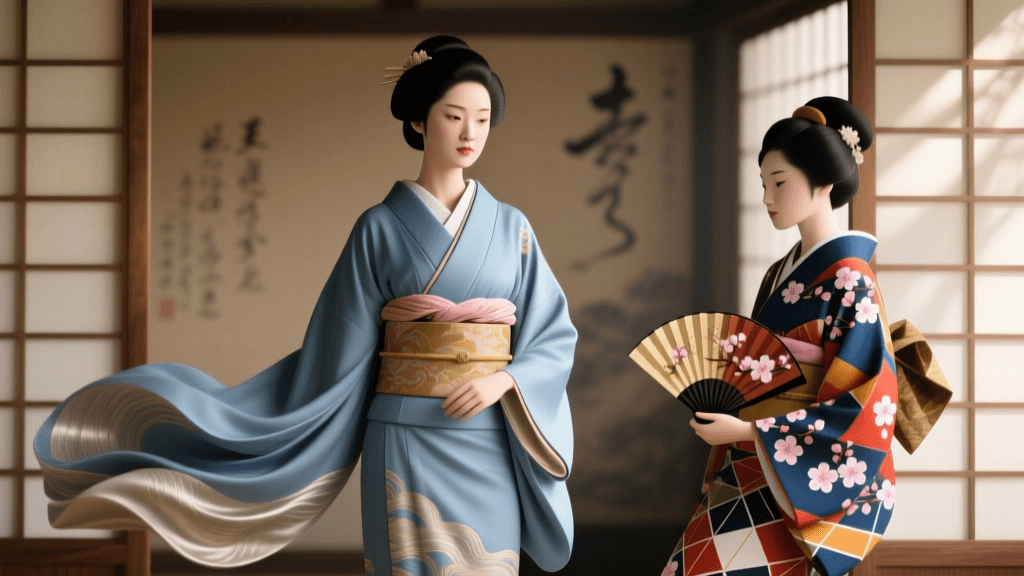
For the most formal evening events, the equivalent of a Western ballgown is the Kurotomesode (for married women) or the Furisode (for unmarried women). The Kurotomesode is a black silk kimono featuring five kamon crests and elaborate, auspicious patterns dyed exclusively below the waistline. For unmarried women, the Furisode features dramatically long, swinging sleeves (often measuring 100cm to 114cm in length) and vibrant, all-over patterns. Both should be paired with a Fukuro obi (a formal, double-woven sash) featuring metallic gold or silver threads (kinran) that catch the ambient light of a gala venue.
Cocktail Attire and Evening Receptions
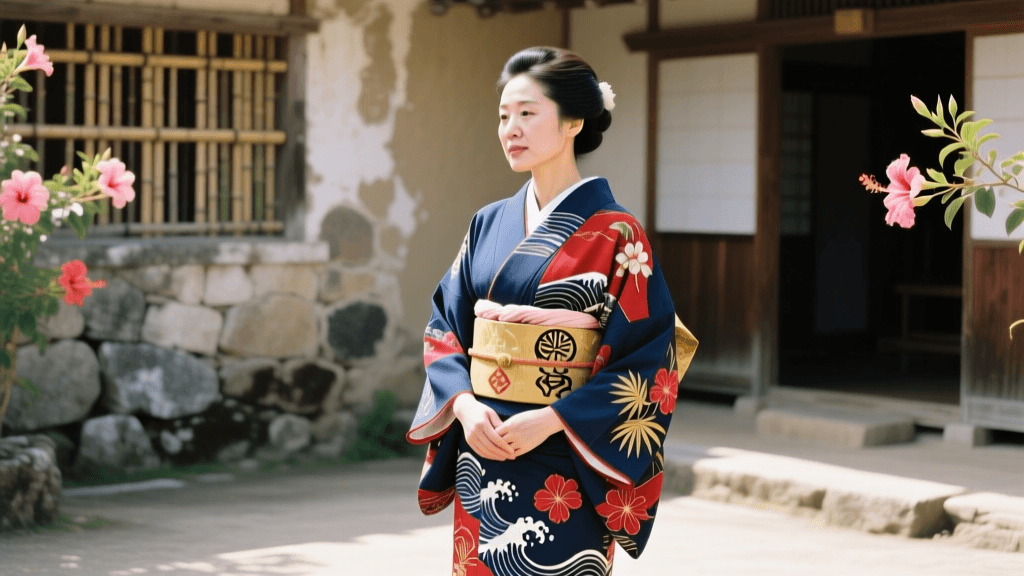
If the invitation specifies cocktail attire or semi-formal evening wear, the Houmongi (visiting wear) or Tsukesage are your ideal choices. The Houmongi features continuous patterns that flow seamlessly over the seams of the shoulders and sleeves, creating a unified, painterly effect. The Tsukesage is slightly more subdued, with patterns that do not cross the seams. These garments are perfect for wedding receptions, gallery openings, and upscale dinners. They offer a sophisticated silhouette without the strict solemnity of the black Kurotomesode.
Daytime Weddings and Garden Parties
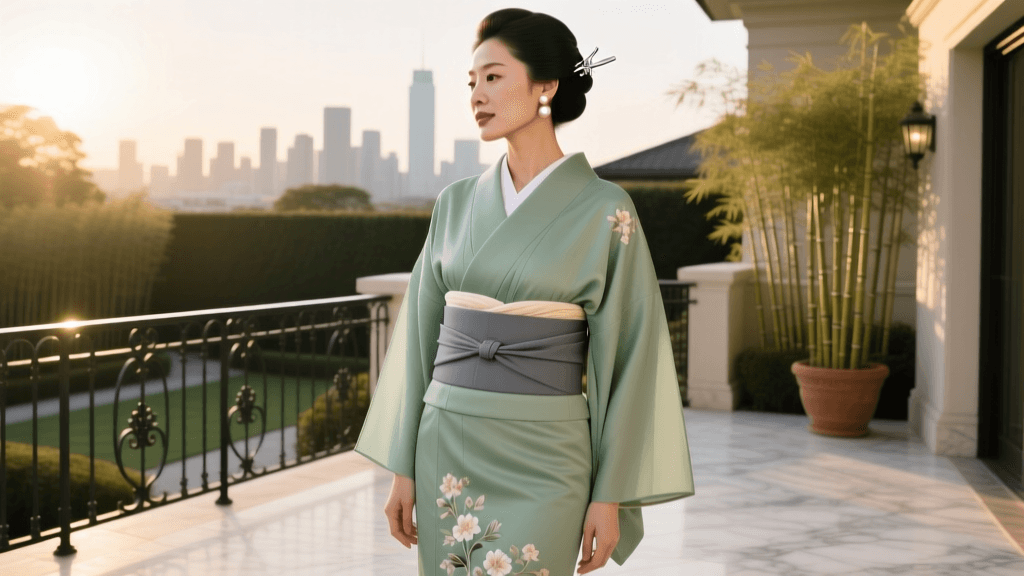
For daytime events, garden parties, or smart-casular corporate gatherings, the Iromuji (solid-colored silk) or Edo Komon are exceptional choices. The Iromuji is a single, unpatterned color (excluding black, which is reserved for mourning) and can be elevated to formal wear if adorned with one to three crests. The Edo Komon features micro-patterns so incredibly fine that the kimono appears solid from a distance, only revealing its intricate geometric or nature-inspired motifs upon close inspection. As noted by Japan Guide, these subtle garments project an air of refined, understated luxury perfect for daylight hours.
Practical Guide: Measurements, Costs, and Timing
Wearing a kimono is an architectural endeavor. Unlike Western garments that are tailored to hug the body's contours, a kimono is constructed from straight panels of fabric known as tanmono, which typically measure 36cm to 38cm in width. The fit is adjusted entirely through the dressing process (kitsuke).
Sizing and the Ohashori
The most critical measurement in modern kimono styling is the mitake (the finished length of the kimono). To calculate your ideal mitake, subtract approximately 30cm from your total height. This allowance creates the ohashori—the essential horizontal fold at the waist that allows the hem to fall perfectly at the ankle while accommodating different torso lengths. If you are purchasing a vintage kimono, ensure the back length (semitake) is at least 130cm to allow for a proper ohashori for an average height of 160cm.
Cost and Timing Breakdown
Whether you are renting in Kyoto or purchasing a vintage piece in Tokyo, planning ahead is vital. For formal events, you must book your kimono and professional dresser well in advance, especially during peak wedding seasons (May-June and September-October).
| Western Dress Code | Kimono Equivalent | Target Demographic | Estimated Rental Cost (USD) | Booking Lead Time |
|---|---|---|---|---|
| White Tie / Black Tie | Kurotomesode / Furisode | Married / Unmarried Women | $150 - $400 | 3 - 6 Months |
| Cocktail / Semi-Formal | Houmongi / Tsukesage | All Women | $100 - $250 | 2 - 3 Months |
| Smart Casual / Daytime | Iromuji / Edo Komon | All Women | $70 - $150 | 1 - 2 Months |
| Summer Casual | Yukata (Cotton) | All Genders | $30 - $60 | Walk-in / 1 Week |
Note: Professional dressing services (kitsuke) and hair styling usually cost an additional $70 to $120 USD and must be booked concurrently with your garment rental.
Essential Accessories for a Modern Fusion Look
The kimono itself is only the canvas; the accessories provide the context and modern flair. To successfully bridge traditional Japanese aesthetics with modern Western venues, pay close attention to the following elements:
- The Obi (Sash): For formal galas, a Fukuro obi is mandatory. However, for modern cocktail parties, some stylists opt for a high-end Nagoya obi tied in a sophisticated taiko musubi (drum knot) to reduce bulk under tailored evening coats or capes.
- Obijime and Obidome: The obijime is the decorative cord tied over the obi. For a modern twist, swap traditional woven silk cords for vintage beaded cords or incorporate an obidome (a decorative clasp) featuring Art Deco or contemporary jewelry elements.
- Footwear (Zori vs. Heels): Traditionally, formal kimono requires zori (straw or brocade sandals) worn with white split-toe tabi socks. However, a growing trend in modern street-style and avant-garde formalwear involves pairing kimono with Western stilettos or velvet ankle boots. If attending a strict, traditional, or conservative formal event, adhere to the brocade zori. If the event is a fashion-forward gala or creative cocktail party, sleek, closed-toe Western heels can create a stunning, elongated silhouette.
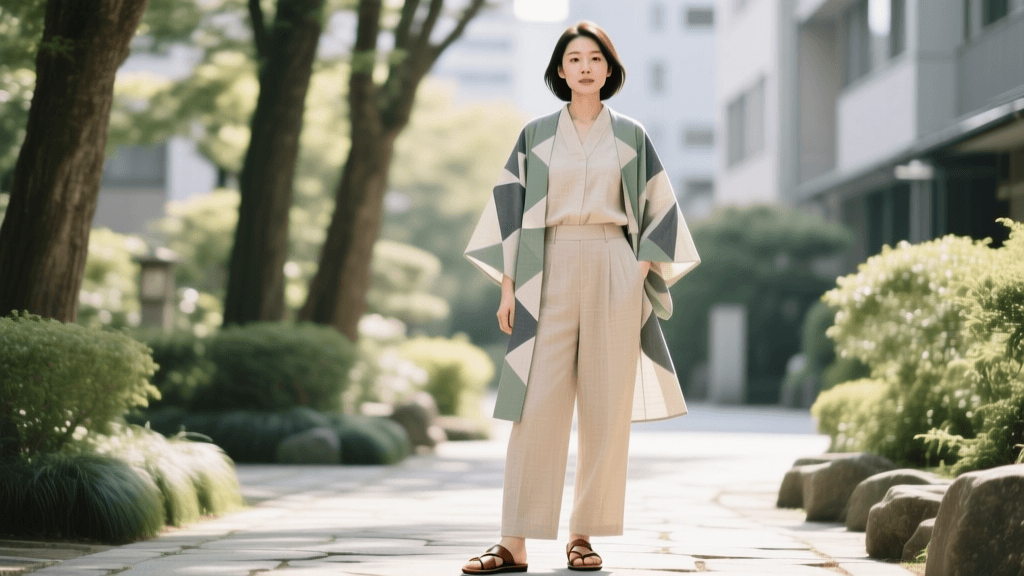
- The Haori (Jacket): For winter galas, a silk haori worn over the kimono provides warmth and adds a layer of structural elegance, akin to a tailored tuxedo jacket or an evening bolero.
Cultural Etiquette and Respectful Styling
When wearing a kimono to a Western event, cultural appreciation must remain at the forefront of your styling choices. The Metropolitan Museum of Art highlights the deep symbolic language embedded in Japanese textiles, where motifs like cranes, pine trees, and plum blossoms carry specific wishes for longevity, resilience, and prosperity.
It is imperative to avoid the most critical styling error: crossing the right side of the kimono over the left. In Japanese culture, the right-over-left style (migi-mae) is strictly reserved for dressing the deceased for burial. The left side must always wrap over the right. Furthermore, avoid wearing pure white shiro-maku (traditionally reserved for brides) to someone else's wedding, and avoid black garments with five crests unless you are attending a funeral, as this combination signifies deep mourning.
'The kimono is not merely a costume; it is a wearable archive of Japanese history, philosophy, and artistry. When we style it for modern global stages, we are not just wearing silk—we are participating in a living dialogue between centuries of craftsmanship and contemporary expression.'
By understanding the intricate rules of formality, investing in proper tailoring and professional dressing, and selecting motifs that align with the spirit of your event, you can confidently wear the kimono as a masterpiece of modern formalwear. Whether you are gliding across the floor of a Vienna ballroom or attending a sunset garden wedding in California, the kimono offers a timeless, unparalleled elegance that transcends borders and generations.