Kimono Layering Guide 2026: Nagajuban, Datejime & Modern Silk Blends
The Foundation of Kitsuke: Understanding Kimono Layers in 2026
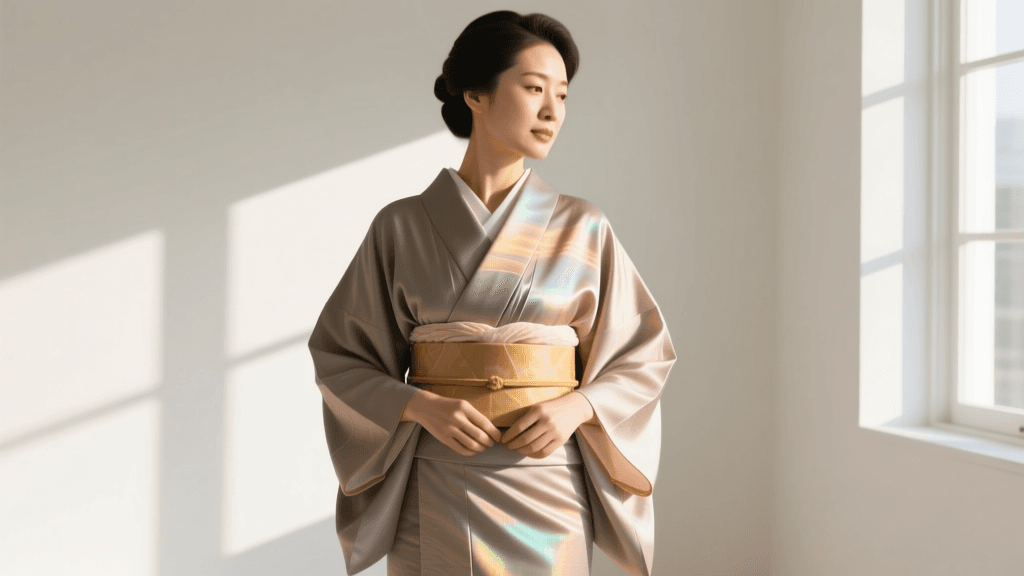
The art of kitsuke (kimono dressing) is a profound expression of Japanese culture, extending far beyond the vibrant outer garments that catch the eye. To truly understand Japanese fashion, one must look beneath the surface. The kimono is not a single piece of clothing but a carefully orchestrated system of layers, each serving a specific functional, aesthetic, and symbolic purpose. According to the Metropolitan Museum of Art, the structural integrity and graceful silhouette of the kimono rely entirely on the undergarments and binding sashes that prepare the body for the outer robe.
As we navigate the fashion landscape of 2026, traditional Japanese garments have seen a remarkable renaissance, blending centuries-old weaving techniques with cutting-edge textile innovations. Whether you are preparing for a formal tea ceremony, a summer festival, or integrating traditional pieces into contemporary streetwear, mastering the foundational layers is essential. This comprehensive guide explores the critical components of kimono layering—specifically the hadajuban, nagajuban, and datejime—while highlighting the modern silk blends and sustainable textiles that are redefining kitsuke in 2026.
Hadajuban and Nagajuban: The Essential Undergarments
The first layer of contact with the skin is the hadajuban, a lightweight, short-sleeved undergarment designed to absorb moisture and protect the more expensive outer layers from body oils. Traditionally made from white cotton or linen, the hadajuban is worn with a wrap skirt called a susoyoke or modern slim-fitting shorts for ease of movement.
Over the hadajuban sits the nagajuban, the primary under-kimono. The nagajuban is crucial because its collar (han-eri) is the only part of the undergarment that remains visible at the neckline of the outer kimono. In 2026, the customization of the han-eri has become a major trend, with wearers utilizing detachable, heavily embroidered collars to subtly signal the season or match their outer obi (sash) without purchasing multiple nagajuban.
2026 Innovations in Washable Silk and Bamboo Blends
Historically, nagajuban were crafted from pure silk crepe (chirimen) or cotton, requiring expensive and time-consuming professional cleaning. However, the 2026 textile market has introduced highly sophisticated washable silk blends. By weaving mulberry silk with bamboo rayon and recycled polyester microfibers, modern manufacturers have created undergarments that mimic the thermoregulating properties and luxurious drape of pure silk while being entirely machine-washable on delicate cycles. These blends are particularly popular for the ro (gauze) weave nagajuban worn during the humid Japanese summers, offering superior breathability and rapid moisture-wicking.
Datejime and Koshihimo: Securing the Silhouette
Unlike Western fashion, which often relies on tailoring, darts, and zippers to contour the body, the kimono achieves its iconic cylindrical silhouette through strategic binding. This is where the koshihimo and datejime come into play.
The koshihimo are thin, long ties (typically measuring 130cm in length and 4cm in width) used to secure the nagajuban and the outer kimono at the waist. In 2026, while traditional pink or white silk crepe koshihimo remain popular for formal wear, many practitioners have adopted elasticated velvet alternatives that prevent the ties from digging into the ribs during long events.
The datejime is a wider sash (usually 100cm long and 8cm wide) tied over the koshihimo. Its primary function is to flatten the excess fabric of the nagajuban and create a smooth, cylindrical canvas for the outer kimono. Traditional datejime are made from shibori (tie-dyed) silk or stiff brocade, which naturally grip the fabric beneath them. This year, we are seeing a surge in lightweight, breathable mesh datejime that provide structural support without adding bulk or trapping heat.
Comparison Table: Traditional vs. Modern 2026 Layering Materials
To help you choose the right foundation for your kitsuke, we have compiled a comparison of traditional materials versus the modern alternatives dominating the market in 2026.
| Garment | Traditional Material | 2026 Modern Alternative | Avg. Price (USD) | Maintenance |
|---|---|---|---|---|
| Hadajuban | White Cotton / Linen | Bamboo-Rayon Moisture-Wicking Blend | $25 - $45 | Machine Washable |
| Nagajuban | Pure Silk Chirimen (Crepe) | Washable Silk & Recycled Poly Blend | $120 - $280 | Delicate Machine Wash |
| Han-eri (Collar) | Hand-Embroidered Silk | Detachable Digital-Print Crepe | $30 - $90 | Spot Clean / Hand Wash |
| Koshihimo (Ties) | Silk Crepe / Muslin | Elasticated Velvet with Silicone Grip | $15 - $25 | Hand Wash |
| Datejime (Sash) | Stiff Silk Brocade / Shibori | Breathable 3D Mesh with Hook-and-Loop | $20 - $60 | Machine Washable |
Step-by-Step Layering Guide for the Modern Wearer
Achieving the perfect silhouette requires a methodical approach. Follow these actionable steps to properly layer your garments, ensuring comfort and structural integrity throughout the day.
- Prep the Base: Put on your hadajuban and susoyoke (or modern compression shorts). Ensure the hadajuban neckline sits roughly two finger-widths below your collarbone to remain hidden beneath the outer layers.
- Don the Nagajuban: Slip your arms into the nagajuban. Cross the left side over the right side (crossing right over left is strictly reserved for dressing the deceased in Japanese funerary rites). Pull the fabric taut across your back to eliminate wrinkles.
- Secure the Koshihimo: Wrap the first koshihimo around your waist, just below the navel. Cross it in the back, bring it to the front, and tie a secure square knot. Tuck the excess ends into the tie itself to prevent bulk.
- Adjust the Collar: Reach into the back of the nagajuban collar and pull it down gently so that a fist-sized gap appears between the fabric and your neck. This eri-nuki gap is a hallmark of elegant kitsuke.
- Apply the Datejime: Wrap the datejime over the koshihimo. If using a traditional shibori silk datejime, tie it firmly in the front. If using a 2026 hook-and-loop mesh datejime, secure it snugly to flatten the waistline fabric, creating a perfect cylinder.
Sensory Experience and Zen Mindfulness in Dressing
The process of kitsuke is deeply intertwined with Zen spirituality and mindfulness. In a fast-paced modern world, the deliberate, unhurried act of layering a kimono serves as a moving meditation. The sensory experience—the cool touch of the bamboo-blend hadajuban against the skin, the crisp sound of the silk nagajuban rustling, the firm, grounding pressure of the datejime securing the core—anchors the wearer in the present moment.
As noted by the Japan National Tourism Organization (JNTO), wearing traditional clothing is not merely about aesthetics; it is an immersive cultural practice that dictates posture, gait, and spatial awareness. The physical constraints of the layered garments naturally encourage a straight spine, smaller steps, and a graceful, measured pace, embodying the Zen principles of harmony and respect.
Caring for Your Layering Garments
Proper maintenance ensures the longevity of your kimono foundation. While the 2026 washable blends have drastically reduced maintenance costs, traditional silk pieces still require careful handling.
- Airing Out: After wearing, never immediately store your nagajuban or datejime. Hang them on a specialized kimono hanger (emono-kake) in a well-ventilated, shaded area for at least 24 hours to allow moisture and odors to dissipate.
- Collar Care: The han-eri absorbs the most sweat and makeup. Always unpin or detach the han-eri after wearing and hand-wash it using a neutral pH detergent. For stubborn foundation makeup stains, apply a small amount of cleansing oil directly to the fabric before washing.
- Storage: Store your layered undergarments flat in a breathable cotton storage box (tatou-shi). Avoid plastic bins, which trap humidity and can lead to mold growth, especially in the case of natural silk brocades.
By understanding and respecting the layers beneath the kimono, you not only protect your investment in these beautiful garments but also connect with a living, breathing tradition. Whether you are utilizing the latest 2026 washable silk technologies or practicing with heirloom shibori datejime, the foundation you build dictates the elegance of your entire ensemble. For more regional styling tips and historical context, the Kyoto City Official Travel Guide offers excellent resources on seasonal variations and local weaving heritage.