Geta & Zori Craft: Traditional Japanese Footwear Guide 2026
The Resurgence of Traditional Japanese Footwear in 2026
In 2026, the global fashion industry’s pivot towards slow fashion, heritage craftsmanship, and sensory-rich experiences has placed traditional Japanese footwear squarely in the international spotlight. Far from being relegated to historical museums or seasonal summer festivals, geta (wooden clogs) and zori (flat sandals) are experiencing a profound renaissance. Driven by a renewed interest in Zen spirituality, sustainable material sourcing, and the tactile beauty of artisanal weaving, modern consumers and international designers are embracing these ancient silhouettes. This comprehensive guide explores the intricate craftsmanship behind geta and zori, the material innovations defining the 2026 market, and practical advice for integrating these masterpieces into your contemporary wardrobe.
The Anatomy of Geta and Zori
To appreciate the craftsmanship, one must first understand the structural anatomy of traditional Japanese footwear. Unlike Western shoes that enclose the foot, geta and zori are designed to liberate the toes, promote natural posture, and allow for airflow—a vital feature in Japan’s humid summers.
Core Components
- Dai (Base): The main body of the footwear. For geta, this is typically carved from a single piece of wood. For zori, the base is constructed from layered materials like rice straw, EVA foam, or woven rush grass (igusa).
- Ha (Teeth): The wooden supports underneath a geta. Traditional geta feature two teeth, though single-tooth (tengu geta) and three-tooth variations exist for specific trades and performances.
- Hanao (Thong): The Y-shaped strap that secures the foot to the base. The hanao is the focal point of the artisan’s decorative craft, often featuring intricate braiding, silk brocade, or sustainable bio-textiles.
The sensory experience of wearing geta is heavily tied to the ha. The distinctive "clack-clack" sound, known as karankoron, is considered an auditory hallmark of traditional Japanese streetscapes, grounding the wearer in the present moment—a concept deeply tied to Zen mindfulness.
2026 Innovations in Footwear Craftsmanship
The year 2026 has introduced fascinating intersections between ancient techniques and modern technology. Artisans in historic hubs like Tokyo’s Asakusa district and Kyoto’s weaving centers are adopting new methods to make traditional footwear more accessible and durable for global urban environments.
Sustainable and Bio-Resin Materials
While premium kiri (paulownia) wood remains the gold standard for high-end geta due to its lightweight and moisture-resistant properties, the teeth (ha) are seeing a material revolution. Historically, wooden teeth would wear down quickly on modern asphalt. In 2026, master craftsmen are utilizing advanced, plant-based bio-resins and recycled rubber composites for the base of the teeth. These eco-friendly materials provide the necessary shock absorption and slip resistance for city walking while maintaining the traditional acoustic profile of wood-on-stone.
3D-Scanned Bespoke Fittings
Bespoke footwear is no longer limited to leather oxfords. Leading ateliers in Japan now offer 3D foot-scanning services to carve the dai to the exact arch and toe-spread of the client. This ensures that the weight is distributed perfectly across the wooden base, eliminating the fatigue historically associated with long-term geta wear. According to the official portal for Japan Traditional Crafts, the integration of digital scanning with hand-carving has led to a 40% increase in international bespoke orders for heritage footwear over the past two years.
Comparing Traditional Footwear Styles
Understanding the distinctions between the various types of traditional footwear is essential for selecting the right pair for your needs. Below is a comparison of the most prominent styles available in the 2026 market.
| Footwear Type | Base Material | Best Use Case | 2026 Avg Price (USD) | Formality Level |
|---|---|---|---|---|
| Geta | Solid Wood (Kiri/Sugi) | Festivals, Yukata, Casual Summer Wear | $120 - $350 | Casual to Semi-Formal |
| Zori | Rice Straw, Igusa, or EVA | Kimono, Tea Ceremonies, Formal Events | $80 - $500+ | Semi-Formal to Highly Formal |
| Setta | Bamboo/Straw with Leather Sole | Martial Arts, Zen Meditation, Daily Wear | $150 - $400 | Casual to Traditional Workwear |
The Art of Hanao: Weaving and Preservation
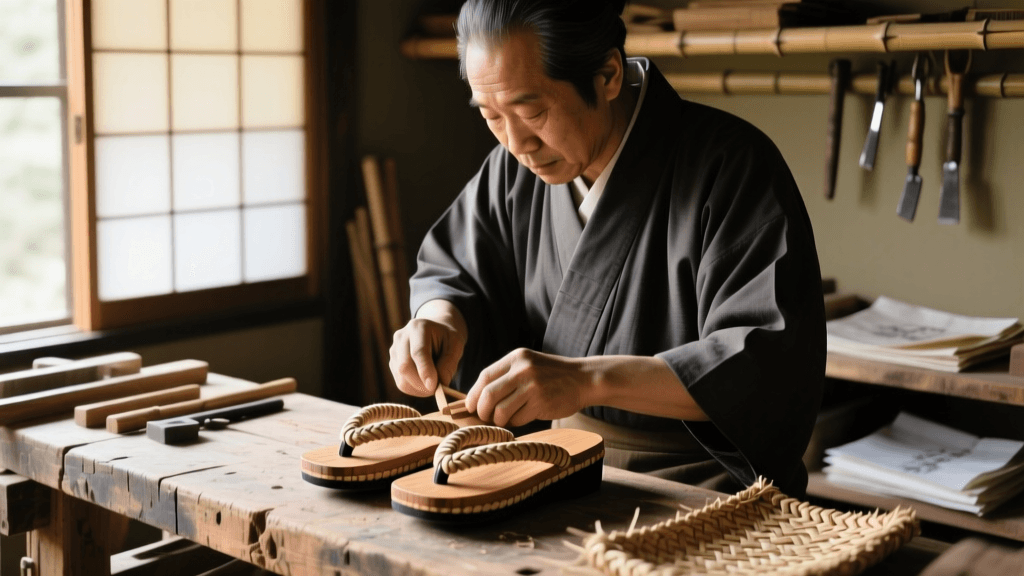
The hanao is where the true artistry of Japanese footwear shines. In 2026, the preservation of traditional braiding techniques, such as kagami-ami (mirror weaving) and yatsu-gumi (eight-strand braiding), is a major focus for cultural preservationists. The Kyoto Museum of Traditional Crafts frequently highlights how the tactile nature of hand-woven hanao provides a stark contrast to mass-produced synthetic straps.
Modern hanao crafting often incorporates upcycled silk from vintage kimonos, aligning with the circular fashion movement. Artisans carefully pad the inner core of the thong with soft cotton or specialized memory-foam yarns to prevent the friction blisters that historically plagued new geta wearers. The knotting technique used to secure the hanao to the dai is a closely guarded skill; a master knotter ensures the strap is taut enough to support the foot but flexible enough to allow the toes to grip naturally.
Sourcing Authentic Geta and Zori in 2026
For collectors and enthusiasts looking to purchase authentic pieces, knowing where to look is crucial. While online marketplaces offer mass-produced imitations, true craftsmanship requires purchasing from certified ateliers.
Where to Buy
- Asakusa, Tokyo: The historic epicenter of geta crafting. Shops like Tsujiya have been operating for generations, offering everything from ready-to-wear festival geta to fully bespoke, hand-lacquered masterpieces.
- Kyoto’s Gion District: Best for high-end, formal zori designed to be worn with silk kimonos. Here, you will find hanao woven with real gold and silver threads.
- Direct from Artisan Cooperatives: Many rural cooperatives in the Tohoku region now ship internationally, offering beautifully crafted igusa (rush grass) zori that support local agricultural heritage.
When purchasing, always look for the certification mark from the Japanese Ministry of Economy, Trade and Industry (METI), which guarantees the item is a designated Traditional Craft Product. The Agency for Cultural Affairs, Government of Japan, also provides extensive directories on intangible cultural properties, helping buyers verify the lineage and authenticity of the artisan techniques used in their footwear.
How to Walk in Geta: Technique and Posture
Walking in geta requires a complete departure from the heel-to-toe stride of Western footwear. Attempting to walk in geta using a standard gait will result in the wooden teeth catching on the ground, leading to stumbling and rapid wear.
The Geta Shuffle
- Posture: Stand tall with your center of gravity slightly forward. Keep your back straight, aligning with the principles of Zen posture.
- The Lift: Instead of pushing off with your toes, lift the geta using the muscles in your calves and the grip of your toes on the wooden base.
- The Glide: Move your foot forward in a slight gliding motion, keeping the base relatively parallel to the ground.
- The Strike: Set the foot down flat, allowing both teeth (or the flat sole of a zori) to make contact with the ground simultaneously. This produces the signature acoustic snap and ensures stability.
Practicing this gait not only preserves the footwear but also engages the core and calf muscles, offering a subtle, low-impact workout that improves overall balance and posture.
Care and Maintenance for Longevity
Proper maintenance is essential to ensure your traditional footwear lasts for decades. Wood is a living material that reacts to its environment.
- Moisture Control: Never leave wooden geta in direct sunlight or near artificial heaters, as the kiri or sugi wood will crack. Store them in a cool, dry place with moderate humidity.
- Hanao Replacement: The hanao is considered a consumable component. In 2026, most reputable shops offer hanao replacement services. Expect to replace the thong every 2 to 4 years depending on wear frequency. Upgrading to a new hanao is a popular way to refresh the look of vintage geta.
- Cleaning: Wipe the wooden base with a dry, soft cloth. For igusa (rush grass) zori, use a soft-bristled brush to remove dust from the woven surface. Avoid using chemical cleaners or excessive water, which will degrade the natural plant fibers and strip the wood of its protective oils.
Conclusion
The enduring appeal of geta and zori lies in their ability to connect the wearer to the ground, to history, and to the meticulous hands of the artisan. As we navigate the fashion landscape of 2026, the integration of sustainable bio-materials and bespoke digital fittings has only enhanced the viability of these ancient designs for modern life. Whether you are stepping into a pair of fragrant cedar geta for a summer festival or slipping on woven rush zori for a quiet moment of meditation, traditional Japanese footwear offers a profound, sensory-rich experience that transcends fleeting trends. By investing in authentic craftsmanship and mastering the mindful art of the geta stride, you participate in the living preservation of one of Asia’s most fascinating sartorial traditions.