Chinese Da Hua Lou Drawloom Weaving Techniques in 2026
The Resurgence of the Da Hua Lou in Modern Textile Arts
As the global fashion industry leans heavily into sustainable heritage and artisanal craftsmanship in 2026, the Chinese Da Hua Lou (大花楼) drawloom has emerged as a focal point for textile historians and contemporary designers alike. This colossal, 1,500-year-old wooden loom is the exclusive engine behind Nanjing Yunjin, or 'cloud brocade,' a fabric so revered it was historically reserved for imperial dragon robes. Today, the intersection of this ancient technology with the booming Xin Zhongshi (New Chinese Style) movement has created a renaissance for traditional weaving techniques. According to the UNESCO Intangible Cultural Heritage registry, the Nanjing Yunjin brocade weaving technique represents one of the most complex manual weaving systems ever devised by humanity. In 2026, mastering and preserving this loom is no longer just an act of historical conservation; it is a highly sought-after skill driving luxury Asian fashion.
The Architectural Marvel of the Da Hua Lou
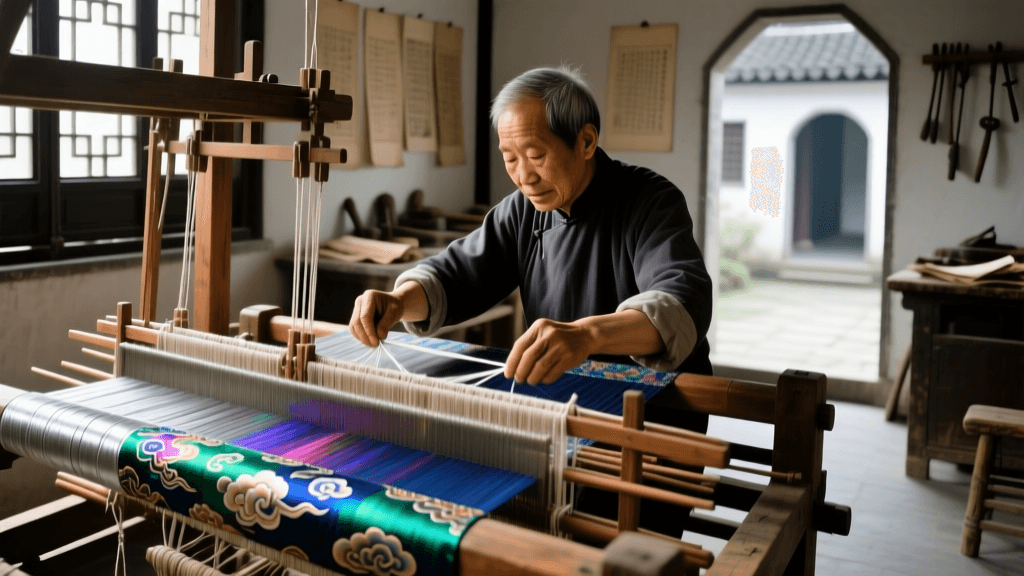
To understand the weaving technique, one must first understand the machine. The Da Hua Lou is a massive drawloom constructed entirely from wood using traditional mortise and tenon joinery, without a single iron nail. It measures approximately 5.6 meters in length, 1.4 meters in width, and towers 4 meters into the air. The sheer scale of the loom is necessary to accommodate its complex 'pattern tower' (Hualou), which sits at the top and stores the mechanical memory of the textile design.
Unlike modern mechanized looms that rely on electronic punch cards or digital CAD files, the Da Hua Lou utilizes a physical 'knot record' system known as Jie Ben. Thousands of cotton cords are tied in specific sequences to correspond with the warp threads. This binary-like system of knots dictates which threads are raised to allow the weft to pass through, effectively functioning as an ancient, analog computer. As noted by The Metropolitan Museum of Art in their comprehensive history of Chinese silk weaving, the drawloom's ability to separate complex warp configurations allowed Chinese weavers to achieve pattern repeats and color variations that were centuries ahead of European textile capabilities.
The Human Algorithm: A Two-Weaver Symbiosis
Operating the Da Hua Lou in 2026 still requires the synchronized effort of two master artisans. The process cannot be automated without losing the structural integrity and distinct 'cloud' texture of genuine Yunjin.
- The Upper Weaver (Puller): Seated atop the 4-meter-high pattern tower, this artisan reads the Jie Ben knot records. They manually pull the specific harness cords to raise the exact warp threads required for the next pass of the shuttle.
- The Lower Weaver (Weaver): Seated at the base, this artisan manages the shuttle, beats the weft threads tightly into place with a heavy wooden comb, and coordinates the introduction of supplementary metallic or feather threads.
The communication between the two weavers is often rhythmic and non-verbal, relying on the tactile feedback of the tensioned silk and the acoustic click of the wooden harnesses. Together, they can produce a mere 5 to 6 centimeters of authentic cloud brocade per day.
Material Sourcing and 2026 Market Realities
The magic of Nanjing Yunjin lies not just in the loom, but in the extraordinary materials fed through it. In 2026, the luxury market has seen a massive spike in demand for ethically sourced, traditional weaving materials. Authentic Yunjin incorporates mulberry silk, peacock feather yarn, and ultra-thin gold and silver foil threads.
Preparing the peacock feather yarn is a meticulous process where the iridescent barbs are hand-twisted around a core silk thread. Meanwhile, the gold foil is hammered to a microscopic thickness and sliced into fine ribbons. Due to the rising cost of raw gold and the scarcity of trained peacock feather spinners, the market price for authentic, hand-loomed Da Hua Lou Yunjin in 2026 ranges from ¥30,000 to over ¥80,000 per meter, depending on the density of the metallic threads and the complexity of the auspicious motifs.
Comparing Ancient Drawlooms and Modern Adaptations
While the traditional Da Hua Lou remains the gold standard for museum-quality and haute couture Xin Zhongshi garments, the industry has developed modern adaptations to meet broader market demands. Below is a comparison of the traditional method versus modern electronic Jacquard adaptations used for commercial brocade in 2026.
| Feature | Traditional Da Hua Lou (Handloom) | Modern Electronic Jacquard Loom |
|---|---|---|
| Pattern Memory | Jie Ben (Hand-tied cotton knot records) | Digital CAD files and electronic punch cards |
| Operation | Two weavers (Upper puller, lower weaver) | Single operator monitoring automated harnesses |
| Daily Output | 5 to 6 centimeters | 15 to 25 meters |
| Material Handling | Delicate peacock feathers and pure gold foil | Standard silk, synthetic metallic yarns, Lurex |
| 2026 Market Price | ¥30,000 - ¥80,000+ per meter | ¥800 - ¥2,500 per meter |
The Xin Zhongshi Movement: Ancient Looms on Modern Runways
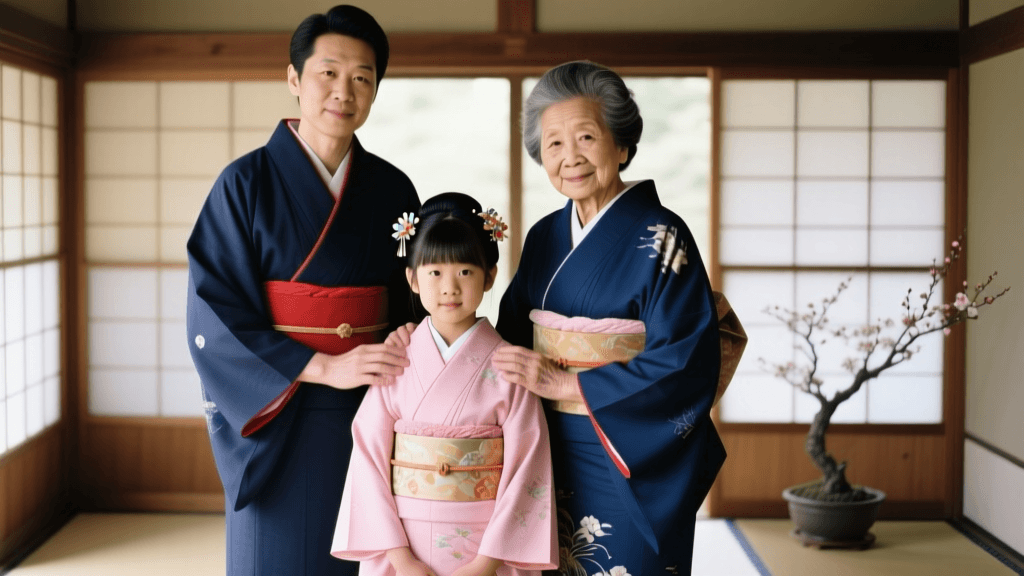
The Xin Zhongshi (New Chinese Style) movement of 2026 has moved beyond simple mandarin collars and frog buttons. Today's top Asian designers are utilizing the Da Hua Lou to create structural, avant-garde garments that honor the drape and weight of ancient textiles. Because Yunjin is heavily woven with metallic threads, it possesses a unique stiffness and architectural quality that designers are exploiting to create sculptural silhouettes, structured jackets, and voluminous skirts that hold their shape without synthetic crinolines.
Furthermore, the cultural exchange fostered by initiatives like the UNESCO Silk Roads Programme has inspired contemporary weavers to blend traditional Chinese cloud motifs with Central Asian geometric patterns, reflecting the historical trade routes in modern 2026 collections. This cross-cultural weaving approach requires the Da Hua Lou's upper weaver to tie entirely new Jie Ben knot sequences, pushing the boundaries of the loom's analog memory.
Archival Storage and Garment Care for Metallic Brocades
Owning a garment woven on a Da Hua Lou requires strict adherence to textile conservation principles. The combination of protein-based silk, organic peacock feathers, and reactive metallic foils makes these garments highly susceptible to environmental damage. If you are investing in authentic 2026 Yunjin couture, follow these maintenance protocols:
- Never Fold: The metallic gold and silver threads are essentially thin strips of metal wrapped around a silk core. Folding the garment will cause the metal to crease, fracture, and eventually snap. Always store the garment rolled around a large-diameter, acid-free archival tube.
- Climate Control: Maintain a strict environment of 50% relative humidity and a temperature of 18°C (64°F). High humidity will cause the metallic foils to oxidize and tarnish, while low humidity will make the silk core brittle.
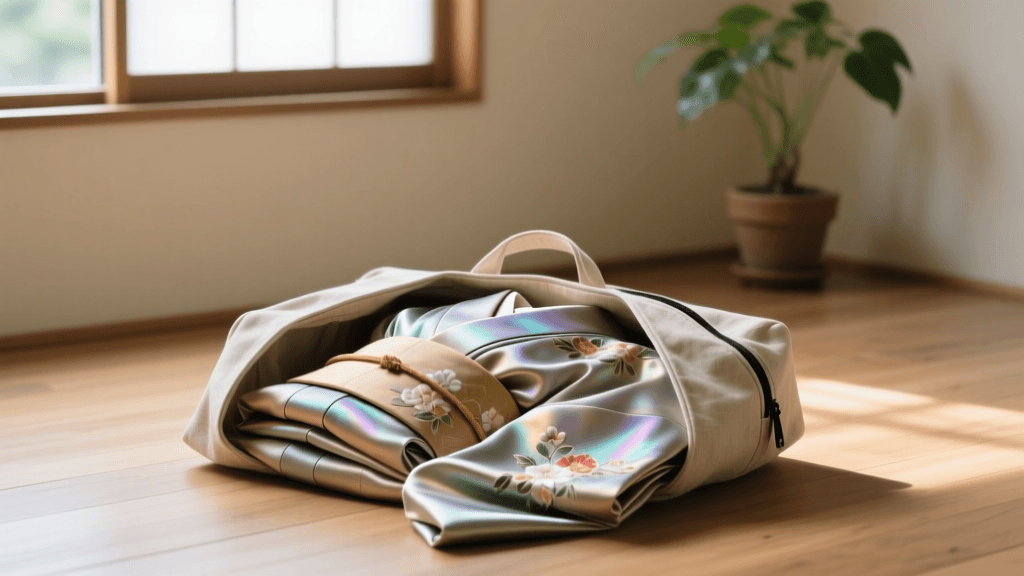
- Light Exposure: Peacock feather yarn is highly sensitive to ultraviolet light, which will bleach its natural iridescence. Store the garment in a blackout, breathable cotton muslin bag, and avoid displaying it in direct or ambient sunlight.
- Cleaning: Never dry clean or wet wash authentic Yunjin. The chemicals used in commercial dry cleaning will strip the natural sericin from the silk and dissolve the adhesives binding the gold foil. Surface dust should only be removed using a soft, natural-bristle conservation brush in the direction of the weave.
Conclusion
The Da Hua Lou drawloom is a testament to the ingenuity of ancient Chinese engineering and artistry. As we navigate the fashion landscape of 2026, the dedication of the artisans who climb the 4-meter towers to pull the Jie Ben cords ensures that the legacy of Nanjing cloud brocade continues to thrive. By understanding the mechanics, valuing the materials, and properly caring for these textiles, we actively participate in the preservation of one of Asia's most magnificent cultural traditions.