2026 Kimono Guide: Birth, Coming-of-Age & Memorial Ceremonies
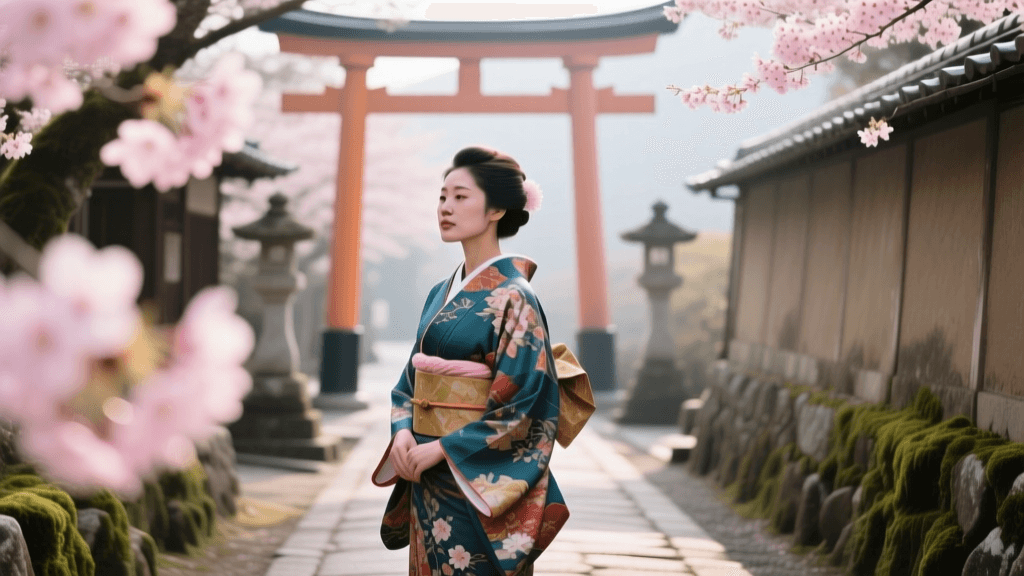
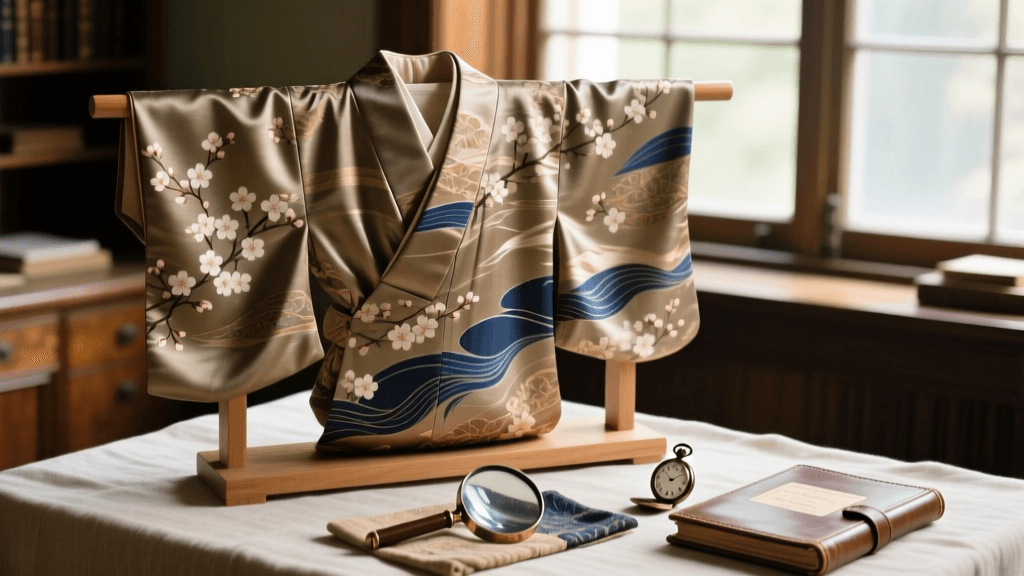
The kimono is far more than a beautiful garment; it is a profound cultural anchor that connects generations of Japanese families through life's most significant milestones. As we navigate 2026, the intersection of deep-rooted tradition and modern convenience has reshaped how families approach ceremonial dress. While the silhouettes and symbolic motifs remain largely unchanged, the ways in which families source, style, and wear these garments have evolved to meet contemporary lifestyles, shifting climates, and new legal definitions of adulthood.
Whether you are preparing for a baby's first shrine visit, celebrating a child's transition into adulthood, or honoring ancestors during memorial services, understanding the nuanced rules of kimono selection is essential. This comprehensive 2026 guide explores the specific garments, etiquette, and modern adaptations for Japan's most vital family ceremonies.
Miyamairi: The First Shrine Visit
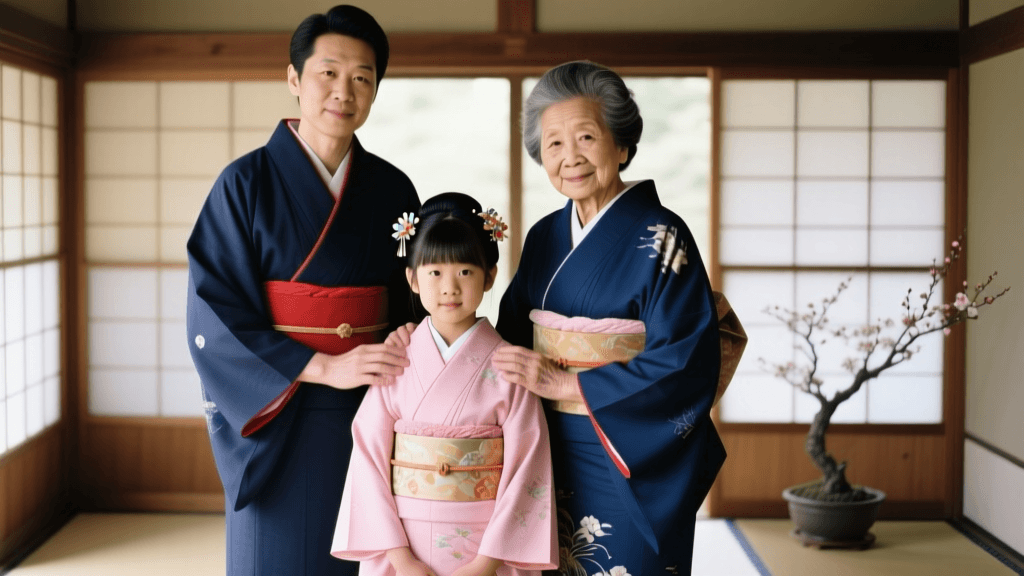
Miyamairi (or Omiyamairi) is a traditional Shinto ceremony held roughly one month after a baby is born. The family visits a local shrine to express gratitude for the safe birth and to pray for the child's health and longevity. The sartorial focus of this event is entirely on the infant, though the parents and grandparents also dress formally to show respect to the kami (spirits).
The Baby's Garments
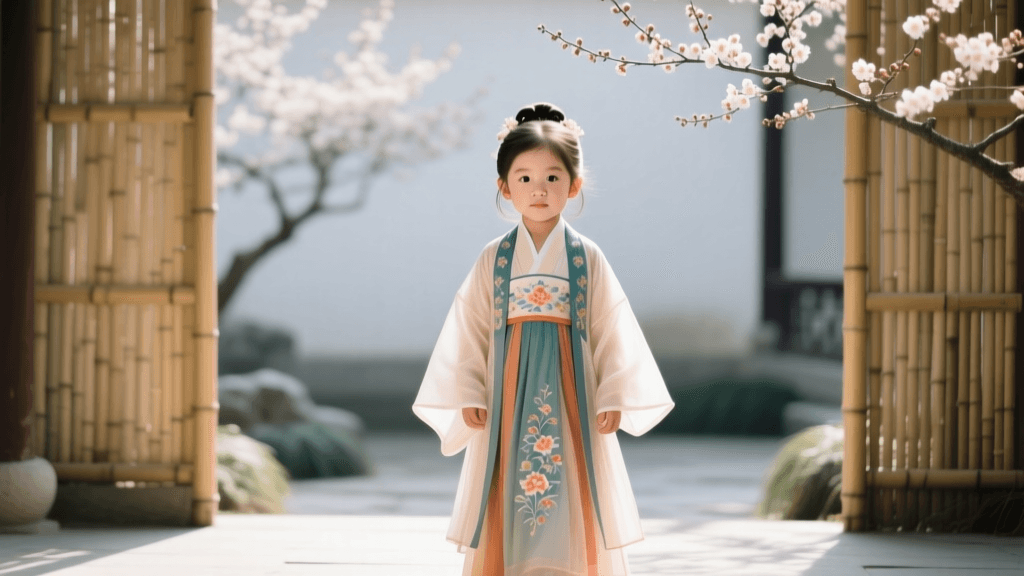
The newborn is dressed in an ubugi (a white silk or cotton under-kimono) and wrapped in a spectacular outer garment known as an iwagi or hirogoso. For baby girls, the outer kimono typically features vibrant, auspicious motifs like peonies, cherry blossoms, or rabbits, often accented with gold thread. For baby boys, the garments are usually darker or more subdued, featuring motifs like hawks, pine trees, or kabuto (samurai helmets), alongside the family crest (kamon).
In 2026, a major trend in Miyamairi is the use of climate-adaptive fabrics. With Japanese summers becoming increasingly hot and humid, many families are opting for lightweight, breathable silk-linen blends for the baby's outer layers to prevent overheating, while maintaining the traditional aesthetic.
Attire for Parents and Grandparents
The mother typically wears a houmongi (visiting kimono) or a tsukesage, both of which are elegant but slightly less formal than a black-tie kurotomesode. Because the mother will be holding the baby, the obi (sash) is tied securely but comfortably, often utilizing a modified bunko knot. Fathers and grandfathers traditionally wear a montsuki hakama (a crested kimono with wide-legged trousers), though in 2026, it is entirely acceptable and common for men to wear a dark, formal Western suit with a white tie. Grandmothers usually wear a refined edomon or a subtle iromuji (solid-colored kimono).
Seijin-shiki and Hatachi no Tsudoi: Coming of Age
The Coming-of-Age ceremony is one of the most visually spectacular events in Japan. Historically tied to the legal age of adulthood, the landscape of this ceremony shifted significantly after the Japanese government lowered the age of majority to 18 in 2022. However, as of 2026, municipalities and families still overwhelmingly celebrate the Hatachi no Tsudoi (Gathering of Twenty-Year-Olds). This is largely because 18-year-olds are typically consumed by university entrance examinations, making age 20 the practical and emotional milestone for celebrating youth and independence.
The Furisode: A Canvas of Youth
Unmarried young women celebrate this milestone by wearing a furisode, a kimono characterized by its dramatically long, swinging sleeves. The length of the sleeves denotes formality: o-furisode (large sleeves, over 114cm) is the most formal, while chu-furisode (medium) and ko-furisode (short) are slightly more practical. In 2026, bold, high-contrast color palettes and modern graphic interpretations of classical motifs (like pop-art inspired cranes or geometric water waves) are highly sought after.
According to the All Japan Kimono Association, the furisode market has seen a massive surge in sustainable practices. Many young women in 2026 are choosing to wear their mothers' or grandmothers' vintage furisode, utilizing modern arrange styling—such as adding lace collars, jewel-toned obijime (cords), and contemporary hair accessories—to personalize the heirloom garment.
Men's Coming-of-Age Attire
While the vast majority of young men opt for Western suits, those who choose traditional dress wear a hakama ensemble. The most popular choice in 2026 is the sendai-hira hakama, characterized by its stiff, ribbed silk texture that holds a sharp, dignified pleat. This is paired with a solid-colored kimono (often navy, charcoal, or deep plum) bearing the family crest.
Hōji and Obon: Memorials and Ancestor Veneration
Mourning and remembrance are deeply woven into the fabric of Japanese family life. The rules governing mourning attire (mofuku) are among the strictest in Japanese culture, though they relax as time passes from the date of death.
The 49th Day and Early Memorials
The 49th day after a passing marks the end of the intense mourning period in Buddhism. For this ceremony, and the first Obon (the summer festival of the dead) following a death, immediate family members wear full mofuku. This consists of a plain, matte black silk kimono bearing five white family crests, a black obi, and black accessories. The matte texture is crucial; shiny fabrics are considered inappropriate for deep mourning as they reflect light and draw attention.
Later Anniversaries (Shōnen Hōji)
For subsequent memorial anniversaries (such as the 3rd, 7th, and 13th years), the strictness of the attire softens. Family members transition to iro-mofuku (subdued colored mourning wear) or a dark iromuji (solid color kimono) with one to three crests. Acceptable colors include deep navy, charcoal, dark purple, and muted slate gray. The obi transitions from solid black to subtle silver, gray, or dark burgundy patterns. The Agency for Cultural Affairs notes that maintaining these generational distinctions in mourning wear remains a vital practice for preserving regional textile heritage and familial respect.
Obon and Grave Visits
During the annual Obon season in mid-summer, families gather to clean ancestral graves and welcome spirits home. Because Obon occurs during Japan's most sweltering months, full silk kimono is often impractical. In 2026, it is standard for families to wear high-quality, dark-toned yukata (cotton summer kimono) or lightweight komon (casual patterned kimono) in breathable hemp or ramie blends when visiting the cemetery, reserving formal mourning wear strictly for the indoor temple services.
2026 Ceremonial Kimono: Rental vs. Purchase
Deciding whether to rent or buy is the most common logistical hurdle for modern families. The 2026 rental market is highly digitized, offering virtual try-ons and home-delivery services, while purchasing remains an investment in family heirlooms. Below is a comparative breakdown of costs and considerations for the current year.
| Feature | 2026 Rental Packages | Purchasing (New / Custom) |
|---|---|---|
| Furisode (Coming-of-Age) | ¥80,000 - ¥150,000 (Includes dressing, hair, and accessories) | ¥400,000 - ¥1,500,000+ (Bespoke silk, hand-painted) |
| Miyamairi Baby Set | ¥15,000 - ¥30,000 (3-day rental period) | ¥100,000 - ¥300,000 (Heirloom quality, embroidered) |
| Mofuku (Mourning) | ¥25,000 - ¥45,000 (Rarely rented; mostly purchased) | ¥250,000 - ¥500,000 (Matte black crepe silk, 5 crests) |
| Maintenance | Zero (Handled by the rental company) | High (Requires professional maruarai cleaning and humidity control) |
| Convenience | High (Virtual selection, home delivery, return via konbini) | Low (Requires multiple fittings, custom tailoring time) |
The Logistics of Kitsuke (Dressing) in 2026
Wearing a formal kimono requires the skill of a kitsuke-shi (professional dresser). For ceremonies like Seijin-shiki and Miyamairi, booking a dresser is practically mandatory. In 2026, the Japan Foundation highlights how cultural preservation efforts have integrated with modern gig-economy apps, allowing families to book certified dressers directly to their homes or hotels.
When booking a dresser for a memorial service, it is crucial to specify the exact nature of the ceremony (e.g., 49th day vs. 7th-year anniversary). A professional dresser will adjust the tying style of the obi and the placement of the obijime cord to perfectly match the solemnity of the event. For mourning, the obi is tied in a simple, flat fukura-suzume or niju-daiko knot, avoiding any decorative loops that suggest celebration.
Conclusion
Navigating the world of ceremonial kimono in 2026 requires a delicate balance of respecting historical etiquette while embracing modern solutions for comfort and sustainability. Whether wrapping a newborn in the protective silk of a Miyamairi hirogoso, watching a twenty-year-old step into the future in a vibrant furisode, or bowing in quiet reverence in a matte black mofuku, the kimono remains an irreplaceable vessel for Japanese family memory. By understanding the specific garments, adapting to contemporary climate needs, and utilizing modern rental and dressing services, families can ensure these profound traditions continue to thrive for generations to come.