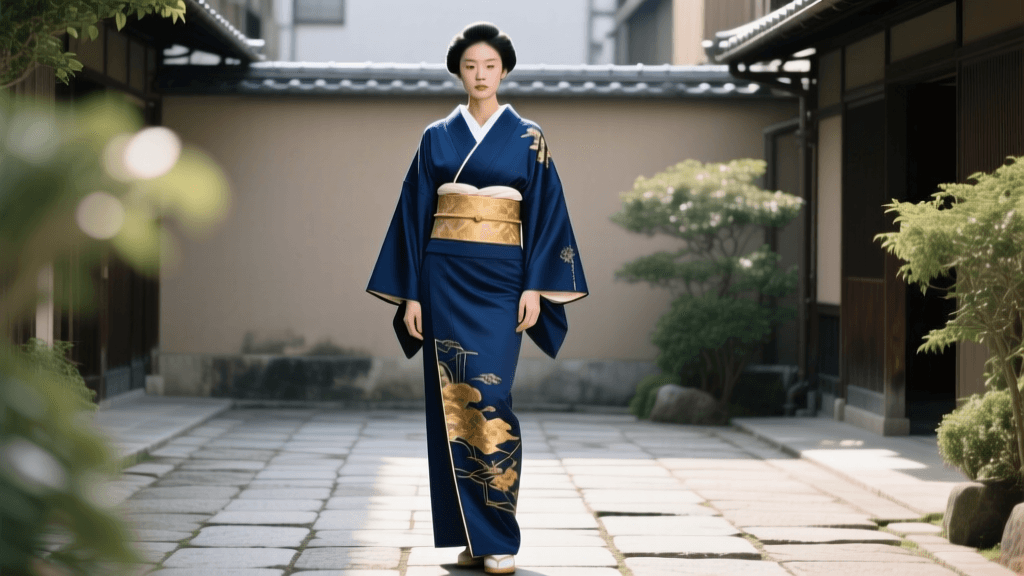
Modern Japanese Haori Styling and Nishijin Weaving 2026
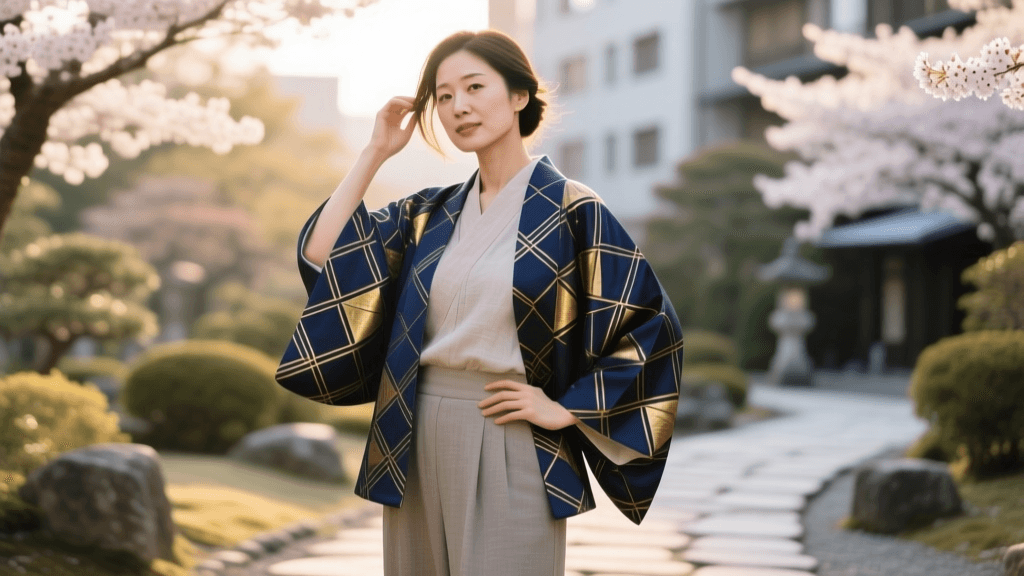
The Renaissance of the Haori in 2026
The traditional Japanese haori, a hip- or thigh-length kimono-style jacket, has experienced a monumental renaissance in global fashion by 2026. Originally worn by samurai and later adopted by the merchant classes during the Edo period, the haori was designed to be worn over the kosode (the predecessor to the modern kimono) to provide warmth and display family crests or subtle luxury. Today, the haori has transcended its historical boundaries, emerging as a versatile, gender-neutral outerwear staple that bridges the gap between heritage craftsmanship and contemporary streetwear. In 2026, international runways and urban centers from Tokyo to Paris are dominated by the structured yet fluid silhouettes of the haori, celebrated for its T-shaped construction, open front, and exquisite textile artistry.
Unlike the heavily structured Western blazer, the haori relies entirely on the drape of its fabric and the precision of its seams. It does not use buttons or zippers; instead, it is secured at the center front with a braided silk cord known as a haori himo. This minimalist fastening system allows the garment to lay flat, creating an elegant, unbroken visual line that flatters a wide variety of body types. As the global fashion industry pivots toward slow fashion and investment dressing in 2026, the haori stands out as a timeless piece that resists seasonal trends, offering a lifetime of wear when properly maintained.
Nishijin-Ori: The Backbone of Luxury Haori Textiles
When discussing luxury haori, one must explore the legendary Nishijin-ori weaving technique. Originating in the Nishijin district of Kyoto, this intricate weaving method is renowned for its complex patterns, vibrant colors, and the incorporation of precious metals. According to the Kogei Japan Traditional Crafts Portal, Nishijin weaving involves a meticulous process where the yarn is dyed before weaving, allowing for the creation of highly detailed, tapestry-like motifs that are identical on both sides of the fabric. In 2026, authentic Nishijin silk remains the gold standard for formal and semi-formal haori, with master weavers utilizing both traditional hand-operated jacquard looms and advanced, computer-assisted looms to meet global demand without sacrificing artisanal integrity.
The Integration of Gold and Silver Threads
One of the most striking features of a premium Nishijin haori is the use of kinran (gold brocade) and ginran (silver brocade). Artisans in Kyoto apply pure gold or silver leaf onto specialized washi paper, which is then cut into ultra-fine strips and wrapped around silk threads. In 2026, sustainable innovations in this space have led to the development of eco-conscious metallic yarns that utilize recycled precious metals and biodegradable paper bases, ensuring that the opulent shimmer of the haori does not come at an environmental cost. These metallic threads catch the light dynamically, making a Nishijin haori a breathtaking choice for evening wear and formal gatherings.
Traceable Silk and 2026 Sustainability Standards
The silk used in modern luxury haori is increasingly subject to rigorous traceability standards. In 2026, the most prestigious weaving houses in Kyoto source their raw silk from certified sustainable sericulture farms in Gunma and Nagano prefectures. These farms utilize closed-loop water systems and organic mulberry cultivation, ensuring that the environmental footprint of the silk is minimized. Consumers purchasing high-end haori this year are often provided with a digital passport via QR code, detailing the exact origin of the silk, the dyeing methods used, and the name of the master weaver.
Comprehensive Haori Styling Guide for 2026
Integrating a traditional Japanese garment into a modern wardrobe requires an understanding of proportion, texture, and contrast. The haori's boxy, open-front design makes it an exceptional layering piece. Below are the most prominent styling methodologies dominating the 2026 fashion landscape.
The Urban Commuter: Business Casual Layering
For professional environments, the haori offers a sophisticated alternative to the standard sports coat. In 2026, the prevailing trend is to pair a solid-colored, crepe-weave silk haori (known as chirimen) with tailored, wide-leg wool trousers and a fine-gauge merino wool turtleneck. The absence of lapels on the haori creates a clean, minimalist neckline that draws attention to the face and the subtle texture of the silk. Stick to muted, earthy tones such as charcoal, deep navy, or matcha green for the office. The haori himo (cord) should be tied in a simple, elegant knot, allowing the ends to hang symmetrically.
Weekend Streetwear: Denim and Minimalist Basics
Street style in 2026 heavily features the juxtaposition of rugged workwear and delicate heritage textiles. A vintage or upcycled Nishijin haori, featuring bold geometric patterns or traditional floral motifs, looks striking when layered over a heavyweight, plain white cotton t-shirt and raw selvedge denim. The stiffness of the denim contrasts beautifully with the fluid drape of the silk. Footwear choices range from chunky, avant-garde sneakers to traditional leather geta with modern rubber soles. This high-low mix respects the artistry of the garment while grounding it in everyday, wearable reality.
Sizing, Fit, and the Art of Measurement
Unlike Western clothing, which is sized by chest and waist measurements, traditional Japanese garments are sized based on a modular system derived from the width of the fabric bolt (tanmono). Understanding these measurements is crucial for achieving the correct drape and silhouette. In 2026, many international retailers provide conversion charts, but knowing the traditional terms ensures a more accurate fit when purchasing directly from Japanese artisans or vintage dealers.
| Measurement Area | Japanese Term | Description & 2026 Modern Fit Guide |
|---|---|---|
| Sleeve Length | Yuki | Measured from the center back of the neck, across the shoulder, to the wrist. Modern styling favors a slightly shorter yuki (approx. 75-80cm) to prevent the sleeves from catching on modern accessories like smartwatches. |
| Shoulder Width | Katahaba | The distance across the back from shoulder seam to shoulder seam. A standard modern fit is around 60-64cm, allowing the seam to drop slightly off the shoulder for a relaxed drape. |
| Sleeve Width | Sodehaba | The width of the sleeve opening. Traditional haori have wide sleeves (approx. 35cm) to accommodate kimono underneath. For 2026 streetwear, narrower sleeves (28-30cm) are preferred for a streamlined look. |
| Body Length | Mitake | Measured from the base of the collar to the hem. Hip-length (approx. 80-85cm) is the most versatile for modern layering over jeans or dresses. |
Motif Symbolism in Contemporary Fashion
The patterns woven or dyed onto a haori are never merely decorative; they carry deep cultural and auspicious meanings. According to the Victoria and Albert Museum's extensive archives on Japanese dress, understanding these motifs adds a layer of narrative depth to the garment. In 2026, fashion-conscious buyers are highly selective about the symbolism their clothing projects.
- Seigaiha (Blue Ocean Waves): Concentric circles overlapping to resemble waves. This motif represents surges of good luck and resilience. It is highly popular in 2026 for entrepreneurs and creatives seeking a symbol of continuous momentum.
- Tsuru (Crane): A symbol of longevity and good fortune. Cranes are often woven in gold thread on formal black haori, worn during significant life milestones, weddings, and milestone birthdays.
- Shippo (Seven Treasures): An interlocking geometric pattern resembling overlapping coins or circles. It signifies harmony, strong relationships, and infinite expansion, making it a favored motif for collaborative work environments.
- Matsu (Pine): Representing endurance and steadfastness, as the pine tree remains green throughout the harsh winter. Pine motifs, often stylized into abstract geometric shapes in modern Nishijin weaves, are chosen for their grounding, stabilizing energy.
Caring for Your Silk Haori
Investing in a silk haori requires a commitment to proper garment care. Silk is a protein fiber that is highly sensitive to moisture, direct sunlight, and friction. In 2026, the standard for storing high-end silk garments involves the use of traditional paulownia wood (kiri) boxes. Paulownia wood naturally regulates humidity and repels insects without the need for harsh chemical mothballs, which can degrade silk fibers and leave a pervasive odor.
When not in use, the haori should be folded along its original seam lines and wrapped in unbleached cotton or acid-free tissue paper. Never hang a heavy Nishijin silk haori on a wire or thin wooden hanger for extended periods, as the weight of the woven gold threads can distort the shoulder seams over time. If the garment becomes wrinkled, avoid direct contact with an iron; instead, use a professional-grade garment steamer held at least six inches away from the fabric. For stains or deep cleaning, dry cleaning is mandatory, but you must seek out a specialist who understands the water-soluble dyes used in traditional Japanese textiles to prevent color bleeding.
Where to Source Authentic Haori in 2026
The market for Japanese garments has expanded globally, but authenticity remains a primary concern for serious collectors and fashion enthusiasts. Mass-produced polyester imitations flood fast-fashion markets, often misappropriating traditional patterns without respecting the weaving techniques. To source an authentic haori in 2026, buyers should look to certified traditional craft cooperatives in Kyoto, such as the Nishijin Weaving Industrial Association, or reputable international dealers who provide certificates of authenticity detailing the loom type and silk origin.
For those traveling to Japan, the Nishijin Textile Center in Kyoto offers an immersive experience where visitors can observe master weavers at work and purchase directly from the source. Additionally, curated vintage markets in Tokyo's Shimokitazawa and Kyoto's Toji Temple flea market remain treasure troves for mid-century haori, offering incredible value and unique, one-of-a-kind patinas that cannot be replicated by modern manufacturing. As the Japan National Tourism Organization frequently highlights, engaging directly with local artisans not only guarantees authenticity but also supports the vital preservation of Japan's intangible cultural heritage for future generations.