Cheongsam Silhouettes in 2026 Global Fashion Media: Editorial Styling
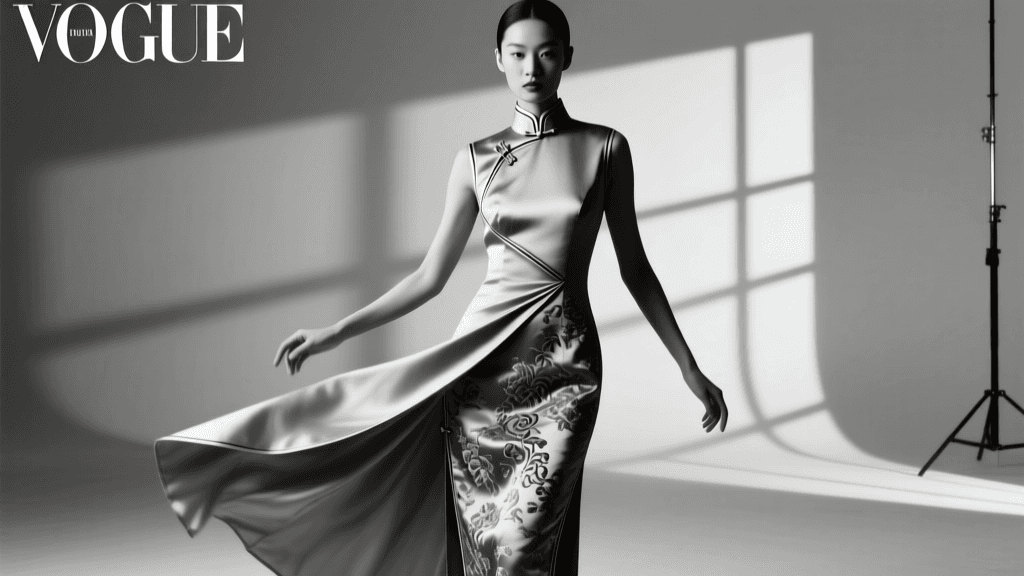
The Cheongsam in 2026: A New Era of Global Fashion Media
The global fashion media landscape in 2026 has undergone a profound transformation, particularly in its coverage and styling of Asian traditional garments. No longer relegated to the realm of historical costume or exoticized tropes, the cheongsam (also known as the qipao) has firmly established itself as a cornerstone of modern haute couture and high-fashion editorial spreads. Leading publications like Vogue, Harper's Bazaar, and i-D are now collaborating directly with heritage artisans and Asian cultural historians to present the cheongsam with the nuance, respect, and structural reverence it deserves. This shift marks a significant departure from the superficial appropriations of the early 2010s, moving toward a deep appreciation of the garment's architectural brilliance and textile heritage.
For stylists, fashion journalists, and enthusiasts navigating the 2026 editorial scene, understanding the anatomy of the cheongsam is no longer optional; it is a fundamental requirement. The modern editorial cheongsam is a masterclass in tension and release, balancing the rigid structure of the Mandarin collar with the fluid drape of heritage silks. In this comprehensive guide, we deconstruct how the cheongsam is being styled in global fashion media today, explore the economics of sourcing authentic heritage textiles, and provide actionable advice for integrating these silhouettes into contemporary global wardrobes.
The Evolution of the Cheongsam in Global Media
To understand the 2026 editorial aesthetic, one must look at the trajectory of the garment in Western media. Historically, global fashion magazines often treated the cheongsam as a monolithic symbol of mid-century Shanghai glamour, frequently confusing it with broader, pan-Asian orientalist fantasies. Today, the narrative has been rightfully reclaimed. According to the Victoria and Albert Museum's extensive archive on Chinese dress, the cheongsam's evolution from the loose-fitting robes of the Qing dynasty to the form-fitting, tailored silhouettes of the 1930s represents a complex intersection of Eastern tailoring and Western sartorial influences.
In 2026, top-tier fashion editors are focusing on this very intersection. Editorial spreads now highlight the pankou (knotted frog fastenings) not merely as decorative afterthoughts, but as functional, sculptural elements that dictate the garment's tension. Furthermore, the integration of avant-garde tailoring techniques—such as asymmetric hemlines and deconstructed kaiqi (slits)—has allowed the cheongsam to transcend its traditional boundaries, making it a favorite for global red carpets and high-concept editorial shoots.
Deconstructing the 2026 Editorial Silhouette
The Mandarin Collar (Yuanling) and Neckline
The hallmark of the cheongsam is the stiff, standing Mandarin collar. In traditional 1930s tailoring, this collar was often heavily starched and stood up to 7 centimeters high, framing the face and enforcing an upright, elegant posture. However, 2026 global fashion media has seen a softening of this structure. Editorial stylists are now favoring a 3-to-4-centimeter collar, often cut on the bias to allow for a more organic drape against the collarbone. This subtle modification makes the garment more approachable for modern, dynamic editorial movement while retaining its regal silhouette.
Pankou Fastenings: From Functional to Sculptural
Traditionally, pankou are hand-knotted silk fastenings used to secure the diagonal lapel of the cheongsam. In contemporary 2026 editorials, we are seeing a dramatic scaling up of these fastenings. Stylists are commissioning artisans to create oversized, structural pankou using metallic threads, upcycled leather, or even 3D-printed biodegradable resins. These fastenings are no longer just closures; they are the focal point of the garment, acting as built-in jewelry that draws the eye across the asymmetrical bodice.
Hemlines and the Art of the Slit (Kaiqi)
The side slits of the cheongsam were originally designed for ease of movement. In the context of 2026 high-fashion photography, the slit has become a tool for dramatic visual storytelling. While modest, knee-length slits remain popular for daytime editorial features, evening and avant-garde spreads are embracing thigh-high slits that reveal structured petticoats or contrasting silk linings. Some designers are even experimenting with multiple, staggered slits, creating a kinetic, fluttering effect that translates beautifully on the runway and in motion-captured digital fashion media.
Traditional vs. 2026 Media-Styled Cheongsam Proportions
To visualize the shift in styling, the following table compares the classic 1930s Shanghai proportions with the avant-garde interpretations seen in 2026 global fashion editorials.
| Structural Feature | 1930s Shanghai Classic | 2026 Global Editorial Interpretation |
|---|---|---|
| Collar Height | Stiff, heavily starched, 5-7cm | Softened, bias-cut, 2-4cm or asymmetric |
| Overall Length | Calf to ankle-grazing | Midi for daywear; floor-sweeping with trains for evening |
| Side Slits (Kaiqi) | Knee to mid-thigh | Thigh-high, staggered, or structural hip cutouts |
| Primary Textiles | Floral brocade, printed crepe silk | Xiangyunsha mud-dyed silk, Song brocade, tech-silk blends |
| Fastenings (Pankou) | Functional, matching silk knots | Oversized, metallic, sculptural, or hidden magnetic closures |
Sourcing Heritage Textiles for Modern Styling
A major theme in 2026 fashion media is the demand for traceability and artisanal heritage. The mass-produced satin cheongsams of the past have been entirely replaced in high-end editorials by heritage textiles that carry deep cultural significance. According to UNESCO's Intangible Cultural Heritage list regarding Chinese sericulture and silk craftsmanship, the techniques used to create these fabrics are centuries-old and require immense skill.
Xiangyunsha (Mud-Dyed Silk)
One of the most sought-after textiles in 2026 is Xiangyunsha, a unique silk from Guangdong province dyed using the juice of the薯莨 (Shulang) plant and the iron-rich mud of the Pearl River. The result is a fabric that is water-resistant, naturally cooling, and possesses a distinctive, paper-like rustle and a deep, dual-toned sheen (usually black on one side and rich brown on the other). For stylists sourcing this fabric in 2026, expect to pay between $220 and $350 per yard for authentic, certified Xiangyunsha. Its structured yet fluid drape makes it the ultimate choice for editorial garments that require architectural volume without the use of synthetic crinolines.
Song Brocade (Song Jin)
For editorials requiring opulent, light-catching textures, Song Brocade is the gold standard. Originating from the Song Dynasty, this textile features intricate, flat-weave patterns that do not disrupt the smooth silhouette of the cheongsam. In 2026, contemporary weavers are updating traditional motifs, replacing classic dragons and phoenixes with abstract, geometric interpretations of nature, aligning perfectly with the minimalist-yet-textured aesthetic favored by modern art directors.
Navigating Cultural Appreciation in Fashion Media
As the cheongsam continues to dominate global fashion media, the conversation surrounding cultural appreciation versus appropriation remains critical. The Metropolitan Museum of Art's Costume Institute has long emphasized the importance of understanding the historical and cultural context of garments in their collections. In 2026, top fashion houses and editorial teams are adopting strict cultural consultancy protocols.
Styling a cheongsam for a global event or editorial shoot requires an understanding of its regional variations and historical weight. It is no longer acceptable to mix unrelated cultural signifiers—such as pairing a traditional Han Chinese cheongsam with Japanese obi belts or South Asian bindis—in the name of "fusion." True modern styling respects the garment's origins, focusing on innovative tailoring, contemporary textile manipulation, and modern accessory pairings that elevate the cheongsam without diluting its cultural identity.
Actionable Styling Guide for 2026 Global Events
For those looking to wear or style a cheongsam for contemporary global events, galas, or editorial features, follow these actionable guidelines to achieve a modern, respectful, and highly photogenic look:
- Footwear: Abandon the cliché platform shoes or generic stilettos. In 2026, the most striking editorial pairings involve architectural, sculptural heels from avant-garde designers, or traditional, hand-embroidered cloth flats for a grounded, authentic aesthetic.
- Jewelry: Avoid costume-jewelry approximations of jade. Instead, opt for modern, sculptural gold pieces, lab-grown diamond ear cuffs, or authentic, high-grade Hetian jade carved in contemporary, minimalist geometric shapes. The jewelry should complement the pankou, not compete with it.
- Outerwear: For winter galas, the cheongsam pairs beautifully with structured, oversized wool overcoats or tailored tuxedo blazers draped over the shoulders. This juxtaposition of the soft, clinging silk of the cheongsam against the rigid, masculine lines of Western tailoring is a major trend in 2026 street-style and editorial media.
- Hair and Makeup: Move away from the rigid, lacquered finger waves of the 1930s. Modern editorial styling favors sleek, low chignons, natural hair textures, or sharp, architectural bobs. Makeup should focus on skin-centric, luminous finishes with a bold, monochromatic lip, allowing the garment's intricate textile to remain the star of the visual narrative.
Conclusion
The cheongsam's presence in 2026 global fashion media is a testament to its enduring architectural brilliance and cultural depth. By moving away from superficial exoticism and embracing the garment's structural nuances, heritage textiles, and historical context, the fashion industry is finally giving the cheongsam the platform it deserves. Whether you are a stylist commissioning a piece for a high-fashion editorial, or a consumer investing in a bespoke garment for a global event, understanding these modern proportions and sourcing ethics ensures that this iconic Asian tradition continues to thrive and evolve on the world stage.