Japanese Kimono Milestones 2026: Dressing For Life Stages
The Wearable Timeline: Kimono as Life Markers
In Japan, traditional garments are far more than mere clothing; they are a wearable timeline that visually articulates a person's journey through life. From the vibrant, padded vests of early childhood to the pristine white of bridal wear and the celebratory red of a sixtieth birthday, the kimono serves as a profound cultural anchor. As we navigate 2026, the intersection of deep-rooted heritage and modern sustainability has reshaped how locals and international residents approach these milestones. Today's kimono rental markets are thriving, offering eco-conscious upcycled vintage silks alongside contemporary designer collaborations, making these life-stage garments more accessible than ever.
As noted by the Victoria and Albert Museum in their extensive textile archives, the kimono is not merely a fashion statement but a canvas that reflects the wearer's age, marital status, and the specific season or ceremony at hand. Understanding the precise garment required for each milestone is essential for anyone participating in Japanese cultural life. Below, we explore the definitive kimono styles for Japan's most significant age milestones and life transitions in 2026.
Shichi-Go-San (Ages 3, 5, and 7): Childhood Blessings
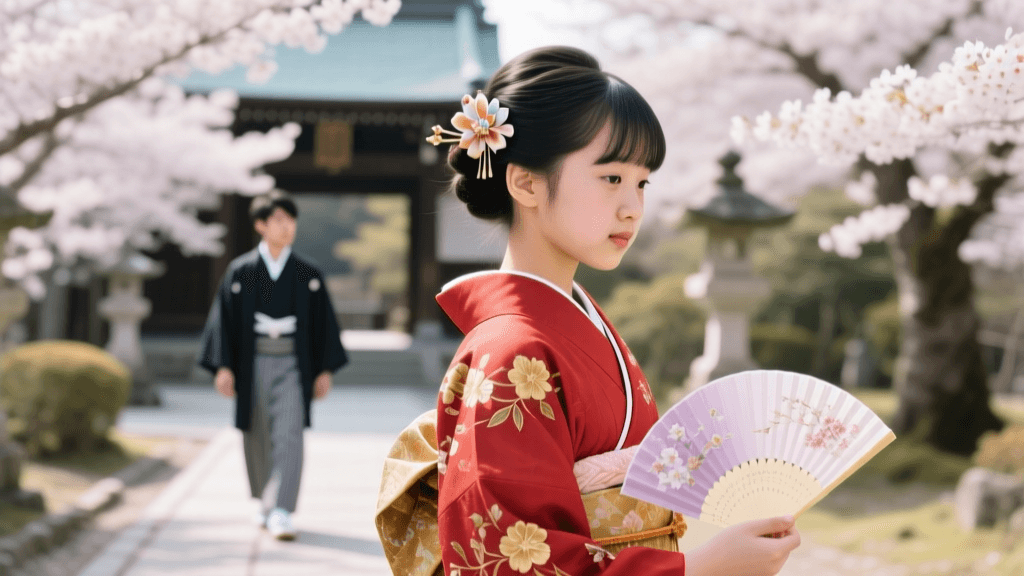
Held annually on November 15th, Shichi-Go-San (Seven-Five-Three) is a rite of passage celebrating the growth and health of young children. The ages of three, five, and seven are considered exceptionally lucky in traditional Japanese numerology. In 2026, families continue to flock to shrines like Meiji Jingu in Tokyo or Kiyomizu-dera in Kyoto, dressed in meticulously curated children's formal wear.
Girls (Ages 3 and 7): The Hifu and Kimono
Three-year-old girls typically wear a bright, patterned kimono paired with a hifu—a padded, sleeveless silk vest that is both adorable and practical for toddlers. The hifu eliminates the need for a complex, tight obi (sash), ensuring the child remains comfortable. By age seven, girls transition into their first furisode (long-sleeved kimono) tied with a proper obi, often adorned with a decorative shigoki (silk sash) and a hakoseko (small decorative pouch) tucked into the front fold.
Boys (Age 5): Hakama and Haori
Five-year-old boys are dressed in a formal hakama (pleated trousers) and a haori (jacket) emblazoned with the family crest (kamon). They carry a traditional fan and wear zori sandals with white tabi socks. The imagery of a five-year-old boy in hakama represents his formal introduction to society as a young man.
Seijin no Hi (Coming of Age): The 20-Year-Old Furisode
Seijin no Hi, or Coming of Age Day, occurs on the second Monday of January. It is arguably the most visually spectacular kimono event of the year. A unique cultural phenomenon has solidified by 2026 regarding the age of this celebration. Despite the national government lowering the legal age of adulthood to 18 in 2022, The Japan Times reported that municipalities overwhelmingly chose to keep the grand ceremonies at age 20. The reasoning was practical: 18-year-olds are typically consumed by university entrance exams, whereas 20-year-olds have the time and financial independence to celebrate.
Women: The Furisode
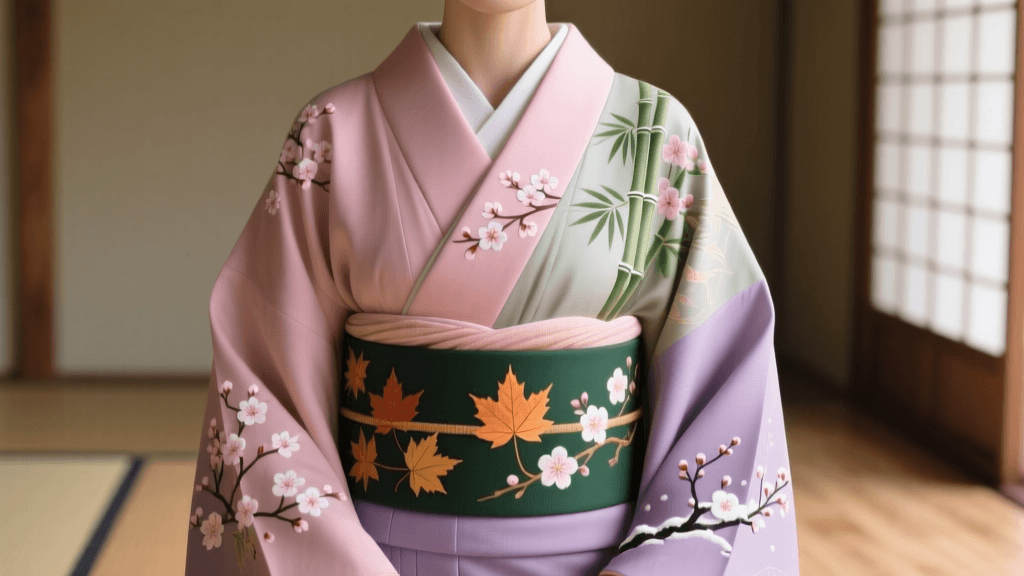
Unmarried young women mark this milestone by wearing a furisode, characterized by its dramatically long, swinging sleeves that can measure up to 114 centimeters in length (the ohfurisode style). The long sleeves historically served to ward off evil spirits and signal availability for marriage. In 2026, popular furisode trends lean heavily into vintage Taisho-era aesthetics, featuring deep jewel tones, retro geometric patterns, and bold floral motifs. The ensemble is completed with a highly decorative date-eri (layered collar), plush zori sandals, and an intricately tied obi in a fukura-suzume (sparrow) or tateya (arrow) knot.
Men: Montsuki Hakama
While many young men opt for Western suits in 2026, those honoring tradition wear a dark, formal montsuki haori hakama. The garment features five family crests and is typically woven from high-grade silk or modern, easy-care synthetic blends designed to mimic the luster of traditional tsumugi silk.
Weddings: Shiromuku, Uchikake, and Montsuki
Japanese weddings involve multiple outfit changes, each symbolizing a different phase of the marital journey. The bridal kimono collection is among the most expensive and intricate in Japanese textile arts.
- Shiromuku: The ceremony begins with the bride wearing a shiromuku, an entirely white ensemble symbolizing purity and her willingness to be 'dyed' in the colors of her new family. It includes a white uchikake (outer robe), a white obi, and a wataboshi or tsunokakushi hood.
- Irouchikake: For the reception, the bride changes into an irouchikake, a heavily padded, vibrant outer robe featuring auspicious motifs like cranes, pine trees, and gold leaf embroidery. Red and gold remain the most popular choices, though 2026 has seen a surge in pastel and jewel-toned uchikake for modern, non-traditional venue weddings.
- Groom's Attire: The groom wears a black montsuki haori hakama with five white family crests. The haori cords (haori himo) are white, and the ensemble is accessorized with a ceremonial fan (sensu).
Kanreki (Age 60): The Red Rebirth
The sixtieth birthday, known as Kanreki, marks the completion of the traditional sexagenary zodiac cycle. The individual is symbolically 'reborn' as a baby. To celebrate this rebirth, the milestone is marked by wearing a chanchanko—a padded, sleeveless vest—and sometimes a boshi (hood), both in vibrant, auspicious red. While traditionally worn over a standard kimono, modern 2026 interpretations often see the red chanchanko styled over casual western clothing or simpler, everyday kimono (komon), blending comfort with deep cultural symbolism during family banquets.
2026 Guide to Sizing, Rentals, and Purchasing
For international visitors, expats, or locals looking to participate in these milestones, navigating the 2026 kimono market requires an understanding of sizing and lead times.
The Sizing Challenge
Traditional kimonos are cut from a single bolt of fabric called a tanmono, which is typically only about 36 centimeters wide. This limits the maximum hip and shoulder width of the garment. In 2026, while vintage rentals are incredibly popular, taller or broader individuals must specifically seek out shops offering king-size or modern-cut kimonos, which are woven on wider looms. Always provide your exact height and hip measurement when booking a rental.
Rental Market Dynamics and Pricing
The rental market has fully embraced digital booking and sustainable practices. Many top-tier rental shops in Kyoto and Tokyo now offer carbon-neutral shipping for online reservations and utilize eco-friendly, waterless cleaning technologies for their silk garments. Because Seijin no Hi and the autumn wedding seasons are immensely competitive, booking a furisode or bridal set requires a lead time of three to six months.
Milestone Garment Comparison Chart (2026)
| Milestone | Age / Occasion | Primary Garment | 2026 Avg. Rental Cost (JPY) | Key Symbolism |
|---|---|---|---|---|
| Shichi-Go-San | Ages 3, 5, 7 | Hifu / Hakama | ¥10,000 - ¥18,000 | Health, growth, and childhood protection |
| Seijin no Hi | Age 20 | Furisode / Montsuki | ¥25,000 - ¥80,000 | Adulthood, societal responsibility, availability |
| Wedding (Bride) | Marriage | Shiromuku / Uchikake | ¥150,000 - ¥300,000+ | Purity, rebirth, and auspicious prosperity |
| Kanreki | Age 60 | Red Chanchanko | ¥5,000 - ¥12,000 | Completion of the zodiac cycle, rebirth |
Final Thoughts on Preserving the Timeline
Whether you are dressing a toddler for their first shrine visit or celebrating a sixtieth birthday, the kimono remains a powerful conduit for Japanese cultural memory. In 2026, the act of wearing these garments is a conscious choice to honor the past while stepping into the future. By understanding the specific rules, styles, and meanings attached to each life stage, participants ensure that these beautiful traditions continue to thrive in the modern era.