Kimono Dressing As Mindfulness: Slow Fashion Wellness 2026
The Intersection of Kitsuke and Mindfulness
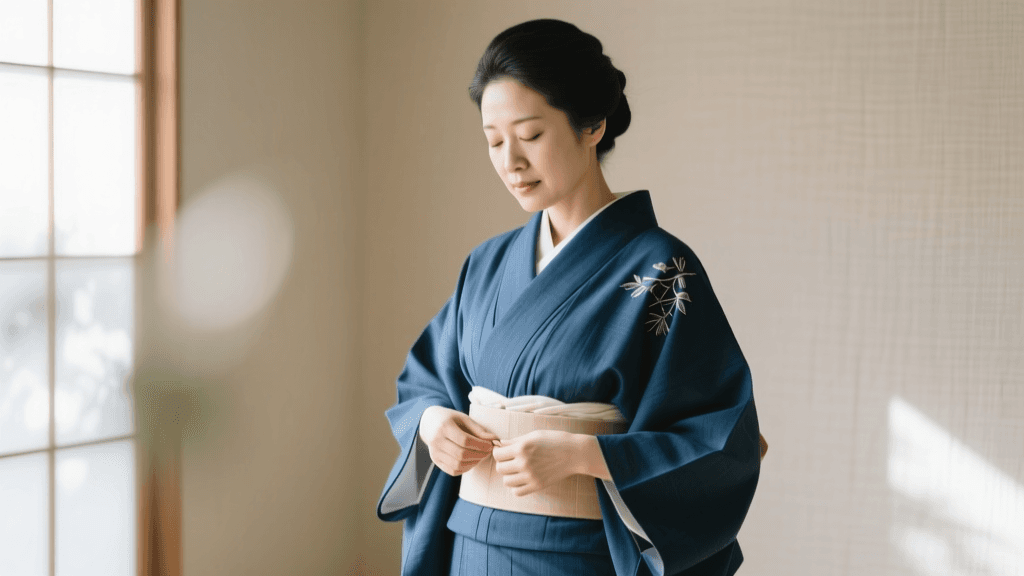
In an era dominated by rapid digital consumption, algorithmic micro-trends, and the relentless pace of modern life, the year 2026 has seen a profound cultural counter-movement toward intentional living. At the heart of this movement is the intersection of traditional Asian garments and mental wellbeing. Specifically, the Japanese art of kitsuke (the formalized practice of dressing in a kimono) is experiencing a renaissance—not merely as a sartorial choice, but as a powerful, tactile mindfulness practice. For practitioners of slow fashion and holistic wellness, the kimono offers a physical anchor to the present moment, transforming the daily act of getting dressed into a moving meditation.
Unlike Western clothing, which is often designed for rapid donning and utilitarian convenience, the kimono requires a deliberate, multi-layered approach. The process demands fine motor skills, spatial awareness, and rhythmic breathing. In 2026, wellness retreats in Kyoto and global mindfulness centers alike are incorporating kitsuke workshops into their mental health programs, recognizing that the deliberate wrapping of silk and cotton around the body creates a psychological boundary against external stressors.
Slow Fashion as a Wellness Pillar in 2026
The global wellness economy in 2026 increasingly recognizes that personal health is inextricably linked to planetary health. The psychological burden of "eco-anxiety" has driven consumers away from disposable garments and toward circular, heritage-based fashion. The kimono is inherently a masterpiece of slow fashion. Traditionally woven from a single bolt of fabric (the tanmono), it is designed to be taken apart, cleaned, re-dyed, and resewn across generations.
According to the Ellen MacArthur Foundation, circular fashion systems that prioritize garment longevity and emotional durability are critical to reducing the textile industry's carbon footprint. By participating in the secondhand kimono market—sourcing vintage komon (everyday patterned kimono) or tsumugi (pongee silk) from specialized recyclers—practitioners engage in a sustainable loop. This conscious consumption fosters a sense of purpose and alignment with personal values, which Harvard Health Publishing identifies as a core component of long-term stress reduction and emotional resilience.
The Mindful Kitsuke Routine: A Step-by-Step Guide
To utilize kitsuke as a wellness practice, one must shift the goal from "getting dressed quickly" to "experiencing the process." Here is a 20-minute mindful dressing routine designed for 2026 practitioners seeking mental clarity.
1. Centering and Preparation (3 Minutes)
Begin in seiza (kneeling) or a comfortable seated position. Lay out your garments in the exact order of use: hadajuban (skin undergarment), nagajuban (under-robe), the main kimono, koshihimo (hip cords), datejime (wide bands), and the obi (sash). Practice box breathing (inhale for 4 seconds, hold for 4, exhale for 4, hold for 4) while visually tracing the patterns on the silk. Acknowledge the artisans who wove the fabric decades ago.
2. The Foundation Layers (5 Minutes)
Put on the hadajuban and nagajuban. Focus on the tactile sensation of the cotton or hemp against your skin. When tying the first koshihimo under the bust, use the physical pressure of the cord as a grounding technique. The firm, even pressure provides deep proprioceptive input, similar to a weighted blanket, which calms the nervous system.
3. Aligning the Kimono (7 Minutes)
Drape the main kimono over your shoulders. The critical mindful step here is aligning the sei-eri (the center back seam) perfectly with your spine. This requires reaching behind your back and adjusting the fabric with closed eyes, relying purely on touch and spatial intuition. As you pull the front panels taut, ensure the left side overlaps the right. The physical act of wrapping yourself creates a literal and metaphorical "holding environment," promoting feelings of safety and containment.
4. Tying the Obi and Final Adjustments (5 Minutes)
Wrapping the obi requires core engagement and controlled exhalations. As you pull the sash tight around your waist, exhale slowly. The restriction of the obi naturally forces you to breathe from your upper chest and diaphragm in a measured, deliberate way. Finally, adjust the eri (collar) at the nape of the neck, leaving a fist-sized gap (eri-nuki). This gap allows the skin to breathe and serves as a physical reminder to keep your posture upright and your mind open.
Comparative Analysis: Fast Fashion vs. Mindful Kitsuke
Understanding the psychological and environmental contrasts between modern dressing habits and traditional kitsuke highlights why the latter is a superior wellness tool.
| Practice Element | Fast Fashion Dressing | Mindful Kitsuke (2026) |
|---|---|---|
| Time Investment | 3-5 minutes (rushed) | 20-45 minutes (deliberate) |
| Cognitive State | Autopilot, often multitasking | Flow state, single-tasking focus |
| Garment Lifespan | 6-12 months before disposal | 50-100+ years (heirloom circularity) |
| Sensory Engagement | Low (synthetic blends, static cuts) | High (natural silk, dynamic wrapping) |
| Posture & Breath | Unrestricted, often slouched | Supported core, regulated breathing |
Curating a Wellness-Focused Kimono Wardrobe
Building a mindful kimono wardrobe in 2026 does not require the exorbitant prices of brand-new, bespoke silk. The most sustainable and economically viable route is the vintage market. Sourcing pre-loved garments aligns with the wabi-sabi philosophy—finding beauty in age, wear, and imperfection.
2026 Starter Wardrobe Cost Breakdown
- Vintage Silk Komon (Everyday Pattern): $90 - $150. Look for pieces from the 1970s and 1980s, which feature durable synthetic linings and vibrant, colorfast dyes.
- Hanhaba Obi (Casual Sash): $40 - $70. Often upcycled from damaged vintage maru obi, these are perfect for beginners and require no complex folding.
- Modern Washable Nagajuban (Under-robe): $60. While vintage outer layers are preferred, modern cotton or bamboo-blend undergarments offer hygiene and ease of care.
- Koshihimo & Datejime (Tying Cords and Bands): $25 for a complete set of modern, elasticized versions that reduce physical strain while maintaining traditional aesthetics.
- Total Initial Investment: $215 - $305. This one-time cost yields a lifetime wardrobe, drastically reducing cost-per-wear compared to seasonal fast fashion hauls.
Accessible Mindfulness: Haori and Samue
For days when a full kitsuke routine is impractical, the wellness principles of traditional Japanese clothing can still be applied through lighter garments. The haori (a hip- or thigh-length kimono-style jacket) can be thrown over modern, minimalist clothing. The weight of the silk and the drape of the sode (sleeves) provide a gentle, grounding sensory input throughout the workday.
Similarly, the samue (traditional Japanese work clothes, typically made of cotton or hemp) has become a staple in 2026 for remote workers and artists. The loose, breathable cut allows for unrestricted movement during yoga or stretching, while the natural fibers regulate body temperature and reduce the micro-plastic shedding associated with modern synthetic athleisure. Engaging with these natural textiles keeps the wearer connected to the earth, fostering a continuous, low-level mindfulness that persists long after the formal dressing ritual is complete.
Conclusion: Wrapping the Mind in Tradition
The revival of the kimono as a wellness tool in 2026 represents a beautiful synthesis of ancient wisdom and modern psychological needs. By treating kitsuke not as a rigid set of rules, but as a fluid, meditative practice, we reclaim our time, our posture, and our mental space. In a world that constantly demands we move faster, the deliberate, layered embrace of the kimono gives us permission to slow down, breathe deeply, and wrap ourselves in the quiet resilience of tradition.