Top Japanese Fashion Blogs Documenting Kimono in 2026
The Digital Renaissance of Wafuku Journalism
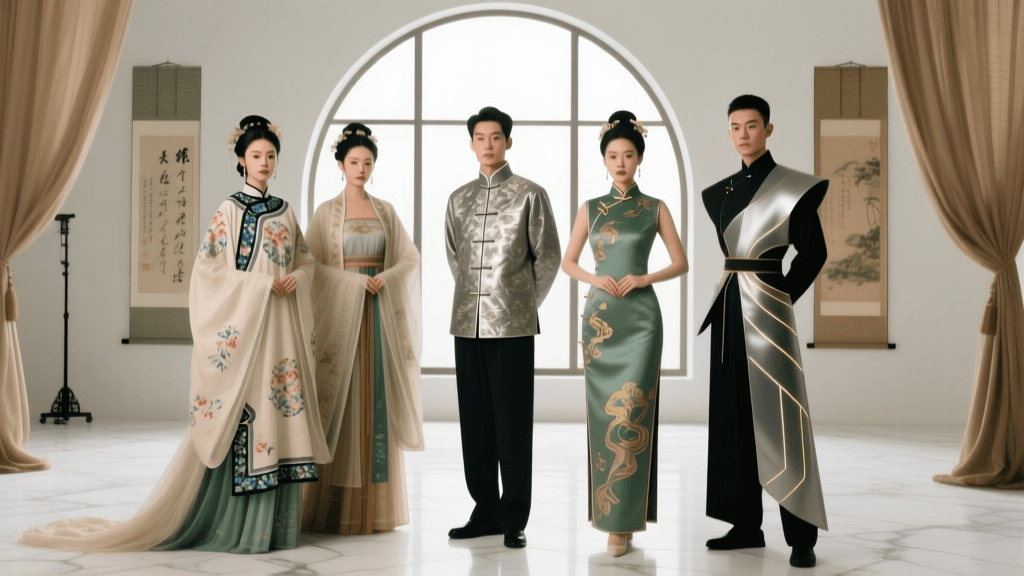
In 2026, the landscape of Japanese fashion journalism has undergone a seismic shift, particularly in how traditional garments are documented, analyzed, and celebrated. The kimono, once relegated to the pages of niche print magazines aimed primarily at older demographics or practitioners of traditional arts, has found a vibrant new life in the digital sphere. Today, a new generation of fashion bloggers, independent digital magazines, and street-style photographers are redefining wafuku (traditional Japanese clothing) journalism. They are bridging the gap between centuries-old textile heritage and the fast-paced, hyper-connected world of modern global fashion.
This digital renaissance is not merely about aesthetics; it is a comprehensive cultural movement. Modern Japanese fashion journalists are treating the kimono, yukata, and hakama with the same analytical rigor and trend-forecasting depth that Western media applies to Parisian haute couture or Milanese ready-to-wear. By leveraging interactive digital layouts, augmented reality (AR) styling tools, and deep-dive investigative pieces into artisan supply chains, these online platforms are ensuring that traditional garments remain relevant, accessible, and highly sought after by Gen Z and Millennial audiences worldwide.
The Titans of Digital Wafuku Media
At the forefront of this movement are established publications that have successfully pivoted to digital-first models. Utsukushii Kimono (Beautiful Kimono), long considered the gold standard for traditional garment enthusiasts, has transformed its digital presence in 2026 into an interactive multimedia hub. Their online editors now publish weekly video essays detailing the intricate natural dyeing techniques of master artisans in Kyoto, alongside SEO-optimized guides on how to properly fold, store, and maintain vintage silk garments. Their integration of AR technology allows readers to visualize how different obi knots and color palettes will look on various body types before making a purchase.
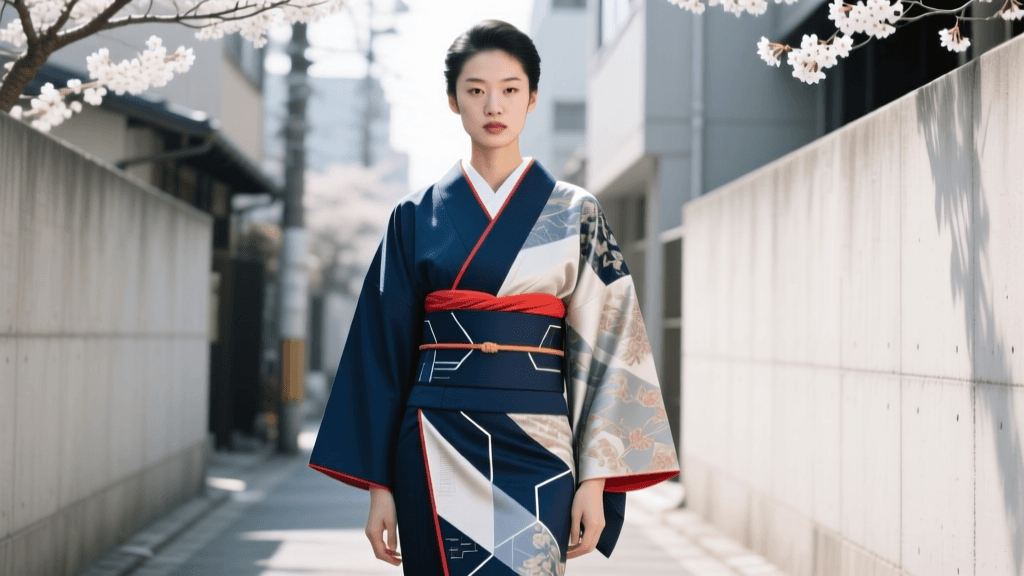
On the street-style front, platforms like Tokyo Fashion have been instrumental in documenting the organic integration of traditional pieces into everyday avant-garde wardrobes. Their photographers regularly capture Harajuku and Shimokitazawa youth pairing vintage, secondhand haori jackets with modern techwear, or styling pleated hakama trousers with chunky sneakers. This specific brand of visual journalism has been crucial in dismantling the notion that traditional garments are strictly for formal ceremonies, proving instead that they are highly adaptable components of contemporary street fashion.
Independent Blogs and the Secondhand Market Boom
Perhaps the most exciting development in 2026 is the explosion of independent fashion blogs and Substack newsletters dedicated to the secondhand kimono market. As sustainability becomes a non-negotiable pillar of modern fashion journalism, indie writers are treating vintage kimono markets with the same fervor that sneakerheads apply to limited-edition drops. Blogs focusing on the labyrinthine antique markets of Tokyo, such as the Oedo Antique Market, provide readers with real-time pricing data, authentication tips, and negotiation strategies for sourcing pre-war silk and hand-painted yuzen textiles.
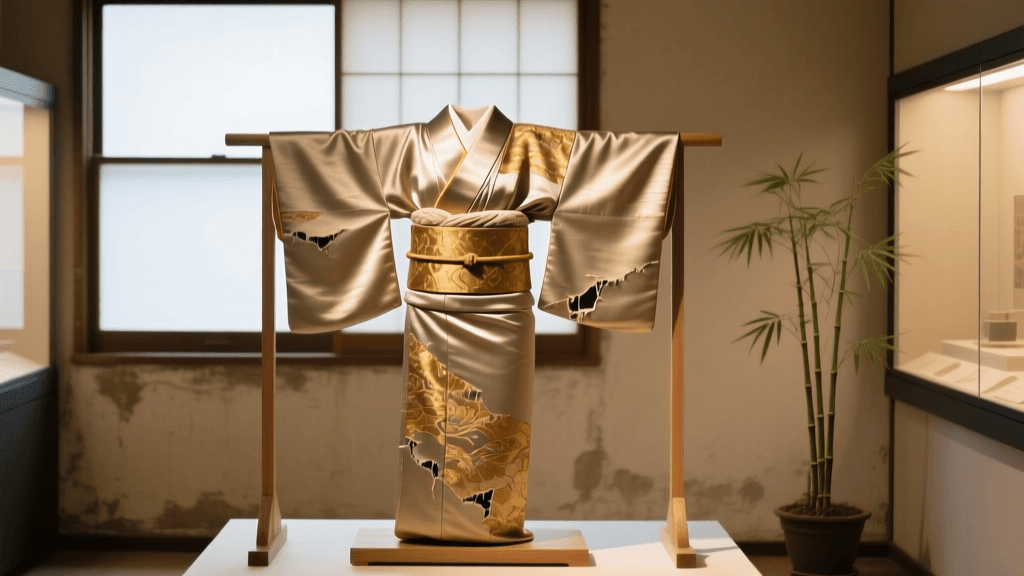
These independent journalists are also highlighting the upcycling movement. They document how young designers are deconstructing damaged or stained vintage kimono to create modern silhouettes, patchwork outerwear, and accessories. By framing the secondhand market not as a graveyard for forgotten clothes, but as a treasure trove of sustainable, high-craftsmanship textiles, these blogs are driving a massive surge in international demand for vintage wafuku.
Weather Adaptations: Yukata vs. Jinbei in the Summer Heat
A major focus for Japanese digital fashion magazines in 2026 has been the practical intersection of traditional garments and extreme weather adaptations. With summer heatwaves becoming more intense, fashion journalists have dedicated extensive editorial space to the ongoing debate of yukata versus jinbei. While the cotton yukata remains a staple for summer festivals, digital lifestyle magazines are heavily promoting the jinbei—a two-piece top and shorts set originally worn as loungewear by men—as the ultimate gender-neutral, climate-adaptive garment.
Online reviews and comparison guides now routinely test the breathability, moisture-wicking capabilities, and drape of modern hemp-blend jinbei against traditional cotton yukata. Journalists are collaborating with textile engineers to review innovative cooling undergarments designed specifically to be worn beneath traditional layers, ensuring that wearers can maintain the elegant silhouette of wafuku without succumbing to heat exhaustion. This practical, problem-solving approach to fashion journalism has made traditional summer wear far more accessible to the modern urban commuter.
Global Runways and Traditional Theater Costumes
The influence of Japanese digital fashion journalism extends far beyond domestic street style; it is actively shaping global runways. In 2026, international trend forecasters closely monitor Japanese blogs that cover the intersection of traditional theater costumes and modern design. Niche digital magazines that analyze the vibrant, exaggerated embroidery and structural silhouettes of Kabuki and Noh theater costumes are providing a wealth of inspiration for global luxury houses.
By providing high-resolution macro photography and historical context regarding the symbolism woven into these theatrical garments, Japanese fashion journalists are ensuring that when international designers borrow from these traditions, they do so with a foundation of knowledge and respect. This educational aspect of fashion journalism serves as a vital bulwark against cultural appropriation, guiding the global industry toward genuine cultural appreciation and collaboration with Japanese artisans.
Comparison Chart: Top Digital Platforms for Wafuku Journalism
To navigate the diverse ecosystem of Japanese fashion media, readers and industry professionals must understand the distinct editorial focus of each platform. Below is a structured comparison of the leading digital spaces documenting traditional garments in 2026.
| Platform / Publication | Primary Editorial Focus | Primary Format | Standout 2026 Feature |
|---|---|---|---|
| Utsukushii Kimono Digital | Heritage, Formal Styling, Artisan Profiles | Interactive Web Magazine | AR Obi-Knot Try-On Tool |
| Tokyo Fashion | Street Style, Subcultures, Wafuku-Techwear Mix | Visual Blog / Photography | Weekly Harajuku Vintage Haori Spotlights |
| Wafuku & Sustainability Substacks | Secondhand Markets, Upcycling, Textile History | Newsletter / Long-form Essays | Real-Time Vintage Silk Pricing Indexes |
| Kimono Style Tokyo (Indie) | Everyday Wear, Weather Adaptations, Jinbei | Video Essays / Social Media | Thermal Testing of Summer Cooling Layers |
Actionable Advice for Aspiring Wafuku Fashion Writers
For those looking to enter the niche but rapidly growing field of traditional Asian garment journalism, the digital landscape of 2026 offers unprecedented opportunities. However, success requires a blend of cultural literacy, technical knowledge, and digital savvy. Here is actionable advice for aspiring writers and bloggers:
- Master the Textile Terminology: Your credibility hinges on accurate vocabulary. Understand the differences between shibori (tie-dye), yuzen (resist dyeing), and tsuzure-ori (tapestry weave). Utilize authoritative resources like the Kyoto Costume Institute Digital Archives to verify historical and technical terms before publishing.
- Focus on the Supply Chain: Modern readers care deeply about provenance. Do not just review the final garment; investigate the silk farmers in Gunma, the dyers in Kanazawa, and the weavers in Nishijin. Ethical and sustainable sourcing is a major editorial pillar in 2026.
- Embrace Practical Styling Guides: The biggest barrier to entry for wafuku is the perceived difficulty of dressing. Create highly detailed, step-by-step visual guides on how to tie a bunko obi knot, how to use modern koshi-himo (ties) for comfort, and how to adapt vintage pieces for contemporary office wear.
- Contextualize with History: When covering avant-garde adaptations of traditional garments, always provide the historical baseline. Referencing the structural evolution of the kosode into the modern kimono, drawing on data from institutions like the Victoria and Albert Museum Asian Collections, adds immense editorial weight to your trend reports.
- Leverage Bilingual SEO: To capture both domestic and international audiences, optimize your content with both English and Japanese keywords. Terms like 'vintage kimono styling 2026' and 'furisode secondhand market guide' are highly lucrative search queries with relatively low competition.
Conclusion
The evolution of Japanese fashion journalism in 2026 proves that tradition and innovation are not mutually exclusive; rather, they are deeply symbiotic. Through the lenses of independent bloggers, digital-first magazines, and street-style photographers, the kimono and its associated garments are being continuously recontextualized for the modern era. By focusing on sustainability, practical weather adaptations, and deep historical education, these digital platforms are not just reporting on fashion—they are actively ensuring the survival and global proliferation of Asia's most magnificent sartorial heritage. For readers, collectors, and designers alike, following these digital journalists is no longer optional; it is essential for understanding the future of global fashion.