Modern Japanese Hakama and Tabi Footwear Styling 2026
The Resurgence of Hakama in Contemporary 2026 Fashion
As we navigate the fashion landscape of 2026, the boundary between heritage craftsmanship and contemporary haute couture has never been more fluid. Traditional Japanese garments, once reserved strictly for martial arts, tea ceremonies, or formal life stages, are experiencing a profound renaissance in global street style and international design. At the forefront of this movement are the hakama (pleated trousers or skirts) and tabi (split-toe footwear). No longer just historical artifacts, these pieces are being reimagined for the modern wardrobe, blending Zen spirituality with cutting-edge sustainable textiles. This comprehensive guide explores how to source, style, and preserve these iconic garments in 2026.
The Anatomy of Hakama: Silhouettes and Weaving Methods
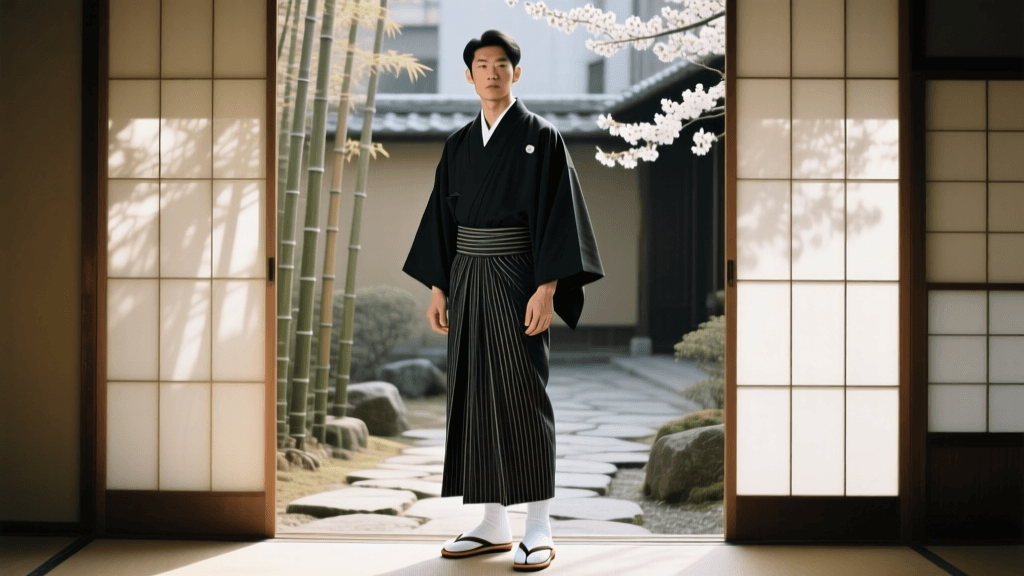
The hakama is characterized by its deep, structured pleats—traditionally five in the front and three in the back, symbolizing various philosophical virtues. In 2026, the two primary silhouettes remain the umanori (divided-leg, horse-riding style) and the andon (undivided, lantern-like skirt). While the umanori offers greater mobility and is favored for travel and active lifestyles, the andon provides a fluid, draped elegance that has caught the eye of Parisian and Milanese runways this year.
The true luxury of a hakama lies in its weaving method. Traditional Kurume kasuri, a complex tie-dye weaving technique where threads are resist-dyed before weaving, remains highly sought after for its breathable cotton and intricate, slightly blurred geometric patterns. For formal occasions, Sendai hiragumo silk, featuring a subtle herringbone weave, offers a lightweight yet structured drape. According to the Metropolitan Museum of Art's comprehensive overview of Japanese clothing, the structural integrity of these garments relies heavily on the precise tension of the loom, a skill that artisan cooperatives in Japan are actively preserving through government-subsidized apprenticeship programs in 2026.
Tabi and Zori: Grounding Your Silhouette
No hakama ensemble is complete without the proper foundation: the tabi and zori. The tabi's iconic split-toe design, originally created to accommodate the thong of traditional sandals, has transcended its utilitarian roots. In 2026, contemporary iterations of the tabi utilize stretch organic cotton and recycled elastane blends, offering the traditional aesthetic with modern athletic comfort. When sizing tabi, it is crucial to measure your foot in centimeters, as Japanese sizing does not rely on arbitrary Western numbers. A proper fit should feel like a second skin, with no excess fabric bunching at the heel.
The fastening mechanism of the tabi involves kohaze (metal clasps). Everyday tabi typically feature four kohaze, while formal and martial arts tabi feature five, extending higher up the calf to ensure the fabric remains taut beneath the hakama's hem. Paired with zori (flat sandals with a hanao thong), the footwear ensemble grounds the voluminous pleats of the hakama, creating a balanced, triangular silhouette that is a hallmark of Japanese design.
The Sensory Experience and Zen Spirituality of Kitsuke
Dressing in traditional Japanese clothing, known as kitsuke, is not merely a routine; it is a mindful practice deeply rooted in Zen spirituality. The sensory experience begins with the crisp sound of silk or stiff cotton rustling as the pleats are aligned. Tying the himo (long woven strings) of the hakama requires focused breathing and deliberate movement, transforming the act of getting dressed into a moving meditation. In 2026, wellness advocates and slow-fashion proponents are championing kitsuke as a daily ritual to cultivate mindfulness, intentionality, and a deeper connection to the garments we wear.
Life Stages, Education, and International Design
The hakama holds profound significance across various Japanese life stages. Most notably, it is the standard attire for university graduation ceremonies. In March 2026, thousands of graduates will pair intricately dyed furisode kimono with solid-colored andon hakama, a tradition that bridges the gap between youthful celebration and adult responsibility. Furthermore, the intersection of these traditional silhouettes with global fashion is well-documented by institutions like the Victoria and Albert Museum's Asia Collections, which highlight how international designers continuously deconstruct and adapt the hakama pleat to challenge Western tailoring norms.
2026 Buyer's Guide: Sourcing Authentic Hakama and Tabi
Sourcing authentic, high-quality garments requires navigating both heritage boutiques in Kyoto and specialized international retailers. Below is a structured guide to the market landscape and pricing for 2026.
| Garment / Accessory | Material & Weave | 2026 Estimated Price (USD) | Primary Use Case |
|---|---|---|---|
| Umanori Hakama (Unisex) | Kurume Kasuri Cotton | $140 - $220 | Daily wear, travel, tea ceremony |
| Andon Hakama (Formal) | Silk-Blend Jacquard | $350 - $600 | Graduations, international design showcases |
| 4-Kohaze Tabi | Stretch Organic Cotton | $28 - $45 | Everyday wear, pairing with modern footwear |
| 5-Kohaze Formal Tabi | White Quilted Cotton | $55 - $85 | Formal ceremonies, martial arts |
| Hanao Zori Sandals | Woven Rush & Recycled Leather | $70 - $120 | Outdoor wear, festivals, temple visits |
Preservation, Trade, and Care for Traditional Garments
Preserving these garments ensures they can be passed down through generations, aligning with the 2026 ethos of sustainable fashion and circular trade. Hakama should never be machine-washed. Cotton kasuri can be gently hand-washed in cold water with a pH-neutral detergent, while silk blends must be professionally dry-cleaned by specialists who understand Japanese textiles. After wearing, the hakama must be meticulously folded along its original pleat lines using a specialized folding board (hakama-ita) to maintain its structural memory.
When traveling, store your hakama in a breathable cotton tatoushi (garment envelope) rather than plastic, which can trap moisture and lead to mold. For tabi, allow them to air dry completely in a shaded, well-ventilated area before storing. By investing in authentic, artisan-made pieces and caring for them properly, you participate in a global trade network that values human craftsmanship, cultural preservation, and the timeless elegance of Japanese fashion.