Hanfu Storage Rotation and Seasonal Care Guide 2026
Introduction to Hanfu Preservation in 2026
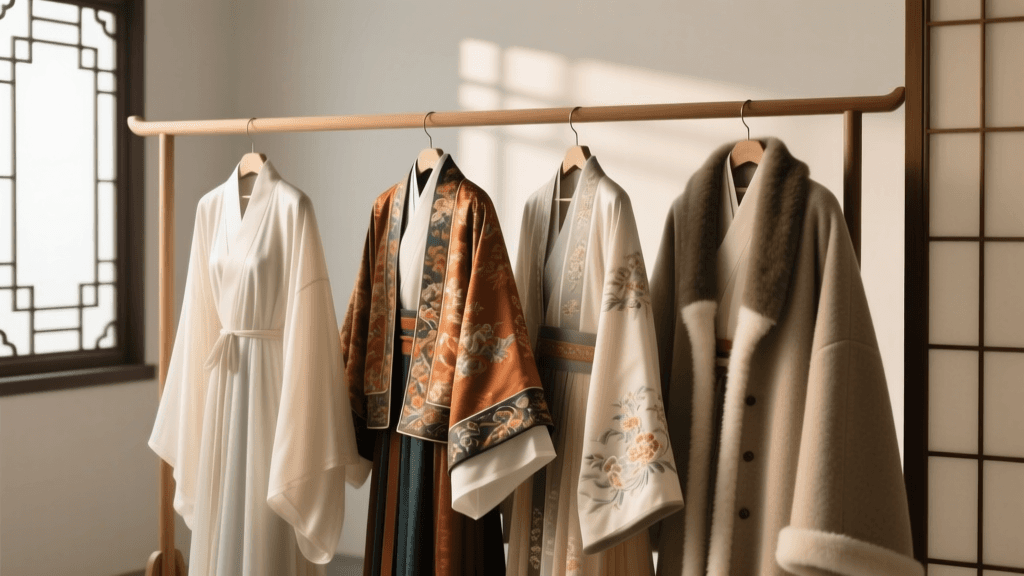
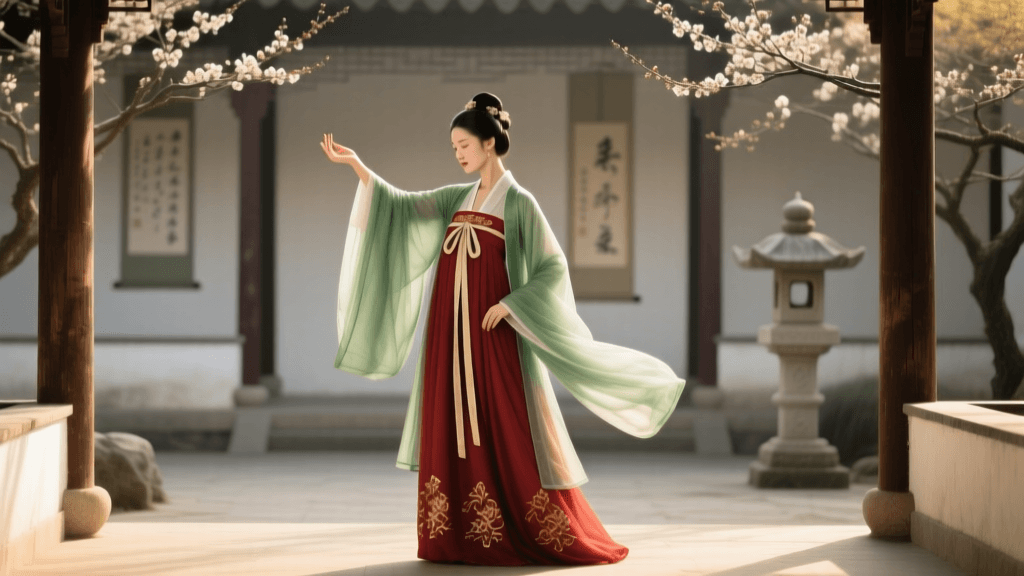
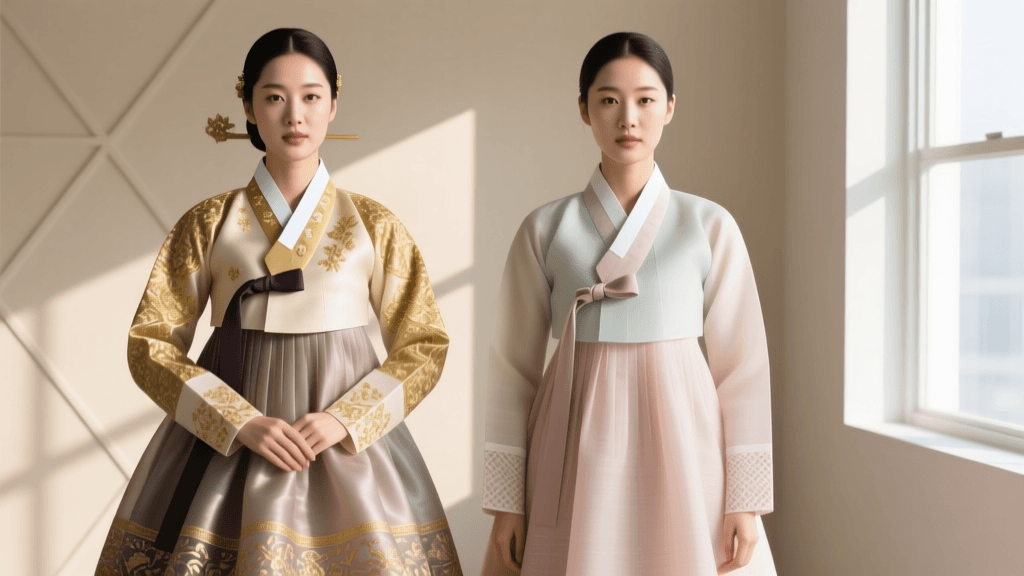
As the global appreciation for traditional Chinese garments continues to flourish in 2026, the Xin Zhongshi (new Chinese style) movement has transitioned from a niche hobby into a mainstream wardrobe staple. For dedicated enthusiasts and collectors, a Hanfu wardrobe is no longer just a few summer dresses; it is a curated collection of historical reproductions, intricate Mamianqun (horse-face skirts), delicate Song dynasty-style Beizi, and heavy winter brocades. However, the very materials that make Hanfu so breathtaking—mulberry silk, raw linen, metallic threads, and natural dyes—are highly susceptible to environmental degradation. Proper Hanfu storage rotation and seasonal maintenance are critical to ensuring these garments survive for generations. This comprehensive 2026 guide will walk you through the science of textile preservation, seasonal rotation schedules, and the exact archival materials you need to protect your investment.
The Science of Silk and Natural Fiber Degradation
To understand why specific storage methods are required, we must first look at the molecular structure of Hanfu fabrics. Silk is a natural protein fiber composed primarily of fibroin. According to the Smithsonian Museum Conservation Institute, protein fibers are exceptionally vulnerable to three main threats: prolonged exposure to ultraviolet light, fluctuating humidity levels, and acidic environments. When silk is stored in standard cardboard boxes or wrapped in conventional plastic dry-cleaning bags, the off-gassing of acids and the trapping of moisture lead to a phenomenon known as 'silk shattering,' where the fibers become brittle and tear under their own weight.
Furthermore, modern Hanfu manufacturers in 2026 frequently utilize complex weaving techniques that integrate synthetic metallic threads, plastic-based sequins, and heavy embroidery. These mixed-media elements react differently to temperature changes than the base silk, meaning that improper folding can cause permanent creasing, snagging, or chemical transfer between the embellishments and the fabric.
Seasonal Rotation Schedule for Hanfu Garments
Rotating your Hanfu collection is not merely about swapping out winter clothes for summer ones; it is a vital preservation tactic. Keeping garments in storage for more than six months without inspection increases the risk of unnoticed pest infestations and permanent fold-line degradation. Here is the optimal rotation schedule for the modern Hanfu collector.
Spring to Summer Transition (April - May)
As the weather warms, it is time to pack away heavy winter garments such as velvet-lined Ao, thick wool-blend Mamianqun, and heavy brocade Pifeng. Before storing, every garment must be cleaned. Even if a winter coat was only worn once, invisible body oils and microscopic food particles will attract carpet beetles and clothes moths. Hand-wash lightweight silks using a pH-neutral detergent like Eucalan, and take heavily structured winter pieces to a dry cleaner experienced in handling traditional garments. Allow all items to air dry completely in a shaded, well-ventilated area for at least 48 hours to ensure zero residual moisture remains in the seams.
Autumn to Winter Transition (October - November)
During the autumn shift, you will be storing your lightweight Luo (gauze) and Juan (thin silk) summer garments. These delicate fabrics are highly prone to snagging. Inspect each piece for loose threads or pulled embroidery before packing. This is also the ideal time to air out your winter garments. Unfold your heavy brocades and hang them in a shaded room with cross-ventilation for 24 hours to dissipate any stale odors from long-term storage before wearing them.
Essential Archival Storage Materials for 2026
Upgrading your storage supplies is the single most effective way to extend the lifespan of your Hanfu. The Canadian Conservation Institute strongly recommends using chemically stable, inert materials for long-term textile storage. Below is a comparison of the essential materials you should be utilizing in 2026.
| Storage Material | pH Level | 2026 Avg Cost | Best Use Case |
|---|---|---|---|
| Archival Methods Acid-Free Tissue | 7.0 - 8.5 (Buffered) | $28 per ream | Padding folds, wrapping silk, preventing creases |
| Unbleached Cotton Muslin Bags | Neutral | $18 per 5-pack | Dust protection, allowing fibers to breathe |
| Lineco Corrugated Archival Boxes | 8.5 (Buffered) | $35 per box | Long-term stacking, protecting from light and crushing |
| Eastern Red Cedar Blocks | N/A | $22 per pack | Natural pest deterrence, moisture absorption |
| Govee Wi-Fi Hygrometer (2026 Ed.) | N/A | $45 per unit | Real-time climate monitoring via smartphone app |
Step-by-Step Folding and Packing Technique
The way you fold a Mamianqun or a Ruqun dictates whether it will emerge from storage pristine or ruined. Never fold a garment directly on top of itself without a barrier, and never fold directly over metallic threads or heavy embroidery.
- Step 1: Prepare the Surface. Lay a clean, freshly washed cotton sheet over a large, flat table. Ensure your hands are clean and free of lotions or oils.
- Step 2: The Tissue Roll Method. Take sheets of acid-free tissue paper and loosely roll them into 'sausages.' Place these tissue rolls inside every major fold of the garment. This prevents hard creases from forming and stops the fabric from crushing its own fibers.
- Step 3: Protect the Embellishments. If your Mamianqun features raised gold-foil weaving or 3D embroidery, place a thick layer of acid-free tissue directly over the embellished panel before folding the skirt. This prevents the metallic threads from snagging the opposite side of the fabric.
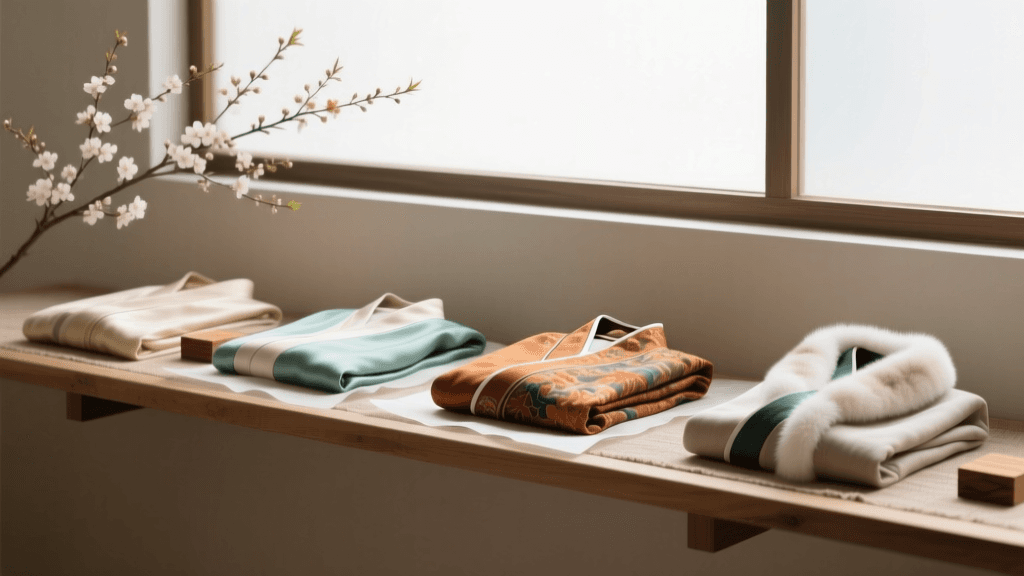
- Step 4: Muslin Wrapping. Once folded, wrap the garment loosely in an unbleached cotton muslin bag. Avoid plastic bins or vacuum-sealed bags, as silk requires a micro-exchange of air to prevent the buildup of acidic off-gassing and trapped humidity.
- Step 5: Box Placement. Place the wrapped garment into an archival corrugated box. Add a few cedar blocks to the corners of the box, ensuring they do not directly touch the fabric by wrapping the cedar in a small piece of muslin.
Handling Metallic Threads and Modern Embellishments
The Hanfu market in 2026 has seen a massive surge in the use of 'Zari' style threads—synthetic cores wrapped in ultra-thin metallic foils. While visually stunning under light, these threads are highly reactive to humidity and friction. If stored in a damp environment, the metallic foil can oxidize, turning black or green, and permanently staining the surrounding silk. To prevent this, collectors storing heavily embellished Ming-style Ao and skirts should include silica gel desiccant packets (specifically the indicating type that changes color when saturated) inside their archival boxes to maintain a strictly controlled micro-climate. Replace or recharge these desiccants every six months during your seasonal rotation.
Climate Control and Pest Management
The environment in which you store your Hanfu is just as important as the materials you use. The ideal storage environment for silk and natural fibers is a consistent temperature of 65°F (18°C) with a relative humidity (RH) of 50%. Fluctuations in humidity cause fibers to expand and contract, leading to structural fatigue. Utilizing a smart device like the 2026 edition of the Govee Wi-Fi Hygrometer allows you to monitor your closet or storage room's climate remotely, receiving push notifications if the humidity spikes above 60% or drops below 40%.
When it comes to pest management, never use traditional mothballs (naphthalene or paradichlorobenzene). These chemicals are highly toxic, emit a noxious odor that is nearly impossible to remove from silk, and can actually melt synthetic embellishments. Instead, rely on an Integrated Pest Management (IPM) approach. Eastern red cedar blocks naturally repel moths through their aromatic oils. Sand the cedar blocks lightly every six months to refresh the oils. Additionally, dried lavender sachets can be placed in the storage room to deter insects, provided they are kept in breathable cotton bags and never placed in direct contact with the silk, as the natural oils in lavender can cause lipid staining over time.
Conclusion
Maintaining a Hanfu collection is a labor of love that bridges the gap between ancient textile traditions and modern preservation science. By adhering to a strict seasonal rotation schedule, investing in archival-quality storage materials, and monitoring your storage environment, you ensure that your garments remain as vibrant and structurally sound as the day you acquired them. As we move through 2026, treating your Hanfu not just as clothing, but as preservable cultural artifacts, will guarantee that these beautiful pieces can be worn, admired, and eventually passed down to the next generation of enthusiasts.