2026 Hanfu Storage Rotation & Seasonal Maintenance Guide
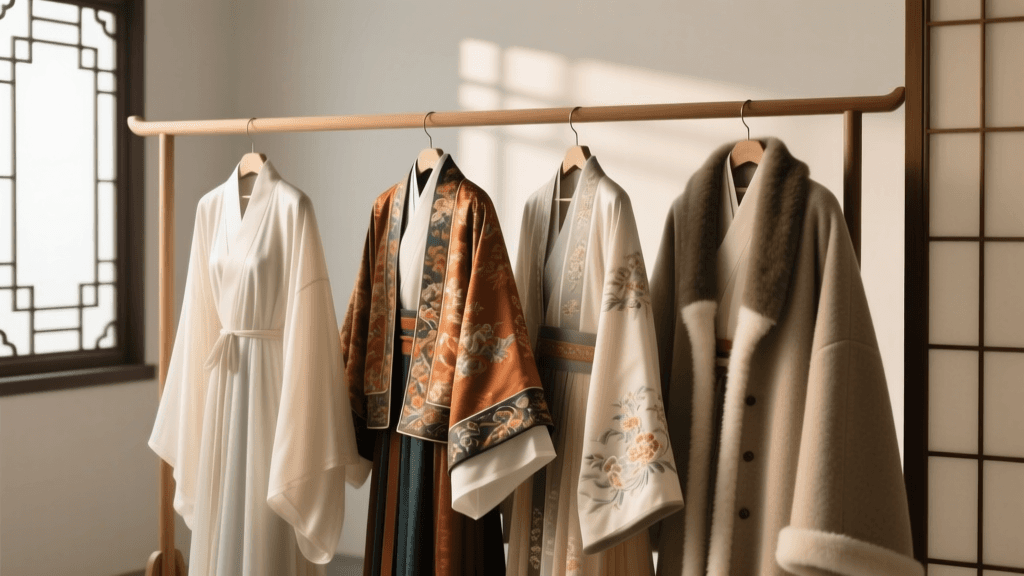
As the global appreciation for traditional Chinese clothing continues to flourish in 2026, building a Hanfu wardrobe is no longer just a passing hobby; it is a significant cultural and financial investment. From the flowing elegance of Song dynasty Beizi to the structured majesty of Ming dynasty Aoqun and Mamianqun (horse-face skirts), these garments require meticulous care. Transitioning between the humid heat of summer and the dry, static-prone winter months presents unique challenges for natural fibers. This comprehensive 2026 Hanfu storage rotation and seasonal maintenance guide will help you preserve the structural integrity, vibrant dyes, and historical authenticity of your collection for generations to come.
The 2026 Seasonal Rotation Calendar
A successful Hanfu closet relies on a proactive rotation schedule rather than reactive storage. In 2026, with shifting global climate patterns causing unseasonal humidity spikes, relying on a strict calendar is essential.
- Spring Transition (March - April): This is the time to retire heavy winter brocades and wool-lined Ao (jackets). Before storing, these pieces must be professionally cleaned to remove microscopic skin cells and oils that attract pests during the warmer months.
- Summer Peak (June - August): Lightweight silks, Xia Bu (summer linen/ramie), and thin gauze Ruqun are in heavy rotation. Because summer brings high humidity and sweat, garments worn during this season should be hand-washed or gently steamed within 48 hours of wear, even if they do not look soiled.
- Autumn Transition (September - October): As the air dries out, summer gauzes are cleaned and stored. This is the ideal window to air out your autumn/winter garments, which may have been in storage for six months, allowing any trapped stale air to dissipate before wearing.
- Winter Peak (December - February): Indoor heating drastically drops ambient humidity, which can make silk fibers brittle. Winter maintenance focuses heavily on ambient room humidification and protecting heavy embroidered collars from friction damage.
Fabric-Specific Storage Protocols
Different traditional textiles react uniquely to environmental stressors. Following the Victoria and Albert Museum's textile conservation guidelines, we must tailor our storage approaches to the specific protein or cellulose structure of the fabric.
Silk (Chou, Duan, and Luo)
Silk is a protein fiber that is highly susceptible to light degradation, moisture-induced mold, and permanent creasing. In 2026, the gold standard for silk storage is the use of unbuffered, acid-free tissue paper. Never use standard cardboard boxes or plastic dry-cleaning bags, as the off-gassing of acids and trapped ethylene will cause the silk to yellow and shatter over time. Roll delicate Luo (gauze) garments around acid-free cardboard tubes padded with unbleached muslin to prevent hard fold lines.
Brocade and Zhuanghua (Zhi Jin)
Heavy brocades and Zhuanghua (satin weave with supplementary weft) are incredibly dense. If hung on standard velvet hangers for long periods, the sheer weight of the fabric will cause the warp threads to stretch and distort, particularly at the shoulders and waistbands. These garments must be stored flat in archival textile boxes. When folding brocade, always pad the folds with rolls of acid-free tissue to prevent the metallic or contrasting threads from cutting into the base fabric under pressure.
Ramie and Linen (Xia Bu)
Traditional summer fabrics like Xia Bu are cellulose-based and highly breathable but prone to severe, permanent wrinkling if stored improperly. Unlike silk, cellulose fibers can handle slightly higher humidity but are vulnerable to silverfish and mildew. Store ramie garments flat, layered between clean, unbleached cotton sheets to allow the fibers to breathe while protecting them from dust and light.
2026 Hanfu Fabric Storage Matrix
Use the following matrix as a quick-reference guide for your seasonal closet swap.
| Fabric Type | Ideal Humidity (RH) | Storage Container | Folding Method | Pest Deterrent |
|---|---|---|---|---|
| Silk (Chou/Duan) | 45% - 55% | Archival Acid-Free Box | Flat with padded tissue folds | Himalayan Cedar Blocks |
| Gauze (Luo/Sha) | 45% - 50% | Acid-Free Tube / Flat Box | Rolled or flat, zero compression | Dried Lavender Sachets |
| Brocade (Zhi Jin) | 40% - 50% | Deep Archival Textile Box | Flat, heavily padded folds | Neem Leaves / Cedar |
| Ramie/Linen | 50% - 55% | Cotton Storage Bags | Flat or loosely rolled | Mugwort (Ai Cao) Sachets |
Preserving the Mamianqun Pleats
The Mamianqun (horse-face skirt) is a cornerstone of the Ming-style Hanfu wardrobe, defined by its sharp, structured pleats. Storing these skirts incorrectly will cause the pleats to collapse, requiring hours of meticulous re-ironing. As of 2026, collectors utilize custom-cut archival foam boards to maintain pleat integrity. Lay the skirt flat, align the pleats perfectly, and place a thin, acid-free foam board over the pleated sections before gently closing the archival box. Never hang a heavy Mamianqun by its waistband for long-term storage, as the gravity will eventually pull the pleats apart at the waist seam.
Modern Humidity and Climate Control
According to the Canadian Conservation Institute (CCI) Notes, fluctuating relative humidity (RH) is more damaging to historical textiles than a steady, slightly imperfect baseline. In 2026, smart closet ecosystems allow for precise environmental monitoring. Invest in Wi-Fi-enabled hygrometers that send push alerts to your smartphone if your closet's RH drops below 40% or spikes above 60%. For humid climates, integrate a rechargeable, wireless mini-dehumidifier directly into your Hanfu wardrobe. For dry, winter climates, avoid placing silk garments near radiators or HVAC vents. Instead, use a room-level ultrasonic humidifier to maintain a stable 50% RH, ensuring the silk's protein chains remain supple and resistant to tearing.
Pre-Storage Cleaning and Pest Management
Pests such as clothes moths and carpet beetles are attracted to the organic residues left behind by sweat, perfumes, and food oils. Before any garment enters long-term storage, it must be impeccably clean. While modern dry cleaning is an option for heavily structured brocades, the harsh chemical solvents used in some commercial processes can strip the natural sericin from silk, leaving it dull. For most Hanfu, gentle hand-washing in cool water with a 2026-formulated pH-neutral enzymatic silk wash is the safest and most effective method. Ensure the garment is 100% bone-dry before boxing it; even a hint of trapped moisture will invite mold.
When it comes to pest deterrence, the use of traditional naphthalene mothballs is strictly forbidden in modern textile conservation. The chemical fumes not only pose severe health risks to humans but also react with moisture to form acidic compounds that eat through silk and tarnish metallic embroidery threads. Instead, rely on natural, historically appropriate alternatives:
- Himalayan Cedar Blocks: Sand them lightly every six months to release their natural pest-repelling oils. Ensure they do not directly touch the fabric to prevent oil stains.
- Mugwort (Ai Cao) and Camphor: Traditional Chinese medicine herbs like mugwort have been used for centuries to protect textiles. Place dried mugwort in breathable muslin sachets and tuck them into the corners of your storage boxes.
- Lavender and Clove: Excellent for deterring silverfish, which are particularly fond of the starches sometimes used in traditional fabric sizing.
Sourcing Archival Storage Supplies
Investing in proper storage materials is non-negotiable for serious collectors. When sourcing boxes, tissue, and tubes, look for suppliers that specialize in museum-grade preservation. Companies like Archival Methods' textile storage solutions provide the exact specifications required for long-term protein and cellulose fiber preservation, ensuring your materials are free from lignin, sulfur, and optical brighteners.
Conclusion
Preserving a Hanfu collection in 2026 requires a blend of ancient wisdom and modern conservation science. By adhering to a strict seasonal rotation schedule, utilizing smart humidity controls, and treating each fabric type with the specific care it demands, you ensure that these magnificent garments remain vibrant and structurally sound. Whether you are safeguarding a delicate Song dynasty-inspired gauze top or a heavy, gold-woven Ming dynasty Mamianqun, proper storage is the ultimate act of respect for the artistry and history woven into every thread.