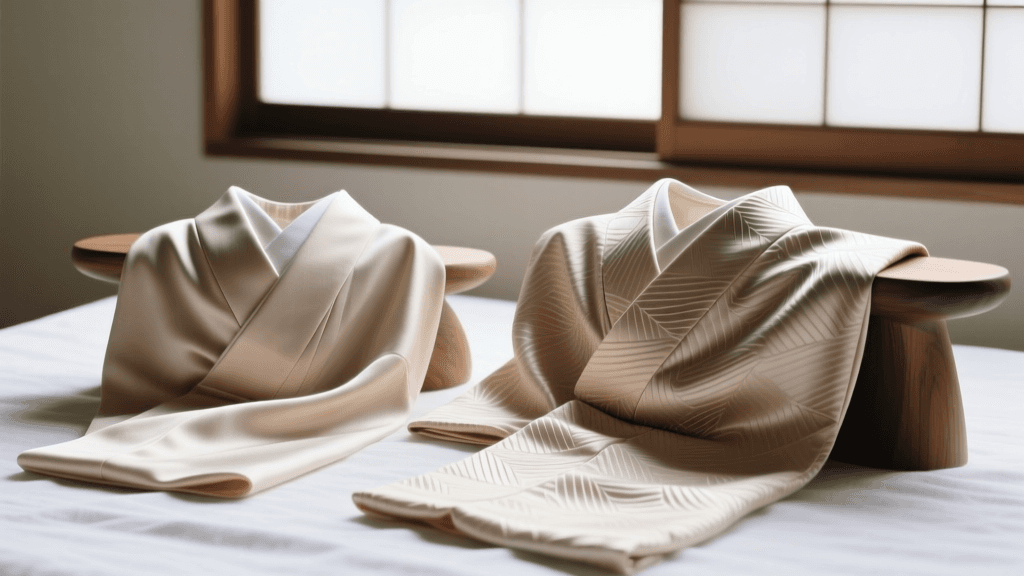
The Modern Haori: Styling Japanese Jackets in Streetwear
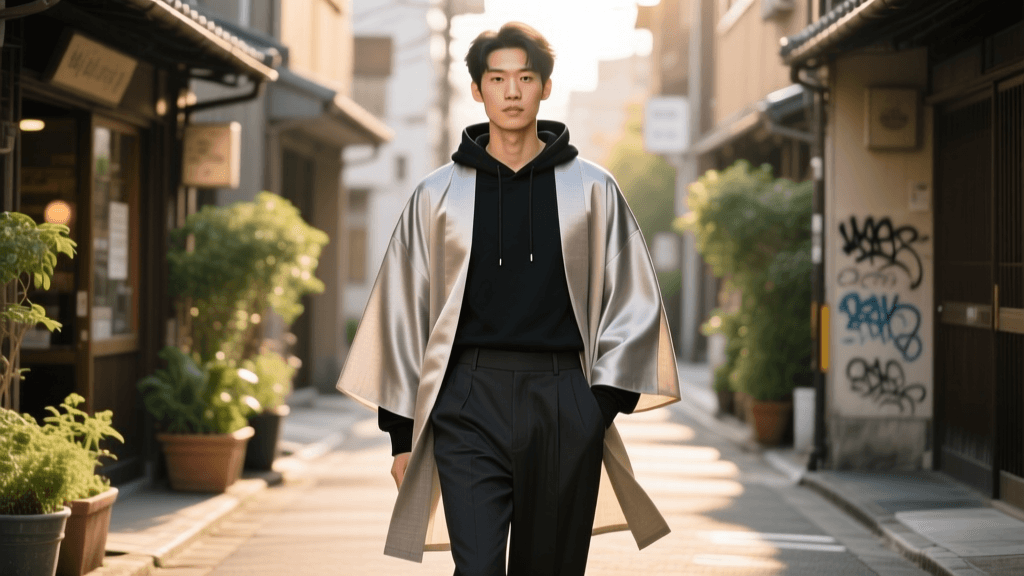
The Haori’s Journey from Samurai Armor to Streetwear Staple
The intersection of traditional Japanese clothing and contemporary streetwear has given rise to some of the most innovative fashion movements of the 21st century. At the forefront of this modern revival is the haori, a traditional Japanese hip- or thigh-length jacket. Originally designed to be worn over a kimono, the haori has transcended its historical roots to become a highly coveted layering piece in global street fashion, from the neon-lit alleys of Harajuku to the minimalist boutiques of Brooklyn.
Historically, the haori was worn by samurai as a protective layer over their armor, and later adopted by the merchant classes during the Edo period as a symbol of subtle wealth and aesthetic refinement. According to the Metropolitan Museum of Art, the evolution of Japanese outerwear reflects a broader cultural shift where strict sumptuary laws forced commoners to express their fashion sensibilities through hidden linings and subtle textile weaves. Today, that same spirit of subversion lives on in streetwear, where vintage haori are layered over hoodies, graphic tees, and tactical cargo pants.
The modern revival of the haori in street fashion is not merely about cultural appreciation; it is about the garment's inherent structural brilliance. The T-shaped silhouette, dropped shoulders, and wide sleeves offer a dramatic, avant-garde profile that aligns perfectly with the oversized, gender-neutral aesthetics dominating modern high fashion and streetwear.
Sizing and Fit: How to Choose the Right Haori
One of the most common hurdles for Western consumers and streetwear enthusiasts is understanding Japanese garment sizing. Unlike Western jackets, haori do not typically come in Small, Medium, or Large. They are generally categorized as 'one-size-fits-most,' but the actual dimensions vary wildly depending on whether the piece was tailored for a man, a woman, or a child.
For a modern streetwear aesthetic, you generally want an oversized, relaxed fit. Here are the critical measurements to look for when shopping online or in vintage bins:
- Katahaba (Shoulder Width): For a proper streetwear drop-shoulder look, aim for a shoulder width between 60 cm and 70 cm (approx. 23.5 to 27.5 inches). Anything under 55 cm will look boxy and restrictive over a hoodie.
- Sode (Sleeve Length): Traditional haori sleeves are measured from the center back seam. Look for a yuki (center back to cuff) measurement of at least 75 cm (29.5 inches) to ensure the sleeves drape past the wrist, mimicking the elongated silhouettes of brands like Yohji Yamamoto or Rick Owens.
- Mihaba (Body Width): Measure from armpit to armpit and double it. A minimum of 110 cm (43 inches) in total circumference is ideal for layering over thick winter streetwear.
- Take (Back Length): The haori should hit around the mid-thigh. Look for a back length of 80 cm to 95 cm (31.5 to 37.5 inches).
Fabric and Seasonality: What to Buy and When
Choosing the right fabric is crucial for integrating a haori into a functional streetwear wardrobe. The Victoria and Albert Museum notes that Japanese textile artisans have historically utilized a vast array of materials based on strict seasonal rules. In streetwear, these rules are bent, but understanding the fabrics helps in building a year-round rotation.
| Fabric Type | Best Season | Price Range (Vintage) | Streetwear Application |
|---|---|---|---|
| Heavy Silk (Tsumugi) | Autumn / Winter | $80 - $250 USD | High-fashion minimalist layering; pairs well with wool trousers and derbies. |
| Indigo-Dyed Cotton | Spring / Autumn | $120 - $400 USD | Vintage Americana and workwear; fades beautifully like raw selvedge denim. |
| Wool / Cashmere Blend | Winter | $150 - $500 USD | Tailored streetwear; excellent drape and insulation for cold urban environments. |
| Ro (Gauze Silk) | Summer | $40 - $120 USD | Summer festival wear; highly breathable, worn over tank tops or linen sets. |
| Modern Nylon / Tech | All-Season | $150 - $350 USD (New) | Techwear and cyberpunk aesthetics; water-resistant, pairs with cargo pants. |
3 Streetwear Formulas for Styling a Haori
Integrating a traditional garment into a modern wardrobe requires a balance of proportions and textures. Here are three actionable styling formulas to elevate your streetwear rotation.
1. The Techwear Samurai
The Vibe: Cyberpunk, utilitarian, weather-ready.
The Formula: Pair a modern, water-resistant nylon haori (brands like Yohji Yamamoto Ground Y or independent techwear labels often release haori-inspired shells) with tapered cargo pants and chunky trail sneakers like the Salomon XT-6. Use a tactical chest rig or a minimalist crossbody bag to replace the traditional himo (haori ties). The contrast between ancient silhouette and futuristic materials creates a striking, dystopian aesthetic.
2. Vintage Americana & Wabi-Sabi
The Vibe: Rugged, textured, heritage-focused.
The Formula: Source a vintage, indigo-dyed cotton haori (often featuring sashiko stitching or boro patchwork). Layer it over a heavyweight, loopwheeled grey hoodie and faded selvedge denim. Finish the look with battered Red Wing Iron Ranger boots. The indigo will fade uniquely to your body, echoing the Japanese philosophy of wabi-sabi—finding beauty in imperfection and wear.
3. High-Fashion Minimalist
The Vibe: Avant-garde, clean, monochromatic.
The Formula: Opt for a solid black or deep charcoal silk tsumugi haori. The matte texture of raw silk absorbs light beautifully. Wear it over a crisp, oversized white poplin shirt, wide-leg black pleated trousers, and polished leather loafers. Keep accessories to an absolute minimum. This look leans into the quiet luxury trend while maintaining a distinctly Japanese architectural silhouette.
Where to Source Authentic and Vintage Haori
Finding the perfect haori requires knowing where to look. While the Japan National Tourism Organization highlights traditional districts for new, bespoke garments, the streetwear community heavily favors the vintage market for its sustainability, affordability, and unique patina.
- Tokyo Thrift Stores: Neighborhoods like Shimokitazawa, Koenji, and Harajuku are goldmines. Stores such as Chicago (with multiple locations in Shibuya and Harajuku) and Otapan offer massive bins of vintage haori. Expect to pay between 3,000 JPY and 10,000 JPY ($20 - $70 USD) for excellent condition vintage silk.
- Online Vintage Dealers: Platforms like Etsy, eBay, and specialized Japanese proxy services (like Buyee or ZenMarket) allow you to bid on Yahoo! Auctions Japan. Search terms like 'vintage haori men,' 'boro haori,' or 'sashiko jacket' will yield the best streetwear-appropriate results.
- Modern Artisans: For new, streetwear-focused interpretations, look to contemporary Kyoto-based brands that are actively modernizing the craft, often collaborating with streetwear labels to produce limited-run, denim or canvas haori.
'The haori is the ultimate bridge between East and West, past and future. Its lack of rigid fastening allows it to flow with the wearer, making it a blank canvas for modern styling.' — Streetwear Archivist and Vintage Buyer
Caring for Your Streetwear Haori
Proper maintenance ensures your garment survives the rigors of street life. Silk haori should never be machine washed. Spot clean minor stains with a damp cloth and a mild, pH-neutral detergent. For deep cleaning, take silk pieces to a dry cleaner experienced with delicate vintage textiles, which typically costs between $30 and $50 USD.
Cotton and sashiko haori are more forgiving. Hand wash them in cold water using a gentle detergent like Woolite, and hang them to dry in the shade to prevent the indigo or natural dyes from bleaching in the sun. Store your haori on wide, padded wooden hangers to maintain the structural integrity of the dropped shoulders, and fold them using the traditional tatou method when traveling to prevent permanent creasing.
Conclusion
The modern revival of the haori in street fashion is a testament to the timelessness of Japanese design. By understanding the nuances of sizing, respecting the textiles, and creatively styling the garment, you can seamlessly integrate this piece of Asian tradition into a forward-thinking, contemporary wardrobe. Whether you are navigating the streets of Tokyo or New York, the haori offers a masterclass in silhouette, movement, and cultural storytelling.