Modern Haori & Kimono Styling Guide 2026: Sustainable Silk Trends
The 2026 Renaissance of Japanese Traditional Garments
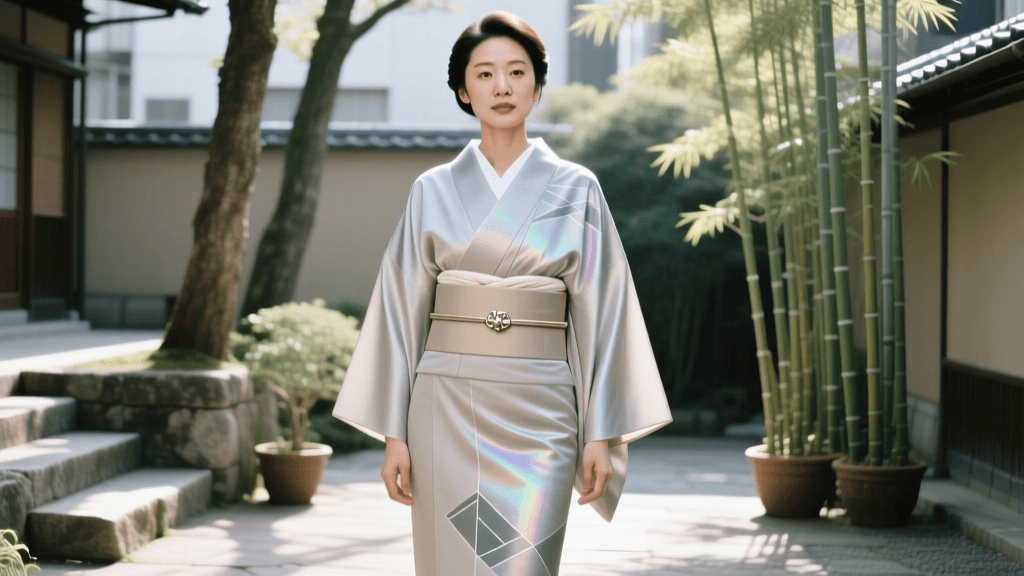
Japanese fashion has always been a masterclass in balancing deep-rooted heritage with avant-garde innovation. As we navigate through 2026, the global appreciation for traditional Japanese garments—specifically the kimono and the haori—has reached unprecedented heights. Driven by a collective demand for sustainable luxury and artisanal craftsmanship, modern wardrobes are increasingly embracing these historical silhouettes. However, the way we wear, source, and care for these garments has evolved significantly. Today, the intersection of Edo-period aesthetics and 2026 sustainable textile technology offers a fresh perspective on Japanese fashion styles, allowing enthusiasts to honor tradition while adhering to contemporary ethical standards.
Kimono and Haori: Understanding the Foundations
To master Japanese fashion styles, one must first understand the structural foundations of its most iconic garments. According to The Metropolitan Museum of Art, the kimono's T-shaped, straight-lined construction was designed to be universally flattering, wrapping the body in a continuous flow of fabric that emphasizes the textile's artistry over the wearer's physical form. The kimono serves as the primary canvas for seasonal motifs, familial crests (kamon), and intricate dyeing techniques like yuzen and shibori.
The haori, originally worn by samurai as a protective outer layer, has transitioned into the ultimate versatile jacket in 2026. Falling anywhere from the hip to the mid-calf, the haori is open at the front and features a collared neckline. Unlike the kimono, which requires complex wrapping and tying, the haori is designed for effortless layering, making it the perfect entry point for integrating Japanese traditions into a modern, fast-paced lifestyle.
Sustainable Textiles: The Shift to Ahimsa Silk and Hemp
The most defining shift in Japanese fashion for 2026 is the widespread adoption of sustainable textiles. While traditional mulberry silk remains a luxurious standard, the modern consumer is heavily favoring Ahimsa silk (peace silk) and advanced hemp-silk blends. Ahimsa silk is harvested only after the silkworm has naturally emerged from its cocoon, ensuring a cruelty-free production process that aligns with 2026's strict ethical fashion mandates.
Furthermore, Japanese textile mills in Kyoto and Fukui have perfected the blending of organic hemp with peace silk, creating fabrics that offer the luminous drape of silk with the structural durability and breathability of hemp. This innovation has drastically reduced the water footprint of garment production while maintaining the luxurious hand-feel expected of high-end Japanese traditions.
| Textile Type | Average Cost (2026) | Drape & Weight | Breathability | Ethical Rating |
|---|---|---|---|---|
| Traditional Mulberry Silk | $800 - $2,500+ | Heavy, fluid, high sheen | Moderate | Standard |
| Ahimsa Peace Silk | $650 - $1,800 | Medium, soft matte finish | High | Excellent |
| Hemp-Silk Blend | $450 - $1,200 | Structured, crisp, subtle luster | Very High | Excellent |
| Upcycled Vintage Silk | $200 - $700 | Varies by era and condition | Varies | Superior (Circular) |
Contemporary Layering: Styling the Haori in 2026
The true brilliance of the haori lies in its adaptability. In 2026, street style in Harajuku and Daikanyama frequently features haori jackets layered over Western tailoring. To achieve this look, proportion is everything. When selecting a haori for contemporary layering, look for a hem width (suso-mawari) of at least 115cm to 125cm. This ensures the jacket drapes elegantly over bulkier modern garments without pulling at the shoulders.
Styling Formulas for the Modern Wardrobe
- The Minimalist Professional: Pair a solid-colored, dark indigo hemp-silk haori with a fitted merino wool turtleneck and wide-leg tailored trousers. Secure the haori with a minimalist, braided cotton haori-himo (tie) in a contrasting muted gold.
- The Avant-Garde Evening: Layer a heavily embroidered vintage silk haori over a sleek, floor-length slip dress. Allow the haori to remain open to showcase the dress's silhouette while letting the garment's intricate back panel (the primary canvas for Japanese artistry) take center stage.
- The Casual Weekend: A shorter, hip-length cotton or linen haori worn over a high-quality white t-shirt and raw selvedge denim bridges the gap between workwear and traditional Japanese aesthetics.
Modern Obi Knots and Fastening Innovations
For those wearing the full kimono, the obi (sash) remains the focal point of the ensemble. Historically, tying a formal Taiko (drum) knot required significant practice and physical exertion. However, 2026 has introduced a wave of beautifully crafted tsuke obi (pre-tied obi) that utilize hidden, high-strength magnetic clasps rather than traditional pins and ties. These magnetic closures are entirely concealed beneath the obi-age (sash scarf) and obi-jime (decorative cord), offering a flawless, traditional appearance with the convenience of modern engineering.
For a more relaxed, everyday look, the Bunko (butterfly) knot remains highly popular. In 2026, artisans are weaving obi with integrated memory-wire cores, allowing the Bunko knot to hold its structural shape throughout the day without the need for internal padding or stiffeners, drastically reducing the weight and heat associated with traditional formal wear.
Footwear: Tabi and Zori in the Modern Wardrobe
No Japanese fashion guide is complete without addressing footwear. The tabi (split-toe sock) has transcended its traditional roots, heavily influencing global footwear design., traditional makers have updated the tabi for 2026 by incorporating moisture-wicking bamboo fibers and reinforced, cushioned soles designed for walking on modern urban concrete rather than tatami mats.
When wearing a kimono, the zori (flat sandal) is essential. Modern zori are now crafted with vegan leather and recycled EVA foam bases, providing the elevated elegance required for formal kimono wear while offering the arch support necessary for all-day comfort. For haori wearers pairing the garment with Western clothing, traditional leather geta or even split-toe leather derby shoes provide a striking, culturally resonant contrast.
Garment Care and Preservation
Investing in sustainable silk and artisanal textiles requires meticulous care. The Victoria and Albert Museum emphasizes the importance of proper storage in preserving the structural integrity and vibrant dyes of historical and contemporary Japanese garments. In 2026, the gold standard for kimono storage remains the kiri bako (paulownia wood box). Paulownia wood naturally regulates humidity and repels insects, creating an ideal microclimate for delicate silks.
When it comes to cleaning, avoid modern dry-cleaning chemicals, which can strip the natural sericin from Ahimsa silk and degrade natural plant-based dyes. Instead, rely on specialized aeration. Hang your haori or kimono on a wide, padded wooden hanger in a shaded, well-ventilated room for a few hours after wearing to allow moisture to evaporate. For spot cleaning, consult a certified Japanese textile conservator who utilizes 1st-century enzymatic cleaners that are entirely biodegradable and safe for heritage fabrics.
Conclusion: Embracing the Future of Tradition
The landscape of Japanese fashion in 2026 is a testament to the enduring power of cultural heritage when thoughtfully adapted for the modern world. By embracing sustainable textiles like Ahimsa silk, utilizing contemporary layering techniques, and respecting the meticulous craftsmanship of the haori and kimono, we ensure that these magnificent garments remain living, breathing elements of our daily lives. Whether you are draping a vintage silk haori over a modern suit or mastering the magnetic clasp of a contemporary obi, you are participating in a rich, evolving dialogue between the past and the future of Asian traditions.