Ceremonial vs Everyday Hanbok and Kimono: 2026 Style Guide
The Resurgence of Traditional Asian Garments in 2026
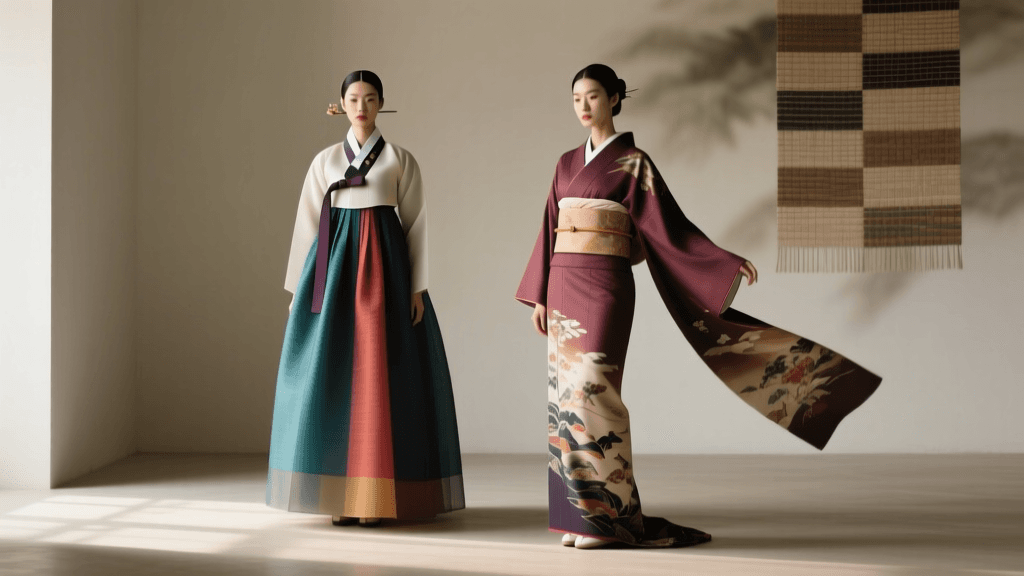
The landscape of Asian traditional garments has undergone a fascinating transformation as we move through 2026. While global fashion runways in Seoul, Tokyo, and Shanghai continue to celebrate avant-garde streetwear, there is a profound, grounded movement toward 'heritage dressing.' Modern consumers are no longer relegating traditional garments to the back of the closet, waiting for a once-in-a-lifetime wedding or a coming-of-age ceremony. Instead, a clear bifurcation has emerged: the strict, opulent world of ceremonial wear versus the highly adaptable, innovative realm of everyday traditional clothing.
Understanding the dichotomy between ceremonial and everyday wear is essential for anyone looking to integrate Asian heritage garments into a contemporary 2026 wardrobe. This guide explores the structural, textile, and stylistic differences between Japan's kimono and Korea's hanbok, offering actionable advice on how to navigate, purchase, and style these iconic silhouettes today.
Japanese Kimono: From Furisode to Everyday Wafuku
The Japanese kimono represents one of the most strictly codified sartorial systems in the world. In 2026, the dichotomy between ceremonial and everyday wear is more pronounced than ever, driven by both a reverence for historical accuracy and a demand for modern convenience.
Ceremonial Kimono: Furisode and Kurotomesode
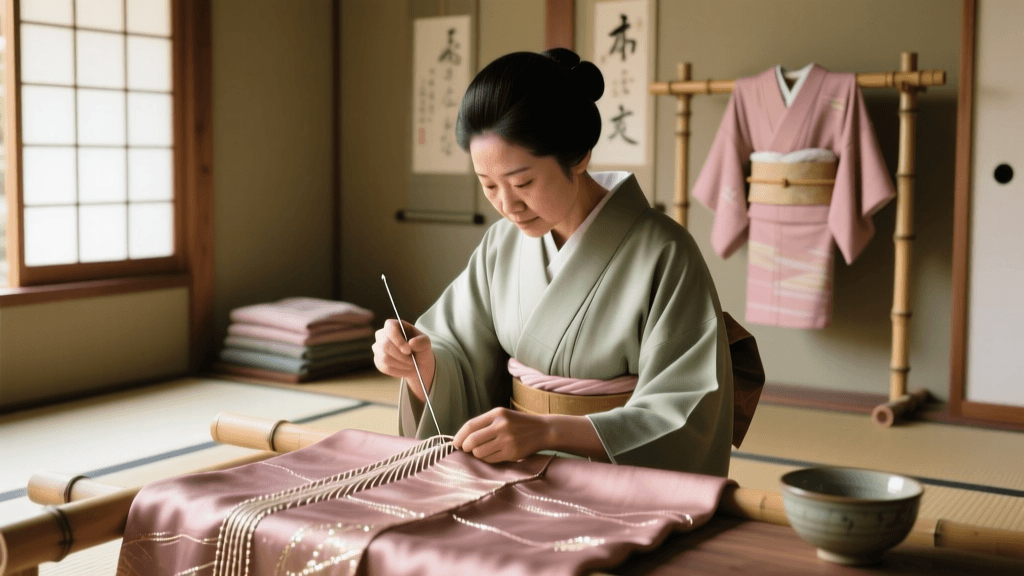
Ceremonial kimonos are masterpieces of textile engineering, designed to convey social status, marital status, and the formality of the occasion. The Furisode, characterized by its dramatically long, swinging sleeves (often measuring between 100 to 110 centimeters in length), is the ultimate formal wear for unmarried women. In 2026, authentic Furisode garments are still predominantly crafted from heavy, multi-layered silk crepe (chirimen) and feature hand-painted yuzen dyeing or intricate gold-leaf embroidery.
For married women, the Kurotomesode (black kimono with patterns only below the waist) serves as the highest level of formalwear. The ceremonial aspect extends beyond the garment itself to the kitsuke (the art of dressing). A full ceremonial kit requires numerous undergarments, padding, a heavy Fukuro obi (brocade sash), and specialized accessories like the obi-age and obi-jime. According to the Victoria and Albert Museum's Asian collections, the preservation of historical textiles highlights the stark contrast in weave density and structural rigidity between these courtly ceremonial robes and commoner workwear, a distinction that remains visible in modern formal replicas.
2026 Pricing & Sourcing: Purchasing a brand-new, custom-tailored ceremonial Furisode in 2026 typically starts at $4,500 USD and can easily exceed $15,000 USD for master-dyed pieces. Consequently, the 2026 rental market remains robust, with premium rental packages in Tokyo and Kyoto averaging $200 to $350 USD for a full-day experience, including professional dressing services.
Everyday Kimono: Yukata and Modern Separates
Everyday kimono wear in 2026 is defined by breathability, ease of movement, and machine-washable textiles. The Yukata, originally a bathrobe, has evolved into the standard summer festival and casual wear garment. Modern 2026 yukatas are crafted from advanced cotton-linen blends and high-tech cooling synthetics that wick moisture during Japan's increasingly humid summers.
However, the most significant everyday innovation of the decade is the Two-Piece Washable Kimono. Designed for the modern office worker or the frequent traveler, these garments separate the top and bottom, utilizing hidden elastic waistbands and snap-button closures that mimic the overlapping okumi (front panel) of a traditional kimono. They are typically made from wrinkle-resistant polyester crepe or nano-coated cotton, allowing them to be thrown into a standard washing machine—a massive departure from the specialized dry-cleaning required for ceremonial silks.
Korean Hanbok: Hwalot Grandeur vs. Gaeryang Practicality
Like the kimono, the Korean hanbok has experienced a massive renaissance. The structural geometry of the hanbok—characterized by the fitted jeogori (jacket) and the voluminous chima (skirt)—lends itself beautifully to both extreme formality and radical modernization.
Ceremonial Hanbok: Hwalot and Dangui
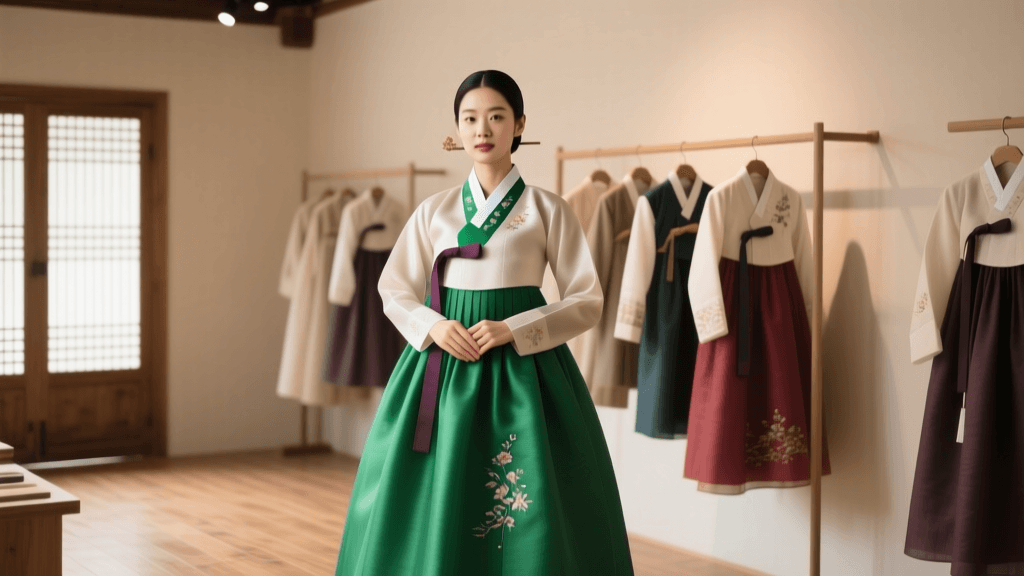
Ceremonial hanbok is a visual feast of symbolism, color theory, and intricate embroidery. The Hwalot is the traditional bridal robe, heavily embroidered with peonies, butterflies, and lotus flowers to symbolize prosperity and fertility. The sleeves are exceptionally wide, and the garment is typically worn over multiple layers of inner skirts to achieve a bell-like silhouette. The National Folk Museum of Korea extensively documents the transition of the hanbok from a daily necessity to a specialized ceremonial garment, noting the structural shifts and the preservation of natural dyeing techniques like gal-ot that are reserved almost exclusively for high-end ceremonial pieces today.
Another ceremonial staple is the Dangui, a long, lined jacket with wide sleeves and side slits, historically worn by court women and now adapted for modern traditional weddings or first-birthday celebrations (doljanchi). These garments utilize heavy silk brocades and are often paired with elaborate headpieces like the jokduri (coronet) and ornate hairpins (binyeo).
Everyday Hanbok: The Gaeryang Movement
The Gaeryang Hanbok (modernized hanbok) dominates the everyday wear market in 2026. Driven by K-pop idols and contemporary Korean designers, the everyday hanbok drastically alters the proportions of the traditional silhouette for urban practicality. The chima is shortened to midi or knee-length to prevent tripping on subway stairs, and the voluminous gathering at the waist is reduced to prevent a bulky silhouette under modern coats.
Functionality is paramount in the 2026 Gaeryang market. Traditional goreum (the long, tied ribbons of the jeogori) are frequently replaced by hidden magnetic snaps or hook-and-eye closures. Fabrics have shifted from delicate silks to durable cotton-poplins, washed linens, and even vegan leather accents. Everyday hanbok brands in Seoul's Ikseon-dong and online platforms offer mix-and-match sets that can be paired with modern denim or tailored trousers.
2026 Pricing & Sourcing: A high-quality, ready-to-wear Gaeryang hanbok set from a reputable Seoul-based boutique ranges from $80 to $250 USD. Custom-tailored ceremonial Hwalot, however, require specialized artisans and start around $1,200 USD, often taking up to three months to complete.
2026 Comparison Chart: Ceremonial vs. Everyday Wear
To help you decide which garment suits your needs, budget, and lifestyle, refer to the comparison table below outlining the core differences across both cultures.
| Feature | Ceremonial Kimono (Furisode) | Everyday Kimono (Two-Piece/Yukata) | Ceremonial Hanbok (Hwalot) | Everyday Hanbok (Gaeryang) |
|---|---|---|---|---|
| Primary Fabric | Heavy Silk Crepe, Brocade | Cotton, Linen, Washable Poly | Silk Brocade, Ramie | Cotton-poplin, Linen blends |
| Dressing Time | 45 - 90 Minutes (Requires help) | 3 - 5 Minutes (Self-dress) | 30 - 45 Minutes (Requires help) | 2 - 5 Minutes (Self-dress) |
| Avg. Cost (2026) | $4,500 - $15,000+ USD | $60 - $180 USD | $1,200 - $3,500 USD | $80 - $250 USD |
| Mobility | Highly Restricted | High / Unrestricted | Moderate (Heavy layers) | High / Unrestricted |
| Care & Maintenance | Specialized Artisan Dry Cleaning | Machine Washable / Spot Clean | Professional Hand-Wash / Air | Machine Washable / Steam |
Footwear and Accessories: Bridging the Gap
No traditional garment is complete without the correct footwear, and 2026 has seen incredible innovations in this space. For ceremonial kimonos, the zori (formal sandals) paired with white tabi (split-toe socks) remain non-negotiable. However, for everyday wear, modern tabi sneakers and ergonomic split-toe boots have become wildly popular, allowing wearers to navigate concrete cityscapes without the foot pain traditionally associated with wooden geta.
Similarly, traditional Korean ceremonial hwa (embroidered silk boots) are reserved strictly for weddings and stage performances. The everyday hanbok wearer in 2026 is far more likely to pair their midi-length chima with modern Mary Janes, sleek leather loafers, or minimalist white sneakers, creating a hybrid aesthetic that honors the garment's heritage while embracing contemporary ergonomics.
Fabric Innovations and Care in 2026
The most significant barrier to everyday traditional wear has historically been maintenance. Ceremonial silks are notoriously fragile; a single drop of water can ruin a hand-painted yuzen motif, and the complex layering of a ceremonial hanbok makes spot-cleaning nearly impossible. In 2026, textile technology has largely solved this for the everyday market.
Nano-coated fabrics that repel liquids and resist staining are now standard in mid-to-high-tier everyday kimonos and hanboks. Furthermore, the development of 'memory-shape' synthetic silks allows garments to retain their crisp, structured collars (eri and dongjeong) even after being balled up in a suitcase. For purists who insist on natural fibers, 2026 has introduced enzyme-washed linens that mimic the drape of aged silk but can withstand gentle machine cycles, ensuring that heritage dressing remains a viable, stress-free option for the modern lifestyle.
Sourcing and Styling Tips for the Modern Wardrobe
If you are looking to build a traditional wardrobe in 2026, start with everyday pieces. For the kimono, invest in a high-quality, two-piece washable set in a muted, versatile color like navy, charcoal, or olive green. These can be effortlessly styled over a black turtleneck in the winter or a crisp linen shirt in the summer. For the hanbok, a Gaeryang set featuring a structured, mandarin-collar jeogori paired with a flowing, ankle-length skirt offers an elegant silhouette that transitions seamlessly from a museum visit to a formal dinner.
When purchasing ceremonial wear, always consult with a certified kitsuke instructor or a specialized hanbok tailor. The fit of a ceremonial garment is entirely dependent on the precise placement of padding and ties, a skill that cannot be replicated by standard Western tailoring. By respecting the boundaries between the ceremonial and the everyday, you not only ensure your own comfort but also honor the deep cultural narratives woven into every thread of these magnificent garments.