Buying Authentic Custom Hanbok Online: 2026 Seoul Boutique Guide
The 2026 Landscape of Online Hanbok Shopping
The global appreciation for traditional Korean garments has reached unprecedented heights in 2026. Driven by international cultural festivals, historical dramas, and a renewed interest in sustainable, artisan-crafted fashion, the demand for authentic hanbok has surged. However, this popularity has also flooded the internet with mass-produced, synthetic 'costume' hanbok that lack the structural integrity, historical accuracy, and breathable comfort of genuine traditional wear. For international buyers and serious enthusiasts, navigating online marketplaces to find authentic, custom-fit hanbok directly from Seoul-based artisans requires a strategic approach.
Unlike buying off-the-rack fast fashion, sourcing a genuine saenghwal (daily wear) or myeongjeol (ceremonial holiday) hanbok involves understanding traditional textiles, mastering unique measurement systems, and identifying verified digital storefronts. This comprehensive 2026 guide will walk you through the exact steps to source, measure, and purchase authentic hanbok directly from Korean master artisans, ensuring your garment is both culturally respectful and impeccably tailored.
Decoding Hanbok Tiers: What Are You Actually Buying?
Before adding an item to your cart, it is crucial to understand the tier system of the hanbok market. Many online retailers blur the lines between tourist souvenirs and genuine traditional garments. Below is a breakdown of what to expect in 2026 regarding pricing, materials, and lead times.
| Hanbok Tier | Primary Fabrics | Price Range (USD) | Lead Time | Best Use Case |
|---|---|---|---|---|
| Mass-Market Costume | Polyester, Synthetic Satin | $30 - $80 | In-Stock | Photo shoots, casual cosplay |
| Semi-Custom Saenghwal | Cotton, Linen, Ramie Blends | $120 - $280 | 1-3 Weeks | Daily wear, summer festivals, tea ceremonies |
| Bespoke Myeongjeol | 100% Silk, Myeongju, Hansan Ramie | $450 - $1,500+ | 4-8 Weeks | Weddings, major holidays, formal cultural events |
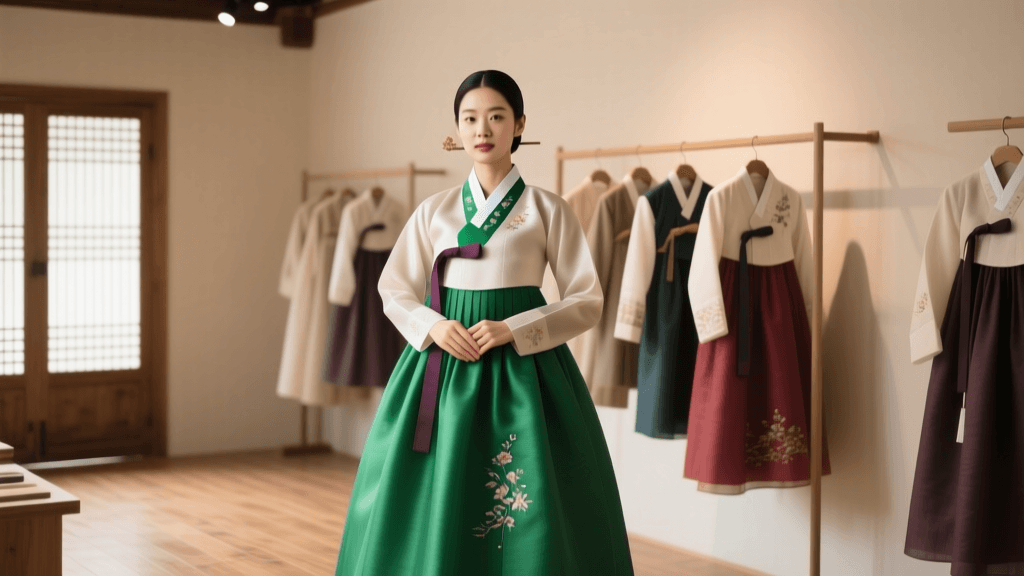
If you are investing in a garment meant to last a lifetime and be passed down as an heirloom, you must target the Bespoke Myeongjeol tier. These garments feature hand-stitched details, natural dyes, and traditional structural elements like the git (collar) and goreum (ties) that are mathematically proportioned to your specific body type.
Trusted Seoul-Based Online Boutiques and Artisan Directories
Finding legitimate artisans requires looking beyond standard global e-commerce giants. In 2026, the most authentic pieces are sold through Korean domestic platforms and specialized cultural directories.
1. The Korean Craft and Design Foundation (KCDF)
The Korean Craft and Design Foundation (KCDF) maintains an online gallery and shop that features vetted master artisans. Purchasing through KCDF-affiliated links or their digital marketplace guarantees that the weavers and tailors are recognized for their adherence to traditional techniques. This is the safest route for international buyers seeking museum-quality textiles.
2. Naver Smart Store and Instagram Artisans
Many independent Seoul-based hanbok jangin (master tailors) operate exclusively through Naver Smart Store and Instagram. To find them, search for keywords like '맞춤한복' (custom hanbok) or '명주한복' (myeongju silk hanbok). Look for boutiques that post detailed videos of their cutting process, natural dyeing vats, and hand-stitching techniques. Reputable 2026 boutiques will always offer a '1:1 Custom Consultation' via KakaoTalk or email before finalizing your order.
3. Modern Hanbok Brands
For those seeking a blend of traditional silhouettes with modern, washable conveniences, brands like Leesle and Sonoki have robust international shipping portals. While they lean toward the saenghwal (daily) tier, their use of high-grade cottons and structural authenticity makes them excellent entry points for serious collectors.
Mastering Custom Measurements for the Perfect Fit
Traditional Korean garments do not use Western S/M/L sizing. The beauty of the hanbok lies in its flat-pattern cutting, which creates a three-dimensional silhouette when tied. When ordering custom hanbok online in 2026, you will need to provide specific metrics. Have a professional tailor take these measurements, or use a mirror and a soft measuring tape.
- Jedong (Neck Base to Wrist): Crucial for the jeogori (jacket) sleeves, which should extend just past the wrist bone to allow for elegant hand movements.
- Hwajang (Shoulder to Wrist): Determines the drape of the sleeve curve.
- Yuri (Bust/Chest Circumference): Measured at the fullest part. The jeogori must accommodate this without pulling the goreum (ties) too tightly.
- Sokchima Waist (High Underbust): Traditional skirts are tied high, just below the ribcage, not at the natural waist. This measurement dictates the skirt's waistband.
- Chima Length (Underbust to Floor): Measured while wearing the shoes you intend to pair with the hanbok. The hem should just graze the top of the foot.
- Baji (Pants) Measurements: For menswear or gender-neutral styling, you must provide the waist, hip, and inseam, as traditional pants feature a dropped crotch and require precise tying at the ankles with daenim (ankle bands).
Fabric Authentication: Spotting Real Myeongju and Silk
The soul of a premium hanbok is its fabric. Myeongju is a traditional Korean silk woven from domestically raised silkworms, known for its subtle sheen, breathability, and distinct rustling sound known as maek-i. In 2026, synthetic imitations have become incredibly sophisticated, making visual inspection via screen difficult.
Pro Tip for 2026 Buyers: Always request a physical fabric swatch book before committing to a full bespoke order. Reputable Seoul artisans will mail a swatch ring for a nominal fee (usually $15-$25 USD).
When your swatches arrive, perform a burn test on a single thread. Genuine silk will smell like burning hair, self-extinguish when removed from the flame, and leave a crushable black ash. Polyester will melt, smell like sweet plastic, and form a hard, uncrushable bead. Furthermore, look for certifications backed by the Cultural Heritage Administration of Korea, which actively protects and labels regional weaving heritage sites. Textiles like Hansan Ramie are deeply protected, and understanding their heritage status via resources like UNESCO's Intangible Cultural Heritage lists can help you appreciate the premium pricing and verify the artisan's claims.
Navigating Language Barriers and Payment Gateways
While global e-commerce has streamlined cross-border shopping, many master tailors in Seoul still operate primarily in Korean. In 2026, AI translation tools like Papago (which vastly outperforms standard translators for Korean fashion and textile terminology) are essential. When communicating your design preferences, use specific terms: geot-seul (outer collar), an-seul (inner collar), and dongjeong (white removable collar strip).
For payments, while major credit cards are increasingly accepted on Naver Smart Store, some independent artisans may request direct bank transfers via Kakaopay or Toss. If you lack a Korean bank account, utilize international proxy shopping services that specialize in Korean fashion, ensuring they offer photographic quality control checks before the garment ships.
International Shipping, Customs, and Garment Care
Shipping a bespoke hanbok internationally requires care. Insist on EMS (Express Mail Service) or DHL, as standard postal routes can subject delicate silk boxes to extreme humidity and temperature fluctuations in cargo holds. Expect to pay customs duties on garments valued over your country's de minimis threshold; factor an additional 10-20% into your 2026 budget for import taxes.
Once your hanbok arrives, proper care is non-negotiable. Never machine wash or hand wash authentic silk or ramie hanbok. The water will destroy the natural dyes and warp the flat-cut seams. Spot clean minor stains with a damp cloth and seek out a dry cleaner in your city who specializes in bridal or historical garments. Between wears, air the garment out in a shaded, well-ventilated area, and store it wrapped in traditional bojagi (wrapping cloths) or breathable cotton bags—never in plastic, which traps moisture and causes silk to yellow and degrade over time.
By prioritizing verified artisans, understanding traditional metrics, and respecting the textile heritage, your online hanbok purchase in 2026 will yield a breathtaking, authentic garment that honors centuries of Korean craftsmanship.