2026 Hanfu Fabric Drape & Comfort Analysis: Top Textiles
The Evolution of Hanfu Textiles in 2026
The global appreciation for traditional Asian garments has reached a sophisticated zenith in 2026, driven largely by the Xin Zhongshi (new Chinese style) movement. This cultural renaissance has seamlessly integrated historical silhouettes into modern daily wardrobes, shifting the focus from purely ceremonial aesthetics to practical, everyday wearability. At the heart of this evolution is a rigorous understanding of fabric texture, drape, and comfort. For modern Hanfu enthusiasts, selecting the right textile is no longer just about visual authenticity; it is about the physics of how a garment moves, breathes, and feels against the skin throughout a busy day.
In 2026, the market offers an unprecedented array of textile choices, ranging from heritage silks woven on traditional jacquard looms to cutting-edge regenerated cellulosics engineered in sustainable laboratories. Understanding the nuanced differences between these materials is essential for anyone looking to invest in high-quality Hanfu, Mamianqun (horse-face skirts), and Beizi (traditional overcoats). This comprehensive analysis breaks down the drape coefficients, breathability metrics, and comfort profiles of the most prominent Hanfu fabrics available today.
Understanding Fabric Drape and Comfort Metrics
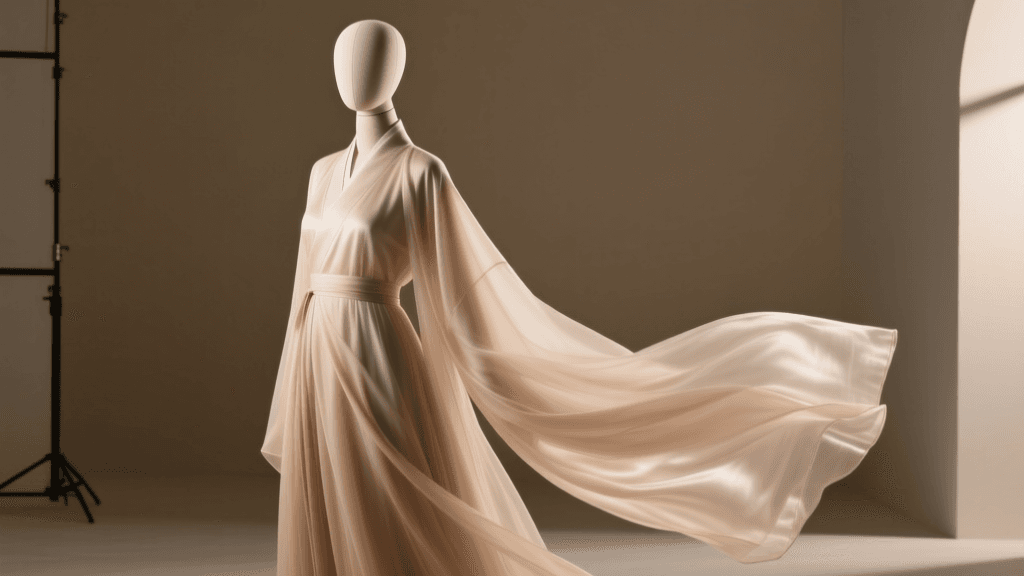
To objectively analyze Hanfu textiles, we must look beyond subjective terms like 'flowy' or 'stiff' and rely on standardized textile engineering metrics. The most critical of these is the Drape Coefficient (DC). Measured using a 3D drape tester, the DC indicates how a fabric folds and hangs under its own weight. A higher percentage (closer to 100%) indicates a highly fluid, clinging fabric, while a lower percentage indicates a stiff, structured material that holds its shape away from the body.
Another vital metric is Bending Length, which measures the stiffness of the fabric. In traditional Hanfu, different garments require vastly different bending lengths. A flowing Ruqun (blouse and skirt ensemble) benefits from a low bending length, allowing it to cascade elegantly. Conversely, a structured Mamianqun requires a higher bending length to maintain its iconic, sharp pleats and architectural volume.
Comfort is quantified through Moisture Vapor Transmission Rate (MVTR) and Grams per Square Meter (GSM) or its silk-specific equivalent, Momme (mm). In the humid summers of East Asia or the climate-controlled environments of modern urban centers, a fabric's ability to wick moisture and regulate temperature dictates its all-day wearability.
2026 Hanfu Fabric Comparison Chart
The following table provides a data-driven comparison of the top textiles dominating the 2026 Hanfu market, analyzing their physical properties and ideal applications.
| Fabric Type | Weight / Density | Drape Coefficient | Breathability (MVTR) | Comfort Rating (1-10) | Ideal Hanfu Garment |
|---|---|---|---|---|---|
| Pure Mulberry Silk (Charmeuse) | 19-22 Momme | 82% (Highly Fluid) | High | 9.5 | Ruqun, Beizi, Inner Linings |
| Xiangyunsha (Gambiered Gauze) | 25-30 Momme | 45% (Structured) | Very High | 8.5 | Mamianqun, Structured Jackets |
| Tencel-Silk Blend (2026 Standard) | 160 GSM | 68% (Balanced) | Exceptional | 9.8 | Everyday Mamianqun, Song Trousers |
| Cupro (Bemberg) | 120 GSM | 75% (Fluid) | High | 9.0 | Summer Ruqun, Garment Linings |
| Song Brocade (Modern Replica) | 280 GSM | 30% (Very Stiff) | Moderate | 7.0 | Ceremonial Outerwear, Banbi |
Traditional Silks: Heritage and Structure
Historically, silk has been the undisputed monarch of Chinese textiles. The Metropolitan Museum of Art notes that Chinese silk weaving techniques have influenced global textile trades for millennia, establishing a legacy of unparalleled craftsmanship. In 2026, two specific traditional silks dominate the premium Hanfu market: Mulberry Silk Charmeuse and Xiangyunsha.
Mulberry Silk Charmeuse
Charmeuse remains the gold standard for garments that require intimate contact with the skin. With a drape coefficient of over 80%, it cascades beautifully, making it the preferred choice for the upper garments of a Ruqun or the delicate inner layers of a Hanfu ensemble. However, its high fluidity means it lacks the structural integrity required to hold the sharp, knife-like pleats of a Mamianqun. Furthermore, pure silk charmeuse is notoriously delicate, requiring meticulous hand-washing and specialized pH-neutral detergents to maintain its luster and tensile strength.
Xiangyunsha (Gambiered Canton Gauze)
Often referred to as 'soft gold,' Xiangyunsha is a marvel of traditional bio-engineering. Originating from the Guangdong province, this fabric is woven from raw silk and then repeatedly dyed using the juice of the Dioscorea cirrhosa (shouliang) tuber, coated with iron-rich river mud, and sun-dried. The resulting chemical reaction creates a fabric that is water-resistant, exceptionally breathable, and possesses a distinct, crisp drape. In 2026, authentic Xiangyunsha commands premium prices, often exceeding $400 for a single Mamianqun. Its lower drape coefficient (around 45%) makes it the ultimate traditional choice for structured skirts that require volume and architectural pleating without the use of synthetic stiffeners.
The 2026 Regenerated Cellulosic Revolution
While heritage silks are revered, the 2026 Xin Zhongshi movement has heavily embraced sustainable, regenerated cellulosic fibers to solve the practical limitations of pure silk. The integration of Tencel lyocell and Cupro has revolutionized everyday Hanfu wear, offering a compromise-free blend of historical aesthetics and modern performance.
Tencel-Silk Blends
According to data from Textile Exchange, the adoption of responsibly sourced lyocell fibers has surged in the Asian fashion sector. Tencel, derived from sustainably harvested wood pulp, is frequently blended with 20-30% mulberry silk in 2026 Hanfu collections. This specific blend ratio is a breakthrough for Mamianqun enthusiasts. The Tencel provides a cool, moisture-wicking hand-feel and excellent durability, while the silk content retains the subtle, luxurious sheen associated with traditional garments.
From a drape perspective, the Tencel-silk blend offers a 'Goldilocks' coefficient of roughly 68%. It is fluid enough to move gracefully with the wearer's stride but possesses enough memory and stiffness to ensure that the intricate pleats of a horse-face skirt snap back into place after sitting. Furthermore, Lenzing's Tencel fibers are celebrated for their closed-loop production process, making them the top choice for eco-conscious Hanfu consumers in 2026. Priced accessibly between $85 and $140, Tencel-silk Mamianqun have become the staple of the modern commuter's Xin Zhongshi wardrobe.
Cupro (Bemberg Silk)
Cupro, a regenerated cellulose fiber made from cotton linter, is the unsung hero of 2026 Hanfu layering. Often marketed as 'vegan silk,' Cupro possesses a high drape coefficient and an incredibly smooth surface that reduces friction against the skin and hair. It is predominantly used for the inner linings of winter Hanfu jackets (Pifeng) and as the primary fabric for lightweight, breathable summer Ruqun. Its exceptional moisture management properties make it vastly superior to synthetic polyester linings, which trap heat and ruin the comfort of layered traditional wear.
Practical Selection Guide for Hanfu Enthusiasts
Choosing the correct fabric requires aligning the textile's physical properties with the specific garment's historical silhouette and your intended use case.
- For the Commuter Mamianqun: Opt for the 2026 Tencel-Silk blend or high-density woven cotton-linen mixes. You need a fabric with a high bending length to maintain pleat sharpness on office chairs and public transit. Avoid pure charmeuse, which will collapse and lose its shape.
- For Flowing Summer Beizi (Overcoats): Choose lightweight Mulberry Silk (16-19 Momme) or pure Cupro. The high drape coefficient allows the open-front jacket to billow elegantly in the breeze, providing shade without trapping body heat.
- For Winter Ceremonial Wear: Invest in modern Song Brocade replicas or heavy Xiangyunsha. These fabrics possess the low drape coefficient necessary to support heavy embroidery, metallic threads, and the structural collars of formal Ming Dynasty-style garments.
Care and Maintenance to Preserve Drape
The drape and comfort of Hanfu textiles are not static; they degrade if improperly maintained. In 2026, textile care has become more precise. For Tencel-silk blends, while machine washing on a delicate cycle in a mesh bag is technically possible, it is highly recommended to hand wash in cool water (below 30°C) using a specialized enzyme-free detergent. Aggressive wringing destroys the cellular structure of Tencel and causes permanent micro-fibrillation, which alters the fabric's drape coefficient and leaves it feeling fuzzy rather than smooth.
Xiangyunsha requires a unique approach. Because of its mud-dyed, iron-rich coating, it should never be soaked for extended periods or exposed to highly alkaline soaps. Simply airing it out in a shaded, well-ventilated area is often enough to refresh the fabric, thanks to its natural antibacterial properties. When ironing is necessary to restore the sharp pleats of a Mamianqun, always use a steam iron on the lowest silk setting, and press from the inside of the garment to protect the textile's distinctive, textured surface.
Conclusion
The 2026 Hanfu landscape is a triumph of material science meeting cultural heritage. By understanding the intricate balance of drape coefficients, bending lengths, and moisture management, enthusiasts can curate a Xin Zhongshi wardrobe that is not only visually stunning but profoundly comfortable. Whether you are investing in the historic luxury of Xiangyunsha or embracing the sustainable innovation of Tencel-silk blends, the right fabric ensures that the elegance of Asian traditions flows seamlessly into the rhythm of modern life.