Kabuki, Noh & Bunraku Theater Kimono Costumes in 2026
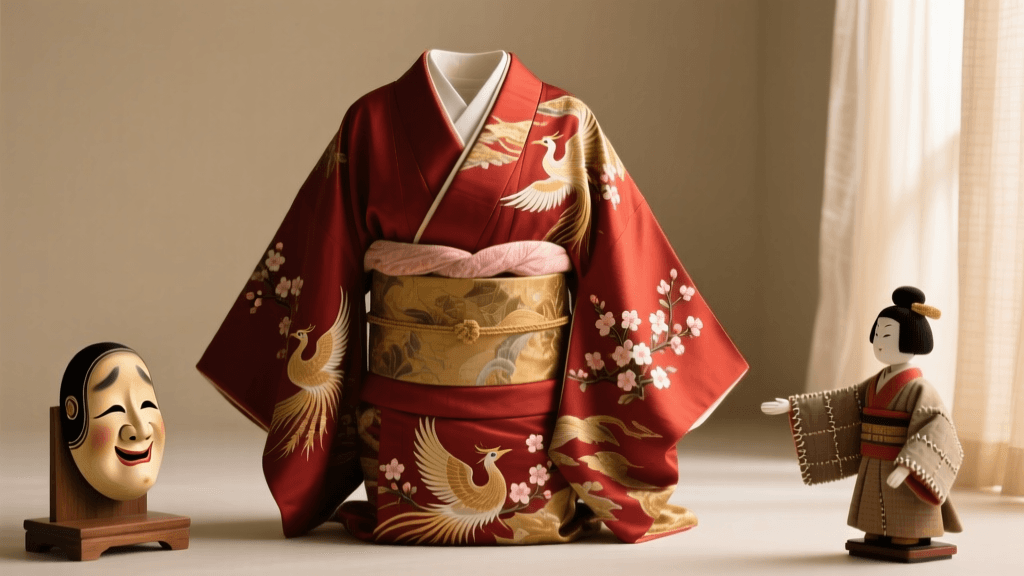
The Living Textiles of Japan’s Classical Stage
In the realm of traditional Japanese performing arts, the kimono is far more than a mere garment; it is a vital storytelling device, a marker of social status, and a masterpiece of textile engineering. As we navigate the cultural landscape of 2026, the intersection of historical preservation and live performance has never been more dynamic. The three pillars of classical Japanese theater—Noh, Kabuki, and Bunraku—each utilize traditional garments in profoundly distinct ways. Understanding the nuances of these stage costumes, known collectively as shozoku, offers a fascinating glimpse into the evolution of Asian fashion and the meticulous conservation efforts keeping these textiles alive today.
While everyday kimono wearing has evolved and adapted to modern lifestyles, the theater stage remains a sanctuary where the most extravagant, historically significant, and technically complex silk garments are still crafted, worn, and revered. This comprehensive guide explores the specific kimono adaptations across Japan's major classical theaters and highlights the cutting-edge preservation techniques defining the 2026 season.
Noh Theater: Subtle Elegance and Woven Symbolism
Noh, the oldest of the three major theater forms, is characterized by its minimalist staging, masked performances, and deeply spiritual narratives. The costumes in Noh are designed to reflect the inner emotional state and social standing of the character rather than strict historical accuracy. The garments are heavily influenced by the courtly and samurai dress of the Muromachi period (1336–1573), but they are exaggerated for the stage.
Key Noh Garments
- Karaori: A stiff, heavily brocaded outer robe worn by female characters (played by male actors). The gold and silver threads woven into the silk catch the dim stage lighting, creating an ethereal glow.
- Nuihaku: A robe featuring intricate embroidery and gold-leaf appliqué (surihaku). It is often worn by female spirits or demons, with the lower half sometimes folded down to reveal a contrasting inner layer.
- Choken: A sheer, lightweight, and flowing robe with exceptionally long sleeves. It is used for dancing roles, allowing the actor's subtle movements to create a mesmerizing, floating effect.
In Noh, the actor’s manipulation of the kimono is part of the choreography. The weight of the karaori forces the actor into a grounded, sliding gait (suriashi), which is foundational to Noh's physical vocabulary. According to the Japan Arts Council, the ongoing digitization of Noh textile patterns in 2026 has allowed conservators to study the degradation of metallic threads without physically handling the fragile 400-year-old garments.
Kabuki: Spectacle, Weight, and the Hikinuki Quick-Change
If Noh is a whisper, Kabuki is a shout. Emerging in the Edo period as popular entertainment for the merchant classes, Kabuki is renowned for its dramatic plots, exaggerated acting (mie), and breathtaking visual spectacle. Kabuki kimono are designed to be seen from the back of large, multi-tiered theaters. They are intensely vibrant, heavily padded, and astonishingly heavy.
The Engineering of Kabuki Costumes
A single Kabuki costume for a high-ranking courtesan (oiran) or a powerful samurai can weigh upwards of 20 kilograms (44 pounds). The kimono are constructed with multiple layers of thick silk, heavily padded hems to create a dramatic, sweeping silhouette, and massive, stiff obi sashes. Because of this immense weight, actors require specialized physical conditioning and the assistance of stagehands to move gracefully.
The Hikinuki Technique
One of the most thrilling aspects of Kabuki stagecraft is the hikinuki, or on-stage quick-change. To facilitate instantaneous costume transformations that reveal a character's hidden identity or emotional shift, Kabuki kimono are basted together with specialized threads. At the climax of a scene, stage assistants dressed in black (kurogo) pull these threads in a single, synchronized motion. The outer kimono falls away or flips inside out, revealing a completely different, vibrant silk lining or secondary garment beneath. This technique requires master-level tailoring to ensure the garment falls perfectly into place every single night.
The UNESCO Intangible Cultural Heritage registry notes that the transmission of these specialized tailoring and quick-change techniques remains a critical focus for Kabuki troupes, ensuring that the mechanical brilliance of the costumes survives alongside the acting lineages.
Bunraku: Tailoring for the Wooden Soul
Bunraku, the traditional puppet theater of Japan, presents a unique challenge for the kimono artisan. The puppets, which range from one-half to two-thirds life-size, are constructed of wood, bamboo, and cotton padding. They do not have human shoulders, hips, or joints. Therefore, a Bunraku kimono cannot simply be a scaled-down human garment; it must be architecturally engineered to drape over a rigid, geometric frame while appearing entirely natural and fluid.
Proportion and Manipulation
Each main puppet is manipulated by three puppeteers. The lead puppeteer (omozukai) controls the head and right arm, while the left hand and the feet are managed by assistants. The kimono must be tailored with specific internal ties, hidden pockets, and strategic padding to allow the puppeteers to grip the fabric and manipulate the puppet's limbs without their hands being visible to the audience.
The textiles used in Bunraku are often of the highest quality, utilizing genuine yuzen dyeing and gold leaf. Because the puppets are smaller, the scale of the textile patterns must be meticulously reduced. A standard human kimono might feature large, sweeping crane motifs, but a Bunraku kimono requires miniaturized, densely packed patterns to maintain visual proportionality on the small wooden frame. The Shochiku theatrical archives frequently highlight how Bunraku costume makers collaborate directly with puppet carvers to ensure the silk tension matches the puppet's internal mechanics.
Comparative Analysis: Stage Garments Across the Three Arts
To fully appreciate the diversity of Japanese theater kimono, it is helpful to compare their structural and aesthetic priorities side-by-side.
| Feature | Noh Theater | Kabuki Theater | Bunraku Puppet Theater |
|---|---|---|---|
| Primary Visual Focus | Texture, subtle sheen, and symbolic weaving | Bold colors, massive scale, and dramatic contrast | Miniaturized patterns and realistic drape on wood |
| Garment Weight | Moderate to Heavy (stiff brocades) | Extremely Heavy (up to 20kg with padding) | Lightweight (scaled to puppet frame) |
| Key Construction | Layered for subtle reveals, wide sleeves | Basted threads for quick-change (hikinuki) | Internal ties and padding for puppet manipulation |
| Historical Influence | Muromachi period court and samurai dress | Edo period merchant and red-light district fashion | Edo period civilian and historical dress |
Textile Conservation and Archiving in 2026
The preservation of these theatrical masterpieces is a monumental task. Many active stage garments in use today are over a century old, passed down through generations of acting families or maintained by theater guilds. In 2026, the intersection of traditional conservation and modern technology has revolutionized how these garments are protected.
Climate Control and Anoxia Treatment
Silk is highly susceptible to fluctuations in humidity, light exposure, and insect damage. Modern theater archives now utilize strict climate-controlled vaults. When a garment shows signs of biological threat, conservators use anoxia (oxygen deprivation) chambers. By sealing the kimono in a specialized tent and replacing the oxygen with nitrogen or argon gas, any microscopic pests or eggs are eradicated without the use of harsh chemicals that could degrade the delicate natural dyes or metallic threads.
3D Scanning and Digital Twins
A major initiative in 2026 involves the creation of 'digital twins' for the most fragile Kabuki and Noh garments. Using non-invasive photogrammetry and 3D scanning, conservators map the exact drape, weave structure, and degradation points of a kimono. This allows textile historians to study the internal tailoring of a hikinuki garment without ever having to physically unfold it, thereby preventing stress on the centuries-old silk fibers.
'The kimono on the stage is not merely clothing; it is the skin of the character. To preserve the garment is to preserve the soul of the performance.' — Traditional Theater Conservation Proverb.
Experiencing Theater Kimono Today
For enthusiasts of Asian traditions and textile arts, witnessing these garments in their intended environment is an unparalleled experience. In 2026, the Kabukiza Theatre in Tokyo continues to offer English audio guides that specifically detail the symbolism of the costumes worn during the current month's repertoire. Similarly, the National Bunraku Theatre in Osaka and the National Noh Theatre in Tokyo feature lobby exhibitions where decommissioned stage garments are displayed up close, allowing visitors to appreciate the staggering density of the embroidery and the brilliance of the surihaku gold-leaf application.
Whether it is the ghostly shimmer of a Noh karaori, the explosive color transformation of a Kabuki hikinuki, or the miraculously lifelike drape of a Bunraku silk robe, the kimono remains the beating heart of Japan's classical stage. Through rigorous conservation and continued reverence for traditional tailoring, these magnificent textiles will continue to captivate audiences for generations to come.