Best Japanese Fashion Blogs for Kimono Street Style 2026
The Renaissance of Traditional Garments in Digital Media
In 2026, the landscape of Japanese fashion journalism has undergone a profound transformation, particularly in how traditional garments are documented, critiqued, and celebrated. While legacy print publications like Utsukushii Kimono and Kimono Grace laid the groundwork for formal kitsuke (dressing) education, today’s digital-first blogs and online magazines are driving a vibrant street-style renaissance. Independent journalists, vintage textile historians, and avant-garde stylists are now using digital platforms to showcase how wafuku (traditional Japanese clothing) is being integrated into everyday modern wardrobes.
For enthusiasts of Asian traditions and global fashion, following these Japanese digital magazines provides an unfiltered look into the intersection of heritage craftsmanship and contemporary urban life. From the neon-lit streets of Harajuku to the preserved machiya townhouses of Kyoto, digital fashion journalism in 2026 is redefining what it means to wear a kimono, haori, or yukata today.
The Shift from Print to Digital Kimono Journalism
Historically, Japanese fashion media operated in strict silos. High-fashion editorial magazines covered global runways, while niche, subscription-based print magazines catered exclusively to formal kimono practitioners. However, the economic and cultural shifts of the mid-2020s have democratized fashion journalism. According to cultural analyses of the Japanese textile industry, the global fascination with traditional garments—highlighted by authoritative institutions like the Victoria and Albert Museum's extensive kimono archives—has fueled a domestic pride and a desire for everyday wearability.
Today’s digital journalists are not just showcasing pristine, museum-quality silk. They are actively reviewing secondhand recycle shops, testing climate-adaptive summer fabrics like ro and sha, and interviewing young, independent obi weavers. This shift has made Japanese fashion blogs an indispensable resource for anyone looking to understand the practical, lived reality of traditional Asian garments in 2026.
Top Digital Platforms & Magazines to Follow in 2026
To stay ahead of the curve on traditional-meets-modern Japanese fashion, readers must look beyond mainstream lifestyle portals. Here are the premier digital journalism hubs shaping the narrative this year.
1. FASHION HEADLINE (ファッションヘッドライン)
As one of Japan’s most authoritative digital fashion news portals, FASHION HEADLINE bridges the gap between high-end runway fashion and traditional artisan collaborations. In 2026, their editorial team has heavily focused on the integration of heritage textiles into contemporary designer collections. Readers will find in-depth interviews with creative directors at historic Kyoto dyeing houses like Chiso and Kawashima Selkon, detailing how 15th-century yuzen techniques are being adapted for modern, lightweight outerwear. Their long-form journalism pieces are essential for understanding the luxury and artisanal side of traditional garments.
2. Independent Stylists on Note.com
The platform Note has become the undisputed hub for Japan’s independent fashion journalists, vintage curators, and kimono stylists. Unlike traditional magazines, Note allows writers to publish highly specific, niche content. In 2026, searching for tags like #着物コーデ (kimono coordinate) or #古着着物 (vintage kimono) on Note reveals thousands of micro-blogs dedicated to upcycling vintage textiles. Independent journalists here frequently publish buyer’s guides for navigating Tokyo’s sprawling secondhand markets, offering actionable advice on how to authenticate Meiji-era tsumugi (pongee silk) and how to properly care for pre-owned garments.
3. Tokyo Fashion & Harajuku Street Snap Blogs
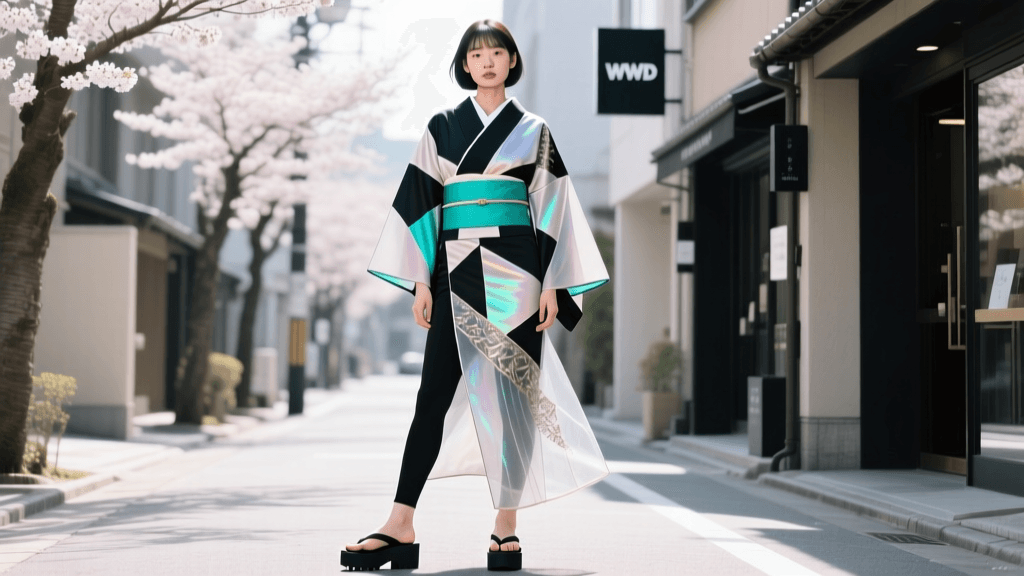
While street-style photography is common globally, Japanese street snap blogs maintain a unique focus on subcultural fusion. In 2026, the trend of 'genderless kimono styling' and the layering of vintage haori (jackets) over technical streetwear has been heavily documented by independent digital photographers and bloggers in the Harajuku and Shimokitazawa districts. These blogs are crucial for observing how traditional silhouettes are deconstructed and reimagined by youth culture, often pairing formal obi-jime (cords) with modern accessories or wearing geta (wooden clogs) with contemporary socks.
2026 Trend Report: What Bloggers Are Covering
Digital journalism is highly responsive to real-world consumer needs. This year, several key themes dominate the discourse among Japanese fashion bloggers covering traditional wear:
- Climate-Adaptive Summer Wear: With rising summer temperatures, bloggers are extensively reviewing the breathability and styling of ro (leno weave) and sha (gauze) summer kimonos, alongside the evolving aesthetics of high-end yukata and jinbei. Digital magazines are publishing guides on how to layer these sheer fabrics over modern undergarments without losing the traditional silhouette.
- Washable Silks and Tech-Textiles: A major focus in 2026 is the review of washable silk kimonos. Fashion journalists are rigorously testing these garments, evaluating whether the convenience of machine-washing compromises the drape and luster of traditional silk, and recommending the best brands for everyday wear.
- Sustainable Sourcing: The environmental impact of fast fashion has driven a massive surge in vintage kimono styling. Bloggers are acting as ethical fashion watchdogs, promoting circular economies by highlighting reputable online and brick-and-mortar recycle shops that preserve the history of the garments they sell.
Comparison Chart: Japanese Fashion Media Landscape
Understanding where to find specific types of traditional garment coverage is crucial for researchers, collectors, and stylists. Below is a comparison of the primary media formats active in 2026.
| Media Format | Update Frequency | Primary Styling Focus | Best For... |
|---|---|---|---|
| Legacy Print Magazines | Quarterly / Seasonal | Formal ceremonies, tea ceremony, bridal | Mastering strict traditional rules and high-end artisan spotlights. |
| Digital News Portals | Daily / Weekly | Runway fusion, designer collaborations | Industry news, textile innovation, and luxury brand movements. |
| Note.com Micro-Blogs | Daily | Vintage sourcing, everyday wear, DIY | Practical buyer's guides, authentication tips, and community Q&A. |
| Street Snap Websites | Weekly | Subculture, avant-garde, street fusion | Visual inspiration, genderless styling, and modern accessory pairing. |
Actionable Guide: Sourcing Garments Featured in Digital Editorials
Reading Japanese fashion blogs is only the first step; acquiring the pieces requires strategic navigation of the domestic market. When digital journalists feature stunning vintage haori or rare Edo-period obi, they are often sourcing from specialized domestic channels. Here is how you can replicate their sourcing strategies in 2026:
- Master the Search Vocabulary: Japanese bloggers use specific terminology. Bookmark searches for アンティーク着物 (antique kimono, typically pre-1945), リサイクル着物 (recycle/vintage kimono), and 作家物 (artist-made/signed pieces).
- Follow the 'Recycle' Shop Reviews: Many independent journalists on Note and Instagram publish monthly reviews of online auction houses and domestic recycle shops. Pay attention to their ratings on 'item condition accuracy' and 'international shipping reliability'.
- Utilize Proxy Services for Domestic Auctions: Bloggers frequently source rare textiles from Japanese auction sites. To access these, international readers must use established proxy buying services that allow you to bid on domestic lots, a method heavily endorsed by digital fashion curators for finding unlisted, high-quality silks.
Conclusion
The realm of Japanese fashion journalism has evolved into a dynamic, multi-platform ecosystem that honors the past while aggressively pushing the boundaries of how traditional garments are worn today. By shifting your focus from legacy print to the agile, hyper-specific digital magazines and independent blogs of 2026, you gain access to a wealth of knowledge regarding textile preservation, sustainable styling, and cultural innovation. Whether you are a collector seeking authentic shibori techniques or a stylist looking to integrate a jinbei into a modern summer wardrobe, Japan’s digital fashion journalists are the ultimate guides to the living tradition of Asian garments.