Hanfu Travel Guide 2026: Packing Hacks & Top Photo Destinations
The Rise of Hanfu Tourism in 2026
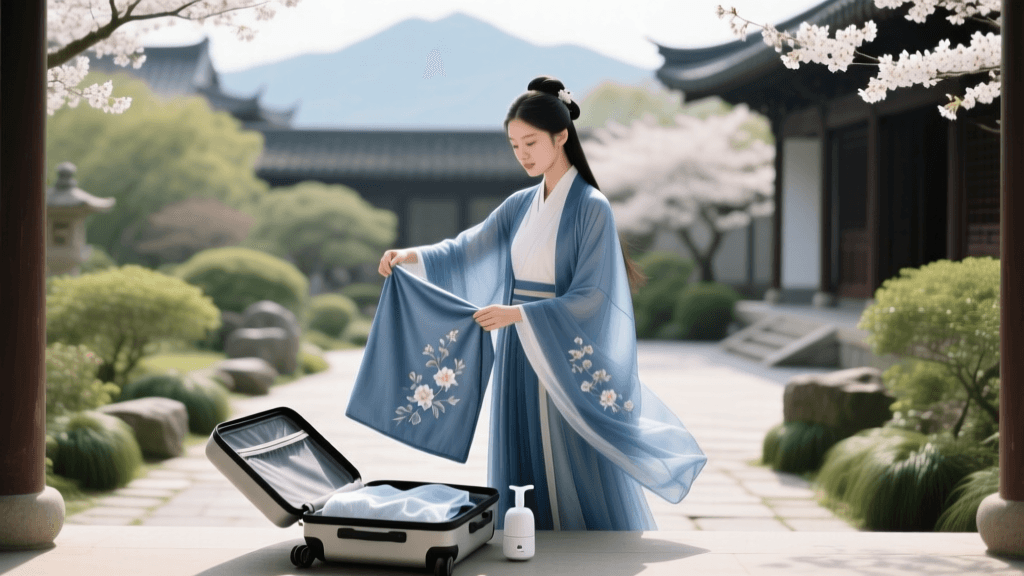
As we move through 2026, the global fascination with traditional Chinese clothing has evolved from a niche hobby into a mainstream cultural tourism phenomenon. Traveling with Hanfu is no longer just about wearing a historical garment; it is about immersive storytelling, architectural photography, and reconnecting with ancient aesthetics in their most authentic settings. Whether you are planning a spring trip to the classical gardens of Jiangnan or an autumn expedition to the ancient capitals of the Central Plains, bringing your own meticulously curated Hanfu wardrobe requires strategic packing. The delicate silks, intricate brocades, and structured pleats of Ming and Song dynasty replicas demand specialized care on the road. This comprehensive guide covers the best 2026 travel gear, expert folding techniques, and the premier destinations for Hanfu photography this year.
Essential Hanfu Packing Gear for 2026 Travelers
Packing traditional garments requires more than just a standard suitcase. The structural integrity of a Mamianqun (horse-face skirt) or the delicate embroidery of a Beizi (cloak) can be easily compromised by improper storage. Here is the essential 2026 packing list for the serious Hanfu traveler:
1. The Right Garment Bag
For long-haul flights or high-speed rail journeys, a structured garment bag is non-negotiable. The Tumi V3 Expandable Garment Bag remains a top-tier choice in 2026, priced around $895. Its patented hanger bracket system keeps your Aoqun (jacket and skirt sets) suspended and wrinkle-free. For budget-conscious travelers, the Zegur Suit Carry-On Garment Bag (approx. $65) offers excellent water resistance and a tri-fold design that accommodates the longer hemlines of Ming dynasty robes without excessive bunching.
2. Portable Steamers for Silk and Brocade
Wrinkles are the enemy of Hanfu photography. The Conair Turbo ExtremeSteam Handheld Fabric Steamer (2026 model, $59) is a travel essential. With a 1500-watt motor and a specialized silicone bristle attachment, it safely relaxes wrinkles from delicate silk organza and heavy jacquard brocades without direct heat damage. Its compact design easily fits into a standard carry-on, and the dual-voltage capability makes it perfect for international travelers connecting through Asian hubs.
3. Compression Cubes for Winter Layers
If you are traveling in late autumn or winter, you will likely pack heavier items like a Doudou (cloak) or fur-lined Bijia (vests). The Eagle Creek Pack-It Isolate Compression Cubes allow you to reduce the volume of these bulky winter garments by up to 50% without crushing the internal batting or delicate trim, saving vital suitcase space for your accessories and hairpieces.
The Art of Folding: Preserving Pleats and Embroidery
Knowing how to fold Hanfu correctly is just as important as the gear you use. The Mamianqun, with its crisp, knife-pleated sides and flat front-and-back panels, is notoriously difficult to pack.
Step-by-Step Mamianqun Packing Method
- Step 1: Align the Panels. Lay the skirt flat on a clean surface. Ensure the flat front and back panels are perfectly aligned, and the side pleats are stacked neatly in their original factory folds.
- Step 2: The Tissue Paper Barrier. Place acid-free archival tissue paper between the pleated sections. This prevents the sharp edges of the pleats from creating permanent crease lines in the silk during transit.
- Step 3: The Roll Technique. Instead of folding the skirt in half (which ruins the horizontal drape), roll the skirt gently from the hem up to the waistband. Rolling prevents hard creases and maintains the fluid drape of the fabric.
- Step 4: Secure the Waistband. Wrap the stiff, embroidered waistband around the rolled skirt and secure it with a soft silk ribbon. Never use rubber bands or tight elastic, which can warp the waistband's structure.
Packing Tops and Jackets
For cross-collar tops (Jiaoling Youren) and standing-collar jackets (Liling Ao), use the 'bundle wrapping' method. Lay the jacket flat, fold the sleeves inward, and place a soft item (like a cotton undershirt or a rolled pair of socks) in the center of the chest. Fold the edges over the soft core. This creates a rounded bundle that prevents sharp creases from forming across the chest embroidery or the delicate pearl-button closures.
Top 4 Hanfu-Friendly Travel Destinations in 2026
Choosing the right backdrop is crucial for your Hanfu photography. In 2026, several cities have heavily invested in Hanfu-friendly infrastructure, offering dedicated changing rooms, historical accuracy consultants, and specialized lighting in public gardens. Below is a comparison of the top destinations for this year.
| Destination | Best Hanfu Era/Style | Peak Photography Season | 2026 Infrastructure & Permits |
|---|---|---|---|
| Xi'an (Shaanxi) | Tang Dynasty (Ruqun, Banbi) | April - May, Sept - Oct | Excellent. Datang Everbright City offers 24/7 access and dedicated Hanfu changing pavilions. |
| Suzhou (Jiangsu) | Song & Ming Dynasty (Beizi, Aoqun) | March - April (Spring) | Moderate. Classical gardens require early morning permits for professional tripods and large crews. |
| Luoyang (Henan) | Wei, Jin & Tang (Wide-sleeve, Hufu) | April (Peony Festival) | High. Luoyi Ancient City is fully pedestrianized and optimized for Hanfu tourism and night shoots. |
| Hangzhou (Zhejiang) | Ethereal/Fairy Styles (Song Dynasty) | Year-round (Best in misty rain) | Good. West Lake perimeter allows casual shooting; specific temples require advance booking for commercial shoots. |
Xi'an: The Tang Dynasty Immersive Experience
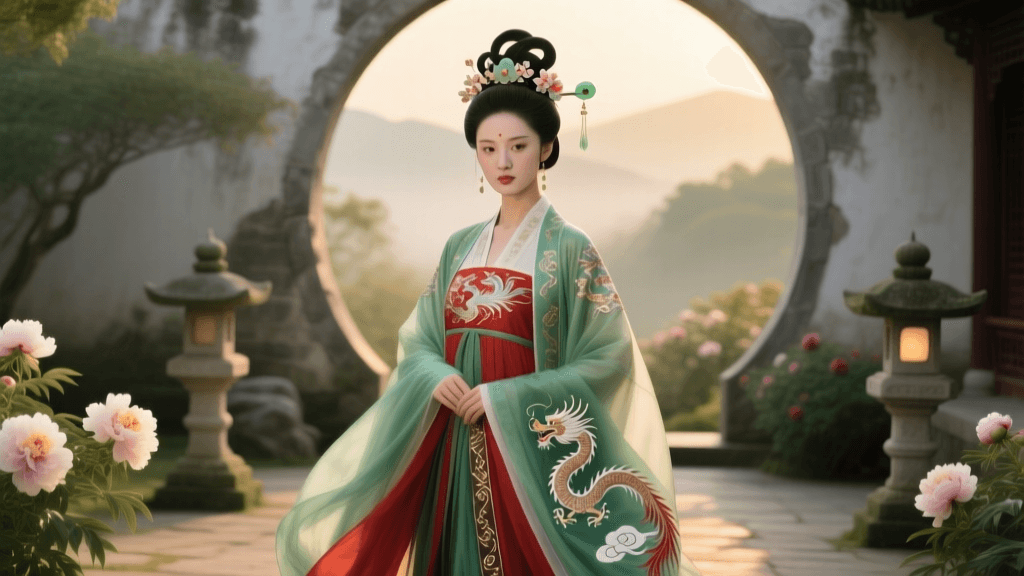
Xi'an remains the undisputed capital of Tang Dynasty Hanfu tourism. According to travel authorities like Lonely Planet's Xi'an resource, the city has masterfully blended ancient heritage with modern immersive tourism. The Datang Everbright City pedestrian district is a neon-lit marvel that perfectly complements the vibrant, heavily embroidered Qixiong Ruqun (chest-high skirts) and Yuanlingpao (round-collar robes) of the Tang era. In 2026, the district has expanded its 'Hanfu Hospitality' program, where local vendors offer complimentary hairpin styling and traditional makeup touch-ups for travelers in full attire. For a more serene, historically grounded shoot, the ancient City Wall provides a sweeping, elevated backdrop during the golden hour just before sunset.
Suzhou: The Elegance of Jiangnan Gardens
For those who prefer the understated elegance of the Song and Ming dynasties, Suzhou is unparalleled. The UNESCO World Heritage Centre recognizes the Classical Gardens of Suzhou as masterpieces of landscape design, making them the perfect setting for the slender silhouettes and muted pastel tones of Song Dynasty attire. The Humble Administrator's Garden and the Master of the Nets Garden offer winding corridors, moon gates, and koi ponds that frame Hanfu photography beautifully. However, travelers must note that as of 2026, Suzhou's garden administration has implemented strict rules regarding commercial photography. If you are traveling with a professional photographer, large reflectors, or heavy tripods, you must apply for a specialized media permit at least two weeks in advance through the local cultural tourism bureau.
Luoyang: The Ancient Capital of Wei and Jin
Luoyang has rapidly emerged as a top-tier destination, particularly during the April Peony Flower Festival. The city's embrace of the Wei and Jin dynasties—which favor flowing, wide-sleeved garments and an ethereal, scholarly aesthetic—makes it a haven for travelers seeking a more poetic, windswept look. The China Highlights regional guides frequently note the seamless high-speed rail connections between Xi'an and Luoyang, allowing travelers to easily combine the grandeur of the Tang dynasty with the philosophical elegance of the Wei era in a single 10-day itinerary. The Longmen Grottoes offer a monumental, spiritual backdrop that contrasts stunningly with the delicate silk of traditional Hanfu.
On-the-Go Garment Maintenance and Emergency Care
Traveling in traditional garments exposes them to the elements. Mud, sudden rain showers, and street food stains are inevitable hazards. Being prepared with a specialized Hanfu first-aid kit is essential for any 2026 traveler.
- Waterless Silk Cleaner: Carry a travel-sized bottle of waterless silk spot cleaner. Traditional dry-cleaning solvents can strip the metallic threads from modern brocades, so a specialized, pH-neutral waterless foam is the safest way to treat accidental spills from tea or street food without water-marking the delicate fabric.
- Anti-Static Spray: Silk and synthetic blends often cling to the legs during dry autumn months, ruining the elegant drape of the skirt. A small bottle of anti-static spray applied to your cotton under-layers (the Zhongyi) will keep the outer skirt flowing gracefully as you walk.
- Hemline Protectors: If you are visiting a site with unpaved paths or muddy gardens, apply a temporary, peel-off fabric hemline protector tape to the inside bottom edge of your skirt. This clear adhesive barrier prevents mud and moisture from wicking up into the silk, and can be peeled off and discarded at the end of the day.
Conclusion
Traveling with Hanfu in 2026 is a deeply rewarding experience that bridges the gap between historical reverence and modern exploration. By investing in the right protective gear, mastering the art of pleat-preserving folds, and selecting destinations that celebrate traditional aesthetics, you can ensure your garments remain as pristine as the memories you create. Whether you are capturing the vibrant energy of Tang-era Xi'an or the quiet poetry of a misty Suzhou garden, thoughtful preparation is the key to a flawless Hanfu journey. Pack wisely, respect the heritage sites, and let the timeless elegance of traditional Asian garments elevate your travel photography to new heights this year.