The Best Hanfu Styles For Qigong And Meditation In 2026
The Intersection of Hanfu and Chinese Wellness Practices
As we navigate the holistic wellness landscape of 2026, the integration of traditional garments into daily mindfulness routines has evolved from a niche cultural appreciation into a mainstream lifestyle choice. Practitioners of Qigong, Tai Chi, and deep meditation are increasingly turning away from synthetic, mass-produced activewear in favor of authentic Hanfu. This shift is not merely aesthetic; it is deeply rooted in the principles of Traditional Chinese Medicine (TCM) and the cultivation of Qi (vital energy). According to the World Health Organization, the global integration of traditional medicine and holistic practices has seen unprecedented growth, with millions adopting movement-based therapies for mental and physical well-being. In 2026, wearing Hanfu during these practices is recognized as a way to harmonize the body's external environment with its internal energy flow.
Why Fabric Choice Matters for Qi Flow
In TCM philosophy, Qi flows through a network of meridians that run just beneath the skin and through the muscles. Tight, restrictive clothing—particularly around the joints, waist, and chest—can create physical blockages that impede this flow. Modern compression wear, while popular in Western fitness, is often viewed as counterproductive for deep Qigong and meditation. The ideal wellness garment must allow for unrestricted diaphragmatic breathing, full joint articulation, and optimal thermoregulation. Furthermore, as highlighted by Harvard Medical School, the meditative and low-impact nature of Tai Chi and Qigong requires clothing that promotes relaxation and sensory comfort, allowing the practitioner to focus entirely on breath and movement rather than physical constriction.
To achieve this, 2026's top wellness-focused Hanfu are crafted from natural, plant-based fibers that interact symbiotically with the human body. These fabrics allow the skin to breathe during vigorous Qigong forms while providing grounding warmth during static meditation.
2026 Fabric Comparison for Meditation and Qigong
| Fabric | Breathability | Moisture Wicking | Drape and Weight | Best Practice Application |
|---|---|---|---|---|
| Ramie (Xia Bu) | Excellent | High | Crisp, Lightweight | Summer Qigong, Active Tai Chi |
| Hemp (Ma) | Very Good | Moderate | Structured, Durable | Outdoor Movement, Grounding Exercises |
| Peace Silk (Ahimsa) | Moderate | Low | Fluid, Heavy | Deep Indoor Meditation, Restorative Yin |
| Organic Linen | Excellent | High | Soft, Fluid | All-Season Indoor Wellness |
As noted by textile historians at The Metropolitan Museum of Art, the historical use of ramie and hemp in Chinese garments was highly prized for their cooling properties and durability. In 2026, modern weaving techniques have softened these traditional fibers, making them incredibly comfortable against the skin without losing their structural integrity.
Top Hanfu Silhouettes for Unrestricted Movement
Selecting the correct Hanfu silhouette is crucial for maintaining proper posture and allowing the full range of motion required in wellness practices. The following styles are the most highly recommended by Qigong masters and Hanfu tailors in 2026.
Song Dynasty Beizi and Songku
The Song Dynasty Beizi (a long, open-front jacket) paired with Songku (wide-legged trousers) is arguably the ultimate Qigong uniform. The Beizi features side slits that run high up the thigh, ensuring that the fabric never catches or pulls when transitioning into deep stances like Ma Bu (horse stance). The open front allows the chest to expand fully during deep abdominal breathing, unlike cross-collared robes that can sometimes feel restrictive across the sternum if tied too tightly. The Songku provides immense freedom for the hips and knees, with a wide leg opening that promotes air circulation and prevents the fabric from clinging to the skin during vigorous sweating.
Ming Dynasty Daopao for Meditation
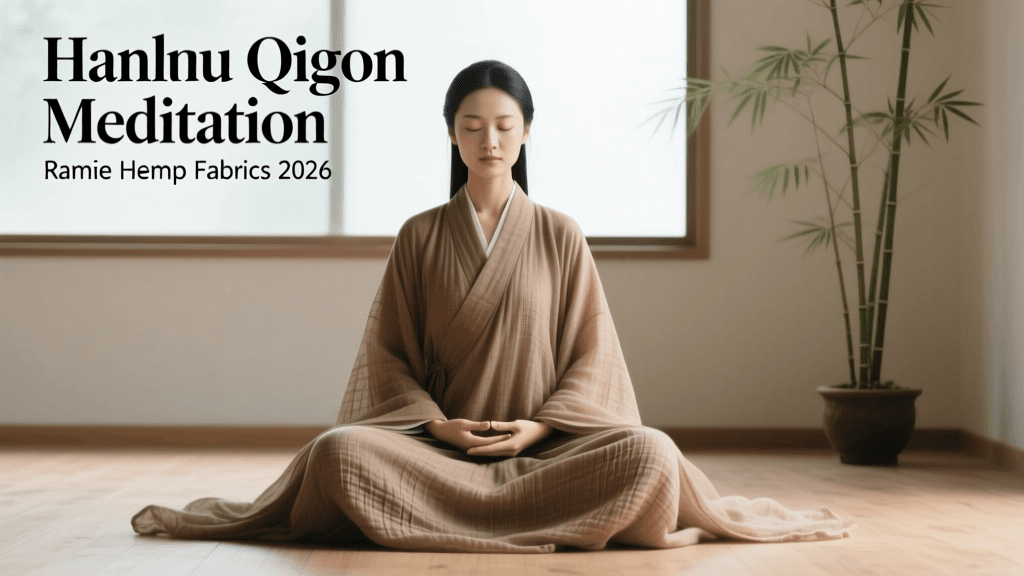
For static meditation, particularly in cooler climates or air-conditioned studios, the Ming Dynasty Daopao is the preferred choice. This full-length robe features wide sleeves and generous side slits. When sitting cross-legged in the lotus or half-lotus position, the side slits allow the fabric to drape elegantly over the knees without creating tension across the lap. The voluminous sleeves act as a natural thermal regulator, trapping warm air during stillness while allowing heat to escape when the arms are raised during opening and closing forms.
The Pifo (Cloud Shoulder) for Grounding
Often worn over a simple inner robe, the Pifo is a decorative and functional shoulder piece that provides targeted warmth to the upper back and neck. In TCM, the Fengchi (Wind Pool) acupressure points at the base of the skull are highly susceptible to cold drafts, which can cause stiffness and disrupt meditation. A lightweight, silk-lined Pifo protects these vital points during early morning outdoor Qigong sessions in autumn and winter.
Sizing and Tailoring for Deep Breathing
Off-the-rack Hanfu is often tailored for standing photography, not dynamic movement. For a wellness-focused wardrobe in 2026, practitioners must request specific tailoring adjustments to accommodate the physiological changes that occur during deep breathing and stance work.
- Chest and Rib Ease: A standard Hanfu jacket might have a 10cm ease allowance. For Qigong, request a 15cm to 18cm ease allowance around the lower ribs to ensure the diaphragm can expand fully without the waistband or sash digging into the torso.
- Songku Inseam and Rise: The crotch drop (rise) of the trousers should be lowered by at least 5cm compared to standard casual wear. This prevents the seams from pulling when sinking into low stances. The inseam should also be slightly longer to account for the trousers riding up when the knees are deeply bent.
- Sleeve Width: Ensure the armhole depth is extended by 3-4cm. This prevents the entire jacket from lifting upward when you raise your arms above your head during 'Holding the Ball' or 'Pushing the Sky' movements.
Natural Eco-Friendly Dyeing and Skin Health
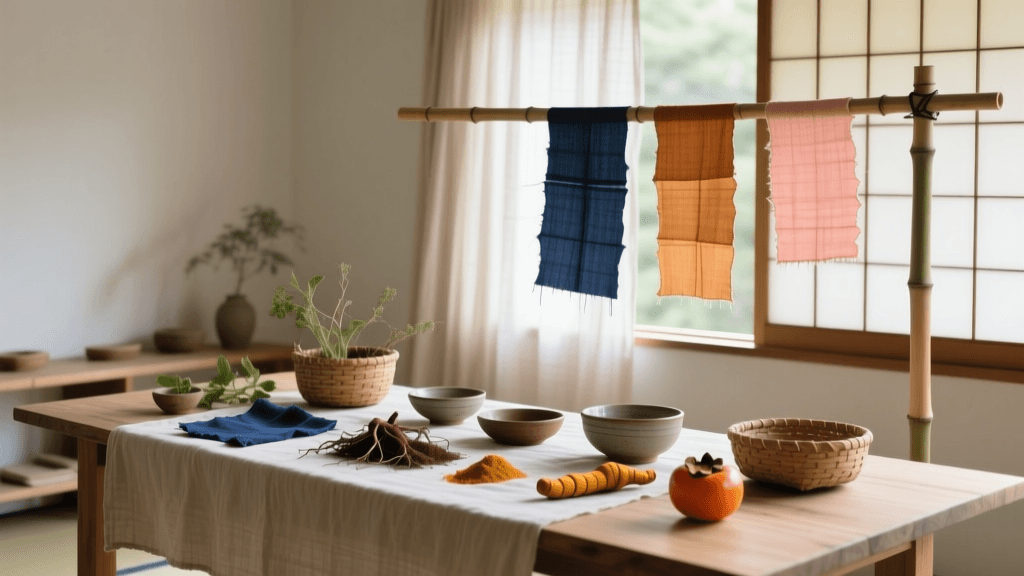
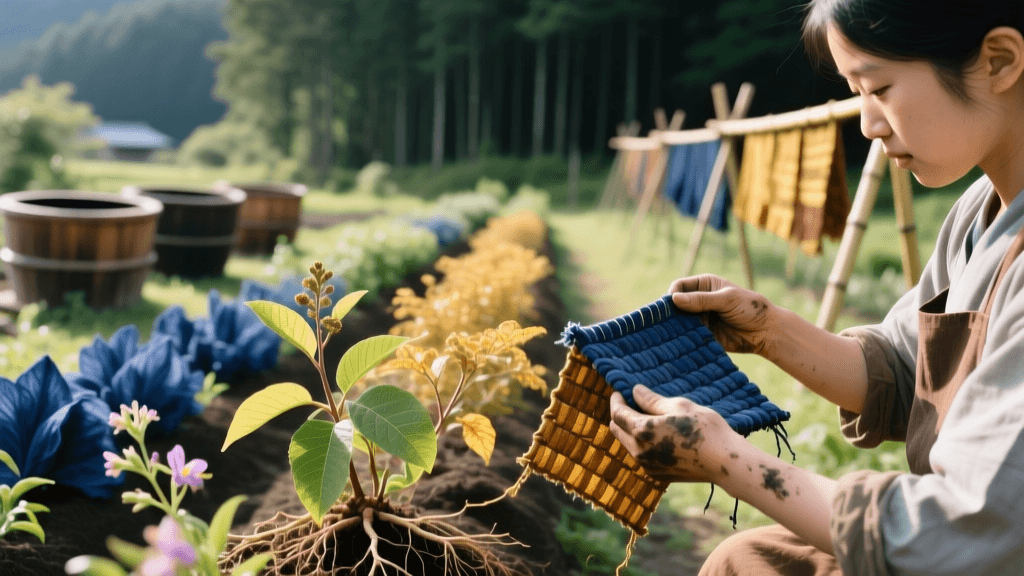
A major trend in 2026 wellness wear is the use of botanical, eco-friendly dyes. Synthetic dyes can contain heavy metals and harsh chemical fixatives that, when activated by sweat and body heat, can cause contact dermatitis or disrupt the skin's natural microbiome. Traditional Chinese botanical dyeing offers a natural alternative that aligns perfectly with holistic health.
Shu Liang (Indigo): Naturally fermented indigo is renowned not just for its beautiful, deep blues, but for its inherent antibacterial and anti-inflammatory properties. Wearing indigo-dyed ramie during intense summer Qigong helps prevent skin irritation and keeps the garment fresher for longer.
Qiancao (Madder Root): Yielding warm reds and earthy terracottas, madder root has been used in traditional herbal medicine to promote blood circulation. While the dye itself is not a medical treatment, the absence of toxic chemical mordants ensures that the skin remains unpolluted during deep, sweat-inducing meditation sessions.
Huang Bo (Amur Cork Tree): This botanical dye produces vibrant yellows and contains natural alkaloids that repel insects—a highly practical feature for practitioners who engage in outdoor morning meditation in parks or forested areas during the humid summer months.
Caring for Your Wellness Hanfu
To maintain the integrity of natural fibers and botanical dyes, proper care is essential. Never machine-wash peace silk or naturally dyed ramie. Instead, hand-wash your wellness Hanfu in cool water using a pH-neutral, plant-based soap. Avoid wringing the fabric; instead, press the water out gently and lay the garment flat to dry in the shade. Direct sunlight will rapidly degrade natural botanical dyes, causing them to fade unevenly. For hemp and linen garments, a light steaming before practice helps to soften the fibers and prepare them for movement.
Building Your 2026 Wellness Wardrobe
Transitioning to a Hanfu-based wellness wardrobe is a deeply personal journey that enhances the mind-body connection. Start with a high-quality, breathable set of Ramie Songku and a lightweight linen Beizi for your active Qigong and Tai Chi routines. As your practice deepens into longer, static meditations, invest in a heavier Peace Silk Daopao to provide grounding weight and thermal comfort. By aligning your external garments with the internal philosophy of your practice, you create a seamless conduit for Qi, allowing your 2026 wellness journey to be as authentic and unrestricted as possible.