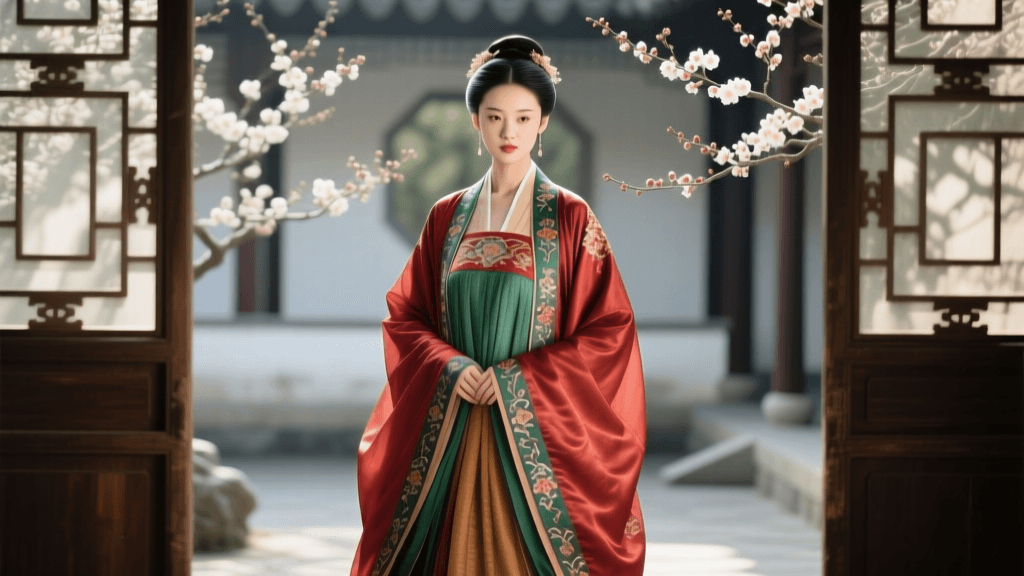
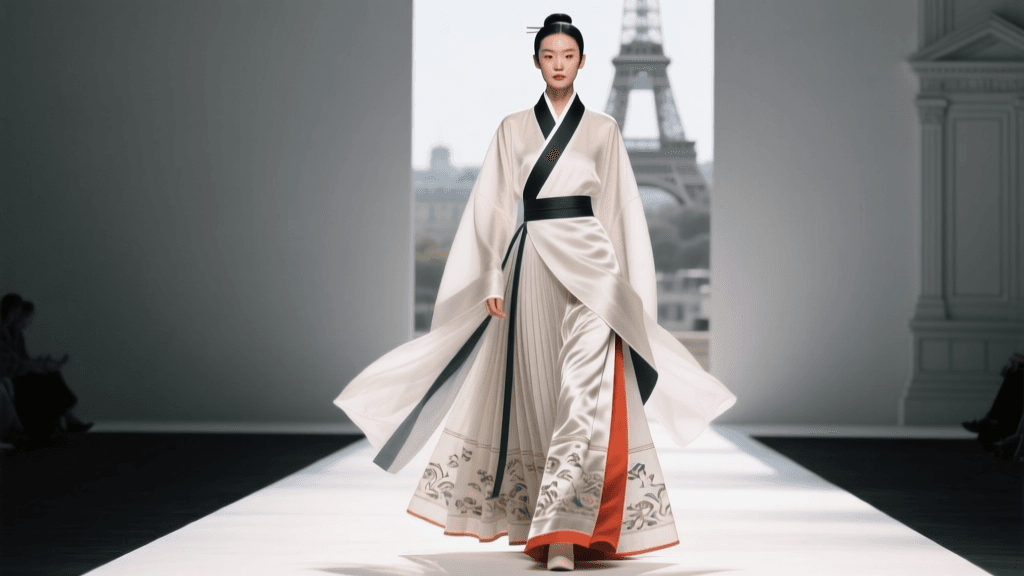
Kimono vs Hanbok vs Cheongsam: 2026 Styling Guide
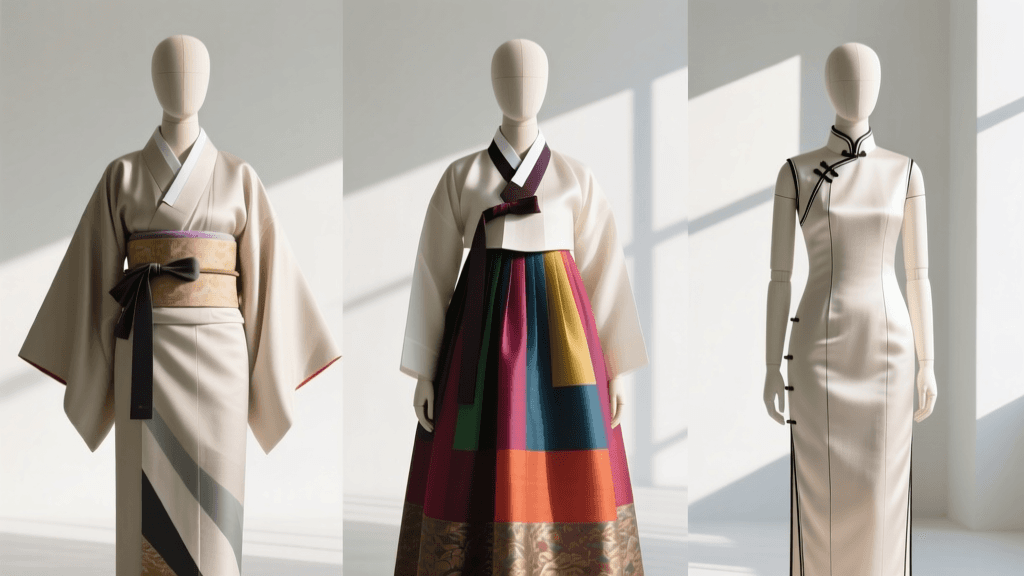
The Evolution of Asian Heritage Garments in 2026
As global fashion continues to embrace cultural heritage and artisanal craftsmanship, the traditional garments of East Asia have firmly secured their place in the modern wardrobe. In 2026, the kimono of Japan, the hanbok of Korea, and the cheongsam (or qipao) of China are no longer relegated solely to ceremonial occasions or historical reenactments. Today's designers and wearers are reimagining these iconic silhouettes for daily life, blending centuries-old construction techniques with contemporary textiles and styling sensibilities. Understanding the foundational differences between these three garments is essential for anyone looking to curate an authentic, respectful, and stylish wardrobe. According to the Victoria and Albert Museum's Asian Collections, the global appreciation for these garments has shifted from mere exoticism to a deep respect for their structural ingenuity and sartorial philosophy.
The Kimono: T-Shaped Elegance and Linear Precision
The Japanese kimono is defined by its T-shaped, straight-seamed construction. Unlike Western tailoring, which cuts fabric to follow the curves of the body, the kimono is constructed from a single bolt of fabric known as a tanmono. This bolt is traditionally about 36 to 40 centimeters wide, dictating the geometric, linear silhouette of the garment. The elegance of the kimono lies not in its cut, but in its drape, the layering of its components, and the artistry of its surface design.
Construction and 2026 Innovations
Traditional kimono construction relies on straight seams and an adjustable waist fold known as the ohashori, which allows the garment to be customized to the wearer's height. In 2026, the market has seen a surge in 'modular kimonos' designed for the modern commuter. These feature hidden elastic channels within the obi (sash) and wrinkle-resistant crepe fabrics that mimic the luster of silk but can be machine-washed. Furthermore, vegan silk alternatives derived from lotus stem fibers and orange peels have become highly sought after in the 2026 sustainable fashion market, offering the brilliant dye absorption of traditional silk without the environmental footprint.
Modern Styling Tips
- Footwear Fusion: Swap traditional zori sandals for sleek, square-toed leather boots to ground the flowing silhouette with a modern edge.
- Minimalist Obi: Instead of the bulky, ceremonial fukuro obi, opt for a thin, leather belt or a woven cotton sash to define the waist without adding bulk.
- Layering: Wear a sheer, modern haori (jacket) over a simple slip dress, or layer a kimono jacket over a tailored turtleneck and wide-leg trousers for winter.
The Hanbok: Voluminous Grace and Structural Curves
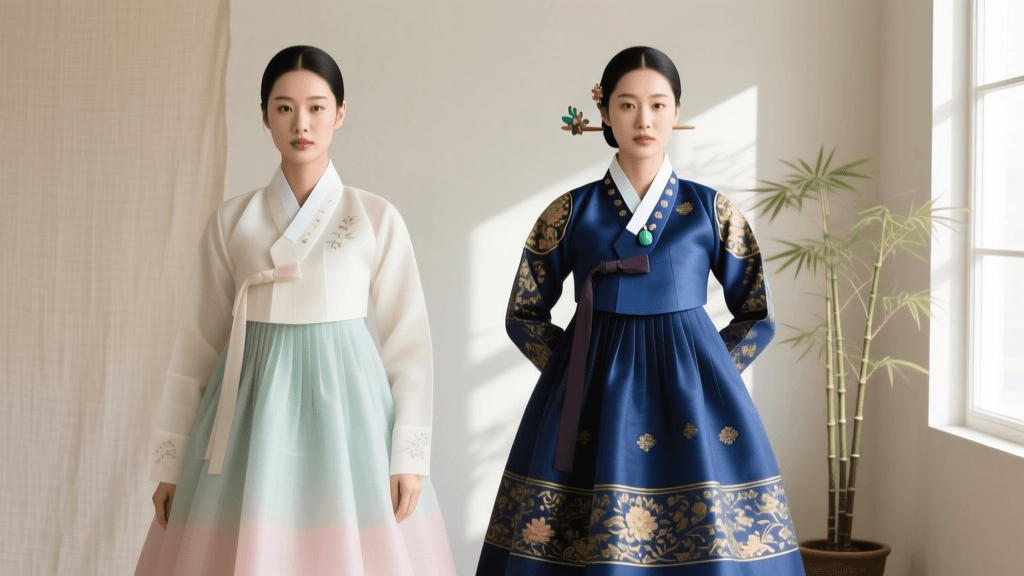
The Korean hanbok is celebrated for its vibrant colors, flowing lines, and distinct two-piece construction. For women, it traditionally consists of the jeogori (a cropped jacket) and the chima (a high-waisted, full skirt). For men, it comprises the jeogori and baji (roomy trousers). The defining characteristic of the hanbok is its three-dimensional volume, which creates a bell-like shape that allows for immense freedom of movement while concealing the body's natural contours.
Construction and 2026 Innovations
The structural genius of the hanbok lies in the baerae, the curved underarm seam of the jeogori that mimics the gentle slope of traditional Korean roof eaves. The goreum (long ribbon ties) secure the jacket, while the crisp white dongjeong (collar) frames the face. The Britannica overview of the Hanbok notes that while the basic structure has remained consistent for centuries, the materials have evolved dramatically. In 2026, the saenghwal hanbok (daily hanbok) movement has matured. Designers are utilizing lightweight hemp-linen blends for summer and structured, machine-washable organza for the chima, eliminating the need for heavy, traditional petticoats. Hidden snap-buttons and magnetic closures are now standard beneath the decorative goreum, making the garment as easy to put on as a modern cardigan.
Modern Styling Tips
- Separtates Styling: Pair a modern, cropped jeogori with high-waisted, wide-leg denim or tailored trousers for a chic, everyday look.
- Skirt Adaptation: Wear the chima as a standalone maxi skirt with a fitted, contemporary knit sweater tucked in to balance the voluminous bottom half.
- Color Palettes: While traditional obangsaek (five cardinal colors) remains popular for ceremonies, 2026 daily wear favors muted, earthy pastels and monochromatic neutral tones.
The Cheongsam (Qipao): Tailored Sophistication and Form
The Chinese cheongsam, or qipao, stands in stark contrast to the linear kimono and the voluminous hanbok. It is a form-fitting, one-piece dress characterized by a high mandarin collar, asymmetrical front flaps (dajin), intricate frog button knots (pankou), and strategic side slits. Originating in the 1920s in Shanghai as a symbol of modern femininity and liberation, the qipao has continually evolved to reflect contemporary aesthetics and the changing role of women in society.
Construction and 2026 Innovations
The tailoring of a qipao requires immense precision, as it must follow the natural curves of the bust, waist, and hips while allowing for movement through the side slits. The pankou knots are not just fasteners but intricate works of textile art. According to historical archives documented by the Encyclopedia Britannica regarding East Asian dress evolution, the qipao represents a unique intersection of Manchu heritage and Western tailoring. In 2026, the most significant innovation in qipao construction is the integration of stretch-brocades and 3D-knitted silks. These fabrics provide the opulent sheen of traditional brocade but offer the comfort and flexibility of activewear. Additionally, modular qipaos with detachable collars and adjustable side-slit zippers allow wearers to customize the garment's modesty and ventilation based on the occasion.
Modern Styling Tips
- Winter Layering: A sleeveless, wool-blend qipao looks incredibly sophisticated layered over a fitted, ribbed turtleneck and paired with sheer tights and loafers.
- Casual Fusion: Opt for a cropped qipao top made of cotton or denim, and pair it with a pleated midi skirt or tailored shorts for a relaxed weekend outfit.
- Hardware Focus: Highlight the pankou knots by choosing a monochromatic dress where the frogs are rendered in contrasting metallic threads or carved jade.
Comparative Analysis: Silhouette, Fabric, and Market Data
To better understand how these garments fit into a 2026 wardrobe, it is helpful to compare their structural and market characteristics side-by-side.
| Feature | Kimono (Japan) | Hanbok (Korea) | Cheongsam / Qipao (China) |
|---|---|---|---|
| Primary Silhouette | Linear, T-shaped, cylindrical | Voluminous, bell-shaped, A-line | Form-fitting, tailored, S-curve |
| Fastening Method | Obi (sash) and ties | Goreum (ribbon ties) / hidden snaps | Pankou (frog knots) / side zippers |
| 2026 Fabric Innovations | Lotus-silk blends, washable crepe | Hemp-linen, lightweight washable organza | Stretch-brocade, 3D-knitted silk |
| Custom Tailoring Focus | Shoulder drop, arm length, hem fold | High-waist placement, sleeve curve | Bust-waist-hip differential, slit height |
| 2026 Base Price (USD) | $150 - $600 (Daily wear) | $80 - $350 (Saenghwal / Daily) | $120 - $500 (Ready-to-wear fusion) |
| Best Climate Adaptation | Layering for cold; sheer ro for heat | Breathable skirts for heat; padded for cold | Stretch fabrics for humidity; wool for winter |
How to Measure for Custom 2026 Tailoring
If you are commissioning a custom garment in 2026, it is vital to understand that Western measurement charts do not directly translate to traditional Asian tailoring. Here is a quick guide on what measurements to prioritize for each garment:
Kimono Measurements
Unlike Western dresses, the kimono does not require bust or waist measurements. The critical metrics are the yuki (the distance from the center back of the neck, over the shoulder, to the wrist) and the mitake (the total length from the back of the neck to the ankle). The width of the garment is largely determined by the standard fabric bolt, though 2026 tailors frequently offer custom wider weaves for plus-size inclusivity.
Hanbok Measurements
The most crucial measurement for the women's hanbok is the high waist, taken just below the bust where the chima will sit. The length from this high-waist point to the floor determines the skirt's volume and drape. For the jeogori, the chest circumference and armhole depth are measured to ensure the baerae curve sits correctly without pulling.
Cheongsam Measurements
The qipao requires the most rigorous measuring process, often involving over 20 distinct data points. Key measurements include the bust, natural waist, hips, and the precise distance between them. Additionally, the tailor will measure the circumference of the neck and the desired height of the side slits, which are calculated based on the wearer's stride length to ensure the dress does not restrict movement when walking or sitting.
Conclusion: Embracing Heritage in the Modern Era
The kimono, hanbok, and cheongsam each offer a unique philosophy on how fabric interacts with the human body. Whether you are drawn to the geometric serenity of the kimono, the joyful volume of the hanbok, or the sculpted elegance of the cheongsam, 2026 offers more accessible, comfortable, and innovative ways to wear these masterpieces than ever before. By understanding their distinct constructions and embracing modern styling techniques, you can seamlessly integrate these profound cultural artifacts into your everyday life, honoring their history while participating in their ongoing evolution.