Hanfu on Global Runways: 2026 Fashion Week Trends & Top Designers
The Hanfu Renaissance: From Heritage to Haute Couture
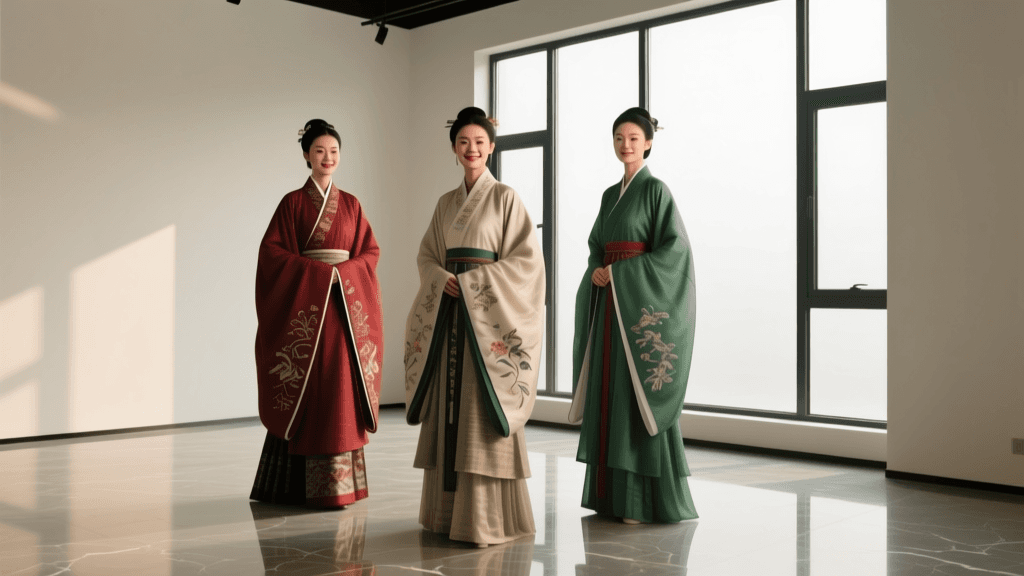
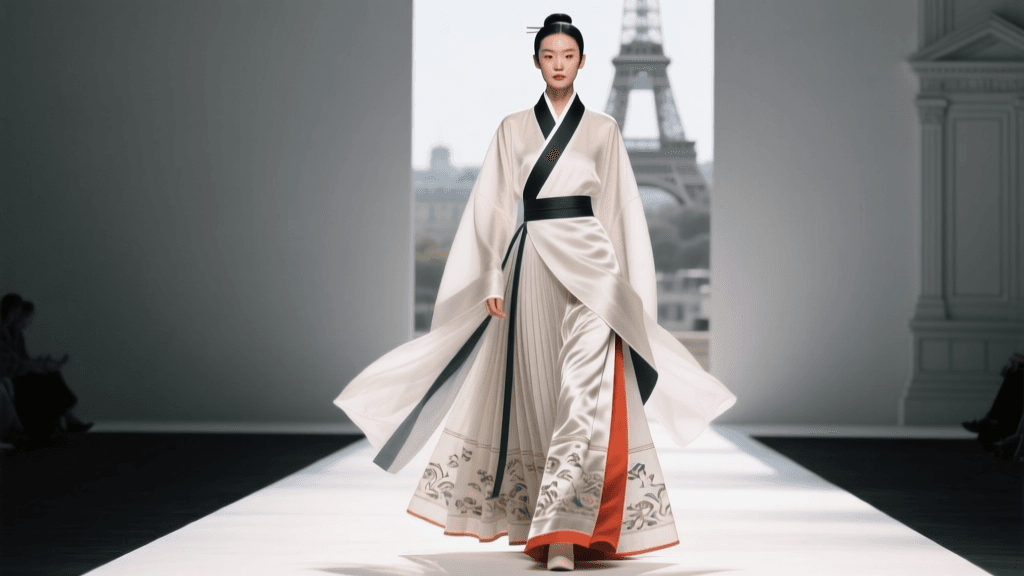
The global fashion landscape in 2026 has witnessed an undeniable paradigm shift, with traditional Chinese garments moving far beyond historical reenactment and streetwear to claim center stage at international fashion weeks. From the grand ateliers of Paris to the avant-garde showrooms of Milan, Hanfu-inspired silhouettes are redefining modern luxury. This year’s Spring/Summer and Fall/Winter collections have showcased a sophisticated fusion of ancient Chinese tailoring and contemporary high fashion, signaling a permanent integration of Asian traditions into the global sartorial lexicon.
Driven by the powerful ‘Guochao’ (national trend) movement, which celebrates Chinese cultural heritage through a modern lens, top-tier designers are no longer merely borrowing superficial motifs like dragons or lotus flowers. Instead, they are deconstructing and elevating the fundamental architecture of traditional Hanfu. The focus in 2026 is on structural integrity, heritage weaving techniques, and the philosophical concepts of flow and modesty that underpin traditional Chinese dress. As international fashion houses collaborate with master artisans from Suzhou and Hangzhou, the runway has become a vibrant canvas for cultural preservation and innovation.
For fashion enthusiasts, cultural historians, and industry professionals alike, understanding this evolution is crucial. The integration of Hanfu on global runways is not a fleeting trend; it is a profound recalibration of fashion’s historical narrative, placing Asian craftsmanship at the pinnacle of 2026 luxury.
The Mamianqun: 2026’s Most Coveted Runway Silhouette
If there is one garment that has unequivocally dominated the 2026 global runways, it is the Mamianqun, or horse-face skirt. Originating in the Ming Dynasty, this iconic skirt is characterized by its flat front and back panels (the ‘horse faces’) flanked by intricate, overlapping side pleats. Historically valued for its elegance and practicality, the Mamianqun has been radically reimagined by contemporary designers for the modern runway.
Structured Pleats and Modern Textiles
In 2026, the traditional silk brocades of the Mamianqun are being juxtaposed with unexpected, high-tech materials. Designers are utilizing recycled structural polyesters and vegan leathers to create pleats that hold their architectural shape even in the humid conditions of outdoor fashion week venues. The flat panels are being used as canvases for digital printing and laser-cut embroidery, blending ancient symbolism with futuristic aesthetics. Furthermore, the waistband—traditionally a simple white cotton or silk tie—has been upgraded with corsetry-inspired boning and heavy metallic hardware, bridging the gap between traditional modesty and modern edge.
The versatility of the Mamianqun is also a major draw for international stylists. On the runways of New York and London, we have seen these skirts paired with oversized, deconstructed blazers, cropped leather moto jackets, and even sheer, asymmetrical knitwear. This styling approach strips the garment of its purely ceremonial context, positioning it as a powerhouse piece for the modern, cosmopolitan wardrobe.
Xiangyunsha and Song Brocade: Luxury Fabrics Take Center Stage
The true luxury of 2026’s Hanfu-inspired collections lies not just in the silhouette, but in the profound heritage of the textiles. Two fabrics, in particular, have captured the attention of global fashion critics and luxury conglomerates: Xiangyunsha (gambiered silk) and Song brocade.
Xiangyunsha, often referred to as ‘mud silk,’ is a marvel of sustainable, natural dyeing. The silk is repeatedly dyed with the juice of the yam root, laid out on grass to dry in the sun, and finally coated with iron-rich river mud from the Pearl River Delta. This arduous, entirely manual process results in a fabric that is water-resistant, exceptionally breathable, and possesses a distinctive, subtle rustling sound when worn. Recognized for its immense cultural value, the traditional sericulture and silk craftsmanship of China are officially protected as intangible cultural heritage, a testament to the meticulous artistry required to produce such textiles, as documented by UNESCO’s Intangible Cultural Heritage registry.
On the 2026 runways, Xiangyunsha is being used to craft flowing Beizi (traditional jackets) and wide-legged trousers that offer a striking, structured drape. Its deep, earthy tones—ranging from rich mahogany to obsidian black—provide a grounding, organic contrast to the neon and synthetic palettes that have dominated streetwear in recent years. Meanwhile, Song brocade, with its complex, multi-layered weaving techniques and subtle, tonal patterns, is being utilized for evening gowns and tailored outerwear, offering a refined alternative to heavy European jacquards.
Designer Spotlights: Bridging East and West
The integration of Hanfu into high fashion is being spearheaded by a diverse cohort of designers who possess a deep, scholarly understanding of Chinese garment history. Rather than relying on Western interpretations of ‘Orientalism,’ these creators are looking inward to historical texts and archaeological textiles to inform their 2026 collections.
The historical foundation of these garments is critical. As noted by The Metropolitan Museum of Art’s Heilbrunn Timeline of Art History, the evolution of Chinese silk and garment construction is a complex narrative of trade, technology, and social hierarchy that spans millennia. Designers today are honoring this depth by collaborating directly with heritage weaving villages. By bringing master weavers from Nanjing and Suzhou into the design process, fashion houses are ensuring that the structural integrity of the Ruqun (blouse and skirt ensemble) and the precise draping of the Shenyi (deep robe) are respected and accurately translated for the modern body.
This collaborative approach has caught the attention of global market analysts. According to insights from The Business of Fashion’s global markets coverage, the luxury sector is increasingly looking toward Asia not just as a consumer base, but as a wellspring of creative direction and artisanal excellence. The 2026 fashion weeks have proven that Hanfu is a highly viable, commercially successful pillar of the global luxury market.
Comparative Analysis: Traditional Hanfu vs. 2026 Runway Adaptations
To truly appreciate the evolution of Hanfu on the global stage, it is helpful to compare the strict historical parameters of the garments with the creative liberties taken by 2026 runway designers. The table below outlines these key adaptations.
| Garment Element | Traditional Hanfu (Ming/Song Dynasties) | 2026 Runway Adaptation |
|---|---|---|
| Mamianqun Pleats | Hand-pressed silk, requiring careful maintenance and flat storage. | Heat-set structural polyesters or blended wools that retain sharp pleats dynamically during movement. |
| Closures | Fabric ties (pankou) and sashes; no buttons or zippers. | Hidden magnetic closures, custom-cast brass zippers, and oversized, sculptural pankou made of resin or metal. |
| Sleeve Proportions | Pipa sleeves or massive, floor-sweeping wide sleeves (Guangxiu). | Detachable wide sleeves, or dramatic volume concentrated at the shoulder with tapered, fitted cuffs. |
| Collar Geometry | Strictly cross-collared (Jiaoling Youren), wrapping left over right. | Exaggerated, stiffened cross-collars that frame the face like architectural lapels, sometimes worn open over modern turtlenecks. |
| Layering | Multiple opaque layers of inner garments (Zhongyi) for modesty and warmth. | Strategic layering with sheer organza, mesh, or contrasting tailored waistcoats to create visual depth without bulk. |
Actionable Styling: Incorporating Runway Hanfu into Your Wardrobe
While the runway presents an idealized, avant-garde vision of Hanfu, translating these concepts into a wearable, everyday wardrobe requires a thoughtful approach to styling. The key to mastering the 2026 Hanfu aesthetic is balance: pairing the voluminous, flowing nature of traditional garments with structured, contemporary basics.
The Mamianqun as a Statement Piece
The most accessible entry point into runway-inspired Hanfu is the Mamianqun. For a sophisticated office or evening look in 2026, select a midi-length Mamianqun in a solid, dark hue or a subtle, tonal brocade. Pair it with a sharply tailored, cropped wool blazer. The rigidity of the blazer grounds the fluid movement of the skirt’s pleats. Footwear should be modern and minimalist; a pair of sleek, square-toed leather ankle boots or architectural loafers will prevent the outfit from looking like a costume, anchoring it firmly in contemporary fashion.
Modernizing the Beizi (Traditional Jacket)
The Beizi, a traditional straight-cut jacket with side slits, is incredibly versatile. On the runways, designers have shortened the hemline and added structured shoulder pads. To replicate this, look for a modern, hip-length jacket with a mandarin or stand collar. Wear it unbuttoned over a simple, high-quality silk camisole and wide-leg, high-waisted trousers. This creates a long, vertical silhouette that is both deeply rooted in Asian tradition and perfectly aligned with 2026 minimalism.
Accessory Pairings and Hair
Avoid traditional hair sticks and heavy jade jewelry unless you are attending a specific cultural event. Instead, lean into the runway trend of mixing heritage with industrial hardware. Pair your Hanfu-inspired pieces with chunky, matte-silver chain necklaces, oversized leather belts worn over the natural waist of a Ruqun, and structured, geometric handbags. Keep hair sleek and modern—a sharp, low chignon or a slicked-back bob complements the intricate collars and necklines of traditional garments without competing for attention.
The Future of Asian Traditions in Global Fashion
The presence of Hanfu on the 2026 global runways is a definitive statement about the future of fashion. It signifies a move away from the rapid, disposable cycles of fast fashion toward a deeper appreciation for garment architecture, historical continuity, and artisanal craftsmanship. As international audiences become more educated about the specific dynasties, weaving techniques, and philosophical meanings behind these garments, the demand for authentic, high-quality Hanfu-inspired luxury will only continue to grow.
For The Garment Atlas, tracking this evolution is not just about observing trends; it is about documenting the living, breathing history of Asian traditions as they adapt and thrive on the world stage. The 2026 fashion weeks have proven that Hanfu is not a relic of the past, but a dynamic, evolving language of style that will continue to shape the global fashion narrative for decades to come.