Top Chinese Fashion Journalism Blogs & Creators for 2026
The Renaissance of Chinese Fashion Journalism in 2026
The landscape of Asian traditional garment coverage has undergone a seismic shift over the last decade, but 2026 marks a definitive turning point for Chinese fashion journalism. What began as a niche subculture of historical reenactors has evolved into a multi-billion-RMB industry supported by rigorous, decentralized digital journalism. Today, independent content creators, micro-bloggers, and video essayists are the primary authorities on traditional Chinese textiles, outpacing legacy print magazines in both depth of research and cultural influence.
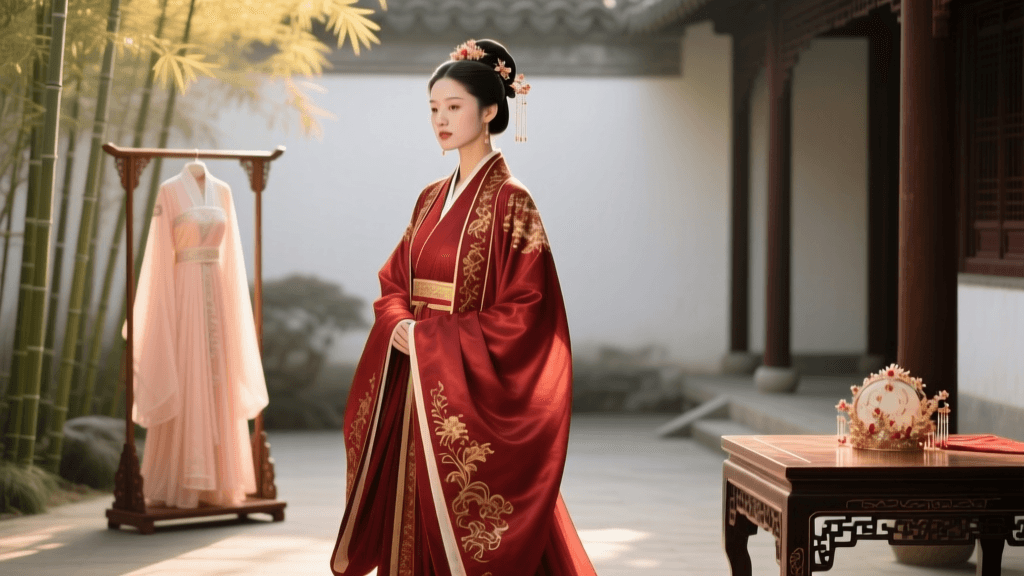
For international researchers, heritage brands, and fashion enthusiasts, understanding this ecosystem is no longer optional. The modern Chinese fashion journalist does not merely report on runway trends; they decode the weave structures of Ming dynasty Mamianqun (horse-face skirts), investigate the ethical sourcing of Xiangyunsha (gambiered Canton gauze), and hold commercial brands accountable for historical inaccuracies. This comprehensive guide explores the most influential platforms, key thematic shifts, and actionable strategies for engaging with China's traditional fashion media landscape in 2026.
From Streetwear to Scholarly Analysis: The Maturation of 'Guochao'
The Guochao (national trend) movement has matured significantly. In the early 2020s, coverage was heavily focused on the aesthetic fusion of streetwear and traditional motifs. By 2026, the discourse has pivoted toward material culture, historical authenticity, and sustainable heritage crafts. Top-tier creators now operate as hybrid journalist-historians, frequently referencing foundational archives such as the Victoria and Albert Museum's extensive archive on Chinese textiles and the Metropolitan Museum of Art's Heilbrunn Timeline on Chinese dress to ground their critiques in verifiable history.
This demand for accuracy has given rise to the phenomenon colloquially known as the 'Hanfu Police'—a network of highly knowledgeable bloggers who meticulously review commercial garments for structural and historical fidelity. While initially feared by mass-market brands, these creators have become essential consultants, driving a market-wide improvement in the quality of traditional garments available to consumers in 2026.
The Big Three: Platforms Dominating Traditional Fashion Coverage
To navigate Chinese fashion journalism, one must understand the distinct editorial styles of the three dominant platforms. Each serves a unique function in the content ecosystem.
1. Xiaohongshu (Little Red Book): The Visual & Commercial Hub
Xiaohongshu remains the undisputed king of visual fashion journalism and consumer reviews. In 2026, the platform's algorithm heavily favors 'slow fashion' and educational carousels. Top creators here publish 10-page visual essays detailing the drape, weight, and embroidery techniques of specific garments. It is the primary platform for 'OOTD' (Outfit of the Day) historical adaptations and brand unboxings. Journalists on this platform excel at translating dense historical textile data into digestible, highly aesthetic infographics.
2. Bilibili: The Home of the Video Essayist
If Xiaohongshu is for visual discovery, Bilibili is for deep-dive documentary journalism. 'UP Hosts' (Bilibili's term for creators) produce 20- to 40-minute video essays analyzing everything from the chemical processes of traditional indigo vat dyeing to the socio-economic implications of Song dynasty silk trade routes. Bilibili's弹幕 (danmaku, or bullet comments) feature allows audiences to fact-check and add historical context in real-time, creating a collaborative, peer-reviewed journalism environment unique to the platform.
3. WeChat Official Accounts: Long-Form Investigative Journalism
WeChat remains the bastion of long-form, text-heavy journalism. Independent researchers and cultural critics use WeChat Substacks to publish 5,000-word treatises on regional embroidery techniques, complete with high-resolution macro photography of antique textiles. These accounts are frequently cited by academic institutions and are the most trusted source for serious industry analysis and market forecasting.
2026 Platform Comparison for Fashion Journalists
| Platform | Primary Content Format | Audience Demographic (2026) | Best Use Case for Brands & Researchers | Avg. Sponsored Post Cost (Mid-Tier) |
|---|---|---|---|---|
| Xiaohongshu | Visual Carousels, Short Video | Gen Z & Millennials, 70% Female | Product reviews, styling guides, visual brand awareness | 8,000 - 15,000 RMB |
| Bilibili | Long-form Video Essays | Gen Z, High Student/University Population | Deep-dive brand documentaries, craft process transparency | 25,000 - 45,000 RMB |
| Long-form Text, Photo Essays | Millennials, Gen X, Industry Professionals | Thought leadership, historical validation, B2B networking | 15,000 - 30,000 RMB |
Key Themes Dominating 2026 Coverage
The Xiangyunsha Revival and Eco-Conscious Dyeing
Sustainability is no longer a Western import in Chinese fashion journalism; it is being reclaimed through indigenous heritage. Xiangyunsha, a silk dyeing technique using mud and yam juice, is a massive focal point in 2026. Journalists are heavily scrutinizing the ecological impact of mass-produced imitations versus authentic, sun-dried, mud-coated silks from Guangdong. Content creators are actively promoting the UNESCO-recognized sericulture and silk craftsmanship heritage, pushing consumers to invest in fewer, higher-quality, naturally dyed garments.
The 'Everyday Hanfu' vs. 'Ceremonial Accuracy' Debate
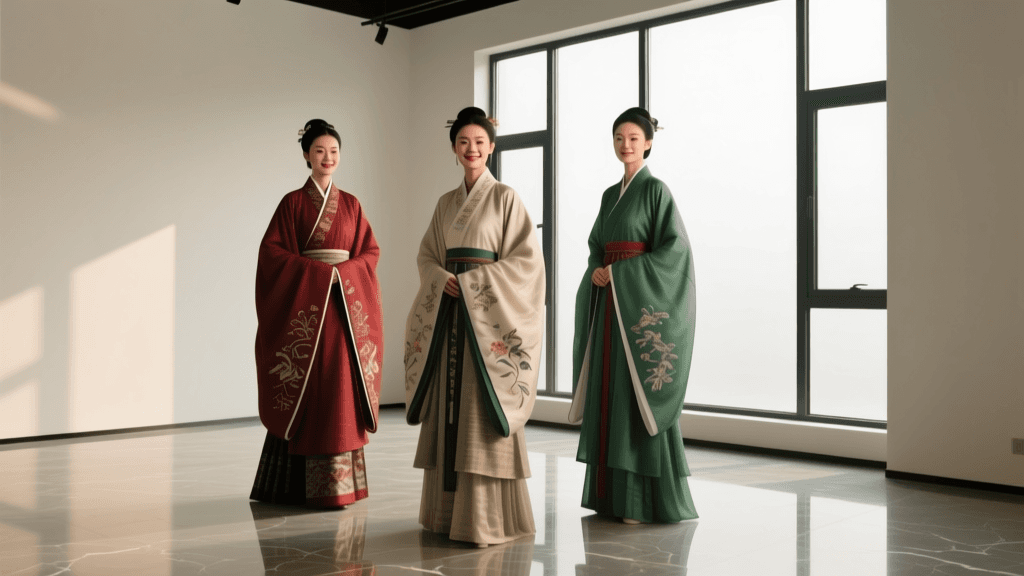
A major editorial divide in 2026 is the philosophical debate over how traditional garments should be worn. 'Everyday Hanfu' advocates champion the integration of Mamianqun and Song-style Beizi (jackets) into modern corporate wardrobes, prioritizing comfort and washable fabrics. Conversely, 'Ceremonial Accuracy' journalists argue that altering traditional silhouettes and using synthetic blends dilutes the cultural weight of the garments. This debate generates massive engagement and is a staple of WeChat editorial columns.
Textile Forensics: Kesi and Song Brocade
High-end fashion journalism on Bilibili has introduced 'textile forensics' to the mainstream. Creators use digital microscopes to analyze Kesi (cut silk tapestry) and Song Brocade, educating consumers on how to identify genuine hand-woven structures versus modern Jacquard loom imitations. This level of scrutiny has forced commercial brands to be radically transparent about their supply chains and manufacturing methods.
Actionable Advice for Engaging with Chinese Fashion Creators
For heritage brands, textile manufacturers, and international researchers looking to collaborate with or pitch to Chinese fashion journalists in 2026, a nuanced approach is required.
- Ditch the Press Release: WeChat and Bilibili journalists despise generic PR pitches. When reaching out, provide high-resolution macro shots of your textile weaves, detailed historical references, and transparent supply chain data. They value primary research over marketing copy.
- Embrace the Critique: If you send a product to a Xiaohongshu Hanfu reviewer, be prepared for honest, sometimes harsh, feedback regarding historical inaccuracies or fabric quality. Brands that publicly respond to critiques and improve their next production run earn immense respect and loyalty from the community.
- Optimize for Platform-Specific SEO: On Xiaohongshu, do not just use broad tags like #Hanfu. Use hyper-specific 2026 search terms such as '#MingDynastyMamianqunWeave', '#XiangyunshaCare', and '#SongBrocadeAnalysis'. The algorithm heavily rewards niche, educational keyword clustering.
- Budget for Long-Form Video: If your goal is brand prestige and historical validation, allocate your marketing budget toward a Bilibili UP host. A well-researched 20-minute documentary on your brand's dedication to reviving a specific regional embroidery technique will yield a longer shelf-life and higher cultural ROI than dozens of short-form influencer posts.
Conclusion
The realm of Chinese fashion journalism in 2026 is a vibrant, intellectually rigorous, and highly influential ecosystem. Content creators have transcended the role of mere influencers to become cultural custodians, textile scientists, and historical watchdogs. For anyone invested in the future of Asian traditional garments, engaging with these digital journalists is the most effective way to understand, respect, and participate in the ongoing renaissance of Chinese sartorial heritage. Whether through a meticulously researched WeChat essay or a visually stunning Xiaohongshu carousel, the story of traditional Chinese fashion is being written, debated, and preserved in real-time by a new generation of digital scholars.