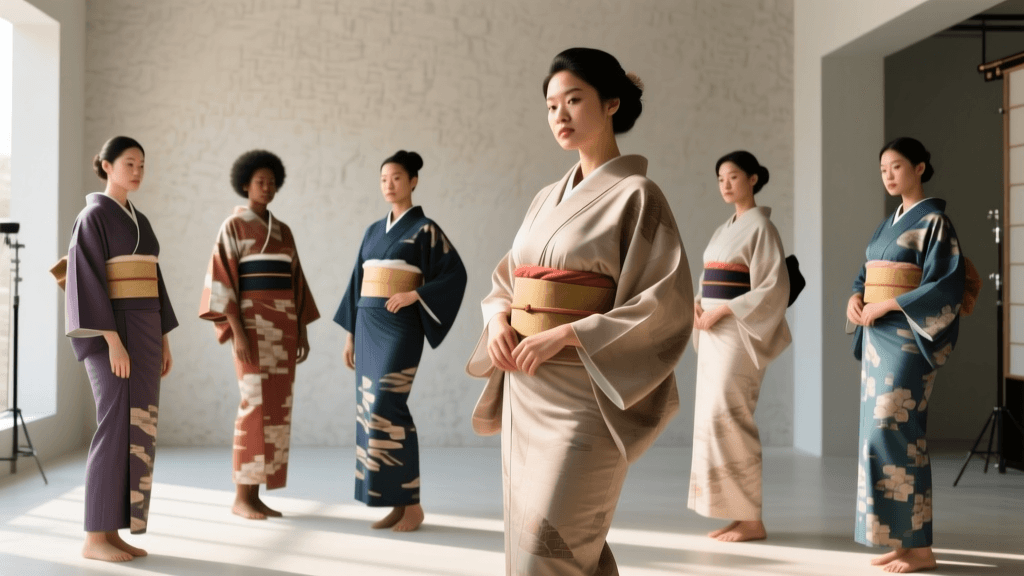
Modern Haori Styling: The Japanese Streetwear Revival
The Evolution of the Haori: From Edo Period to Harajuku
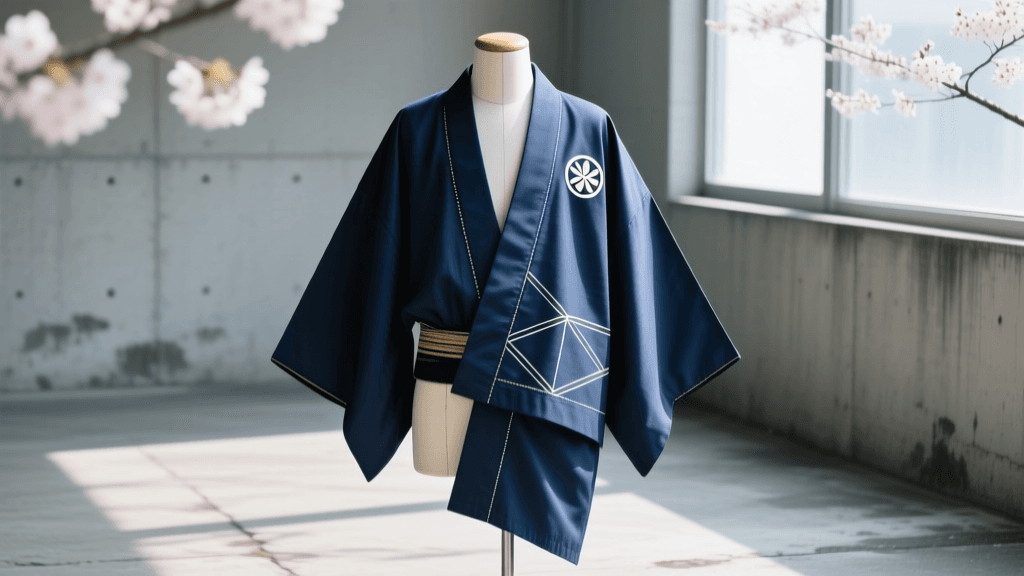
The haori, a traditional Japanese hip- or thigh-length jacket, has undergone one of the most fascinating transformations in global fashion history. Originally worn over the kimono by samurai and wealthy merchants during the Edo period (1603–1867), the haori was heavily regulated by sumptuary laws. To bypass these restrictions, artisans developed the concept of iki—an understated, hidden elegance. While the exterior of the haori was often plain, dark silk, the interior lining featured breathtaking, hand-painted landscapes or vibrant family crests, visible only in motion.
Today, this historic garment has been reclaimed by the streetwear community. From the neon-lit alleys of Harajuku to the minimalist boutiques of Daikanyama, the haori is no longer reserved for tea ceremonies or weddings. It has become a cornerstone of modern street fashion, celebrated for its fluid silhouette, gender-neutral appeal, and unparalleled layering capabilities. According to the Metropolitan Museum of Art, the structural foundation of Japanese dress relies on straight-line cutting and minimal fabric waste, a philosophy that deeply resonates with today's sustainable and avant-garde streetwear designers.
Why the Haori is Dominating Modern Street Fashion
The integration of the haori into contemporary wardrobes is not merely a fleeting trend; it is a cultural revival driven by a desire for garment longevity and unique silhouettes. Unlike Western jackets that rely on darts, padding, and complex tailoring to fit the body's contours, the haori is constructed from rectangular panels. This creates a boxy, oversized drape that perfectly aligns with the modern streetwear aesthetic, which heavily favors relaxed, deconstructed fits.
Furthermore, the global push towards genderless fashion has propelled the haori into the spotlight. Because traditional Japanese garments are not inherently gendered in their structural cut—relying instead on the obi (belt) and styling for differentiation—the haori serves as a universal canvas for self-expression. As highlighted by the Victoria and Albert Museum in their exploration of Japanese textiles on the global catwalk, the fluidity of the kimono and haori continues to inspire contemporary designers who seek to break away from rigid Western tailoring norms.
Practical Guide: Sizing and Measurements for the Modern Haori
Buying a haori for streetwear requires a shift in how you think about sizing. Traditional Japanese garments are not sized in Small, Medium, or Large. Instead, they are measured by specific dimensions. When hunting for vintage or contemporary haori, you must understand three critical measurements to achieve the perfect streetwear drape.
- Yuki (Center Back to Wrist): This is the most crucial measurement for the oversized streetwear look. It measures from the center back of the neck, across the shoulder, and down to the wrist. For a modern, relaxed fit, look for a Yuki that is 2 to 4 inches longer than your actual arm span. A standard vintage men's Yuki is around 78-82 cm (30-32 inches), while women's are typically 60-64 cm (24-25 inches). Streetwear enthusiasts often buy men's vintage haori regardless of gender to achieve a dramatic, dropped-shoulder silhouette.
- Take (Length): Measured from the base of the collar down the back to the hem. A traditional haori falls at the hip or mid-thigh. For streetwear, a Take of 80-95 cm (31-37 inches) provides an ideal mid-thigh length that layers beautifully over longline t-shirts and hoodies without overwhelming the frame.
- Sode (Sleeve Depth): This measures the vertical drop of the sleeve from the shoulder seam to the bottom edge. Traditional haori feature deep, open sleeves that act as built-in pockets. A Sode depth of 45-55 cm creates the iconic 'wing' effect when walking, adding kinetic energy to your outfit.
Pro-Tip for Streetwear Sizing: Ignore the original gender designation of vintage haori. Focus strictly on the Yuki and Take measurements. A shorter Yuki will give a cropped, boxy jacket look, while a longer Yuki will provide a flowing, cardigan-like drape.
Cost Breakdown and Sourcing Strategy
Entering the haori market can be overwhelming due to the vast disparity in materials, ages, and craftsmanship. Below is a structured comparison to help you budget and source the right piece for your streetwear rotation.
| Haori Type | Material | Average Cost (USD) | Best For | Durability & Care |
|---|---|---|---|---|
| Vintage Silk (Mid-Showa Era) | 100% Silk, Jacquard weaves | $40 - $150 | Statement pieces, high-fashion layering | Delicate; requires dry cleaning or spot care |
| Modern Cotton/Linen | Cotton, Hemp, Linen blends | $80 - $250 | Daily streetwear, summer festivals, casual wear | High; machine washable (cold, gentle cycle) |
| Upcycled/Boro Style | Patched cotton, sashiko stitching | $200 - $600+ | Techwear clash, grunge aesthetics, collectors | Very High; the patches reinforce weak points |
| Contemporary Streetwear Brand | Nylon, Tech-fleece, Poly-blends | $150 - $400 | Inclement weather, techwear, modern minimalism | High; designed for urban environments |
For beginners, sourcing vintage silk haori from Japanese proxy auction sites or specialized online kimono vendors offers the best entry point. You can often find exquisitely lined, mid-century silk haori for under $100, a fraction of the cost of contemporary designer outerwear.
How to Style the Haori: 3 Streetwear Formulas
Integrating a traditional garment into a modern wardrobe requires balancing proportions and textures. Here are three actionable styling formulas to seamlessly blend the haori into your streetwear rotation.
Formula 1: The Harajuku Techwear Clash
Contrast the ancient, fluid drape of the haori with the hyper-modern, utilitarian lines of techwear.
The Build: A dark, monochrome silk or nylon haori worn over a fitted, moisture-wicking turtleneck. Pair with technical cargo pants featuring multiple straps and buckles.
Footwear: Chunky, aggressive sneakers or tactical boots.
Why it works: The rigid, synthetic textures of techwear highlight the organic, historical craftsmanship of the haori, creating a visually striking, futuristic-samurai aesthetic.
Formula 2: Minimalist Kyoto (Elevated Casual)
Embrace the concept of wabi-sabi (finding beauty in imperfection and simplicity) through muted tones and natural fabrics.
The Build: A washed cotton or linen haori in earth tones (indigo, olive, or charcoal). Layer over a heavyweight, boxy graphic tee.
Bottoms: Modern, wide-leg hakama pants or pleated trousers that mimic the traditional silhouette but function like wide-leg denim.
Footwear: Leather derby shoes or minimalist white sneakers.
Why it works: This look is highly wearable for daily life, art gallery visits, or casual dinners, offering comfort without sacrificing architectural silhouette.
Formula 3: The Vintage Denim Bridge
Bridge American heritage workwear with Japanese tradition.
The Build: A vintage, patterned silk haori (left open, secured only by the short interior ties or a modern carabiner clip).
Under-layer: A faded, vintage band tee or a heavyweight hoodie.
Bottoms: Selvedge denim jeans, cuffed at the hem to show off the footwear.
Footwear: Classic canvas sneakers or rugged work boots.
Why it works: Denim and vintage silk share a common language of fading, aging, and personalization. The stiffness of the denim grounds the delicate movement of the haori.
Caring for Your Streetwear Haori
Treating a vintage haori like a standard hoodie will destroy it. The Smithsonian National Museum of Asian Art emphasizes that historical Japanese textiles require specific environmental considerations to maintain their structural integrity and dye vibrancy. For vintage silk pieces, avoid direct sunlight, which will rapidly fade the natural dyes and weaken the protein fibers.
Instead of frequent washing, adopt the traditional Japanese method of mushiboshi (airing out). Hang your haori in a shaded, well-ventilated area for a few hours after wearing to release moisture and odors. For localized stains on silk, use a specialized textile spot cleaner or consult a professional dry cleaner experienced with vintage garments. Cotton and modern linen haori, however, can be gently hand-washed in cold water with a neutral pH detergent, then hung to dry to preserve the stiffness of the fabric.
Conclusion: A Timeless Silhouette Reborn
The haori’s journey from the restricted streets of Edo-period Japan to the global streetwear stage is a testament to the timelessness of its design. By understanding its measurements, respecting its materials, and experimenting with modern styling formulas, you can incorporate this piece of Asian heritage into your daily wardrobe. The modern revival of the haori is not about wearing a costume; it is about embracing a philosophy of dress that values drape, hidden details, and sustainable longevity over fast-fashion trends.