A Parent's Guide to Children's Hanfu and Traditional Chinese Attire
The Rise of Children's Traditional Chinese Clothing
Over the past decade, the Hanfu movement has transformed from a niche subculture into a mainstream cultural renaissance across China and the global diaspora. While adult fashion has dominated the headlines, a rapidly growing segment of this market is dedicated to children's traditional Chinese clothing. Parents are increasingly seeking out heritage garments to connect their children with ancestral roots, celebrate traditional festivals, and participate in cultural photography. According to BBC News, the Hanfu movement is deeply tied to a renewed sense of cultural confidence among younger generations, a sentiment that millennials and Gen Z parents are now passing down to their children.
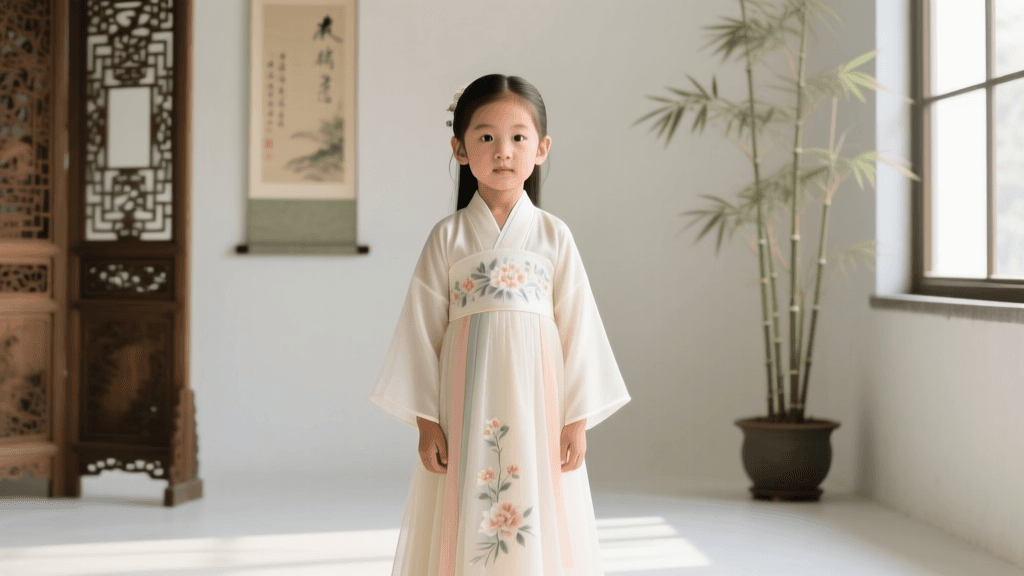
Dressing children in traditional attire—whether it is a flowing Ming Dynasty Aoqun, a practical Tang Dynasty Yuanlingpao, or a festive Tangzhuang (Tang suit)—requires a different approach than adult styling. Children require mobility, skin-friendly fabrics, and simplified fastening systems. This comprehensive guide will walk you through the nuances of buying, sizing, styling, and caring for children's traditional Chinese garments.
Choosing the Right Garment: Hanfu vs. Tang Suit vs. Qipao
When shopping for children's traditional wear, it is essential to understand the distinctions between the primary garment categories. Each serves different occasions, climates, and age groups. Below is a comparison chart to help parents make informed purchasing decisions.
| Garment Type | Historical Era / Origin | Best Occasions | Comfort & Mobility | Avg. Cost (USD) |
|---|---|---|---|---|
| Ruqun / Aoqun (Hanfu) | Wei-Jin to Ming Dynasty | Cultural festivals, photo shoots, Hua Zhao Jie | High (if tailored correctly); skirts can trip toddlers | $35 - $90 |
| Yuanlingpao / Feiyufu | Tang / Ming Dynasty | Boys' daily wear, martial arts events, active play | Very High; allows running and climbing | $30 - $75 |
| Tangzhuang (Tang Suit) | Qing Dynasty / Modern | Lunar New Year, family dinners, winter holidays | Moderate; structured collars can irritate sensitive necks | $20 - $50 |
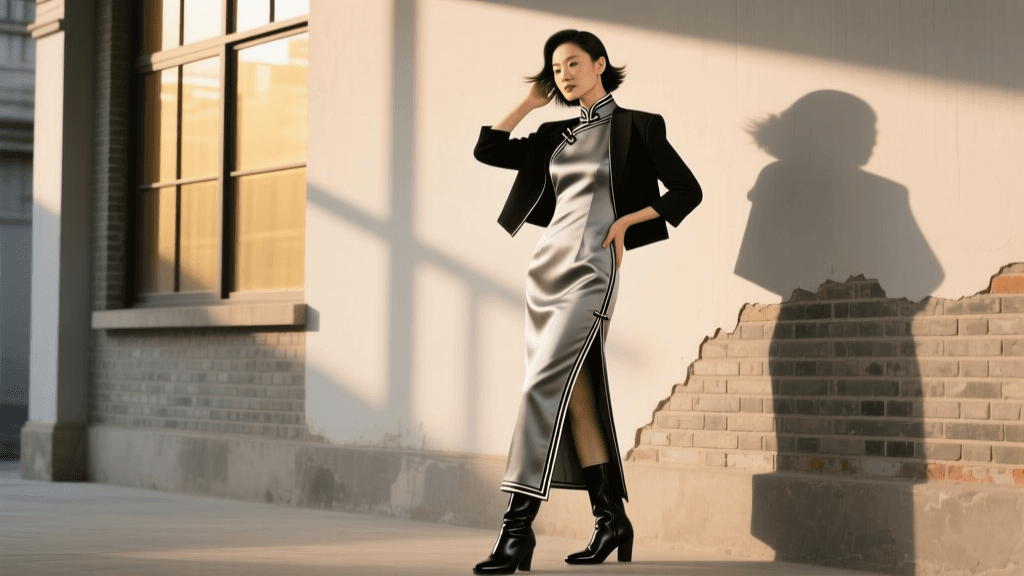
| Qipao / Cheongsam | 1920s Republic Era | Weddings, formal banquets, pageants | Low to Moderate; restrictive for active play | $25 - $80 |
| Xin Zhongshi (New Chinese) | Contemporary Fusion | Daily streetwear, school events, casual outings | Very High; uses modern zippers and elastic waists | $15 - $45 |
Demystifying Chinese Sizing for Children
One of the most common hurdles for international buyers or first-time purchasers is navigating the Chinese children's sizing system. Unlike Western sizing, which often uses age ranges (e.g., 2T, 3T, 4-5), traditional Chinese garment manufacturers primarily use height-based sizing in centimeters.
How to Measure Your Child
To ensure a proper fit, especially for structured garments like the Ming Dynasty Aoqun or a tailored Qipao, you will need three key measurements:
- Height (cm): Measure from the crown of the head to the heel. This determines the base size (e.g., Size 110).
- Chest/Bust (cm): Measure around the fullest part of the chest. Hanfu cross-collars (jiaoling) are forgiving, but Qipaos require exactness.
- Waist (cm): Measure at the natural waistline. For Ruqun (chest-high skirts), measure just under the armpits.
Standard Height-Based Size Chart
When browsing platforms like Taobao or specialized Hanfu boutiques, you will see sizes labeled as 80, 90, 100, 110, 120, 130, 140, and 150. A general rule of thumb is that the number represents the maximum height the garment is designed to fit.
- Size 80: Fits height 75-85 cm (Approx. 12-18 months)
- Size 100: Fits height 95-105 cm (Approx. 3-4 years)
- Size 120: Fits height 115-125 cm (Approx. 6-7 years)
- Size 140: Fits height 135-145 cm (Approx. 10-11 years)
Pro Tip: Traditional garments often feature generous cuts. If your child is between sizes, or if you are buying a winter Doufu (padded jacket) to wear over thick layers, always size up by one increment (e.g., buy Size 110 for a child who is 100cm tall).
Fabric Selection: Balancing Aesthetics and Toddler Chaos
While adult Hanfu enthusiasts often prioritize pure mulberry silk, brocade, and delicate chiffon, children's clothing demands a pragmatic approach. As noted in an analysis of the e-commerce boom by Sixth Tone, manufacturers have had to adapt traditional aesthetics to modern, washable textiles to meet the demands of young families.
Recommended Fabrics by Age Group
- Infants & Toddlers (Ages 0-3): Stick to 100% organic cotton, bamboo blends, and soft cotton-linen. Avoid metallic threads, stiff brocades, or heavy embroidery near the neckline, as these can cause contact dermatitis or scratching.
- Preschoolers (Ages 4-6): Cotton-polyester blends and Tencel are ideal. They offer the drape of traditional silk but are machine-washable and resistant to the inevitable juice stains and grass marks.
- School-Age (Ages 7+): You can introduce lighter chiffons, jacquard weaves, and faux-silk satins for special occasions like weddings or stage performances.
Safety Warning: Avoid garments with excessive beading, loose sequins, or long, detachable tassels for children under three due to choking hazards. Additionally, ensure that the traditional ties (xidai) are securely stitched and not long enough to pose a strangulation risk.
Styling and Budgeting for Key Occasions
Children's traditional clothing shines brightest during cultural holidays. Here is how to style and budget for the most significant events on the lunar calendar.
1. Lunar New Year (Spring Festival)
The most popular time for children's traditional wear. For toddlers, a red Tangzhuang with frog-button closures and a tiger-motif hat is a classic, adorable choice that usually costs between $20 and $40. For older girls, a Ming Dynasty red Pimao (cape) over an Aoqun provides warmth and historical elegance. Boys often wear the Feiyufu (Flying Fish garment), which looks incredibly striking and heroic, typically priced around $50 to $85.
2. Hua Zhao Jie (Flower Festival)
Celebrated in early spring, this festival is dedicated to the goddess of flowers. It is the perfect excuse for pastel, lightweight Song Dynasty Beizi (long open jackets) and pleated skirts. Floral embroidery and hairpins shaped like peach blossoms complete the look. Budget around $35 to $60 for a complete spring set.
3. Xin Zhongshi (New Chinese Style) for Daily Wear
For parents who want to incorporate heritage into everyday life without the hassle of complex wrapping, the Xin Zhongshi movement is the answer. As highlighted by CNN Style, modern fusion wear blends traditional elements like mandarin collars, Pankou (frog) buttons, and ink-wash prints with modern silhouettes like A-line dresses, bomber jackets, and denim. These pieces are highly practical, cost between $15 and $40, and can be worn to school or the playground.
Where to Buy: Trusted Brands and Marketplaces
Sourcing high-quality children's traditional clothing requires knowing where to look. While international retailers like Amazon carry basic Tang suits, the true variety lies in specialized Asian marketplaces.
Top Taobao / Tmall Brands for Kids
- Shisanyu (十三余): One of the most famous Hanfu brands, known for high-quality embroidery and official Disney collaborations. Their children's line is exquisite but sits at a premium price point ($60-$120).
- Zhongling (钟灵记): Offers excellent historical accuracy and beautiful color palettes. Great for older children and pre-teens.
- Ertong Hanfu Specialty Shops: When searching on Taobao, use the exact keywords: 儿童汉服 (Children's Hanfu), 女童汉服 (Girls' Hanfu), or 男童汉服 (Boys' Hanfu). Filter by sales volume and look for shops with the "Gold Crown" rating to ensure reliable shipping and accurate sizing charts.
International Buyers: If you do not use Taobao directly, platforms like AliExpress and specialized diaspora boutiques (such as Hanfu E-Commerce or Newhanfu) offer curated selections with international shipping, though the variety will be more limited and shipping times longer.
Accessories and Footwear: Completing the Look
A traditional outfit is incomplete without the proper accessories. However, safety and comfort must dictate your choices for children.
- Footwear: Traditional cloth shoes (Buxie) with embroidered cloud motifs are beautiful and soft-soled, perfect for toddlers learning to walk. For older kids running on pavement, look for modern sneakers designed with traditional brocade uppers or simply pair the Hanfu with clean, neutral-colored modern shoes (white or black canvas sneakers are widely accepted in the modern Hanfu community).
- Hair Accessories: Avoid heavy metal hairpins (Zan) for young children. Opt for lightweight silk scrunchies, velvet ribbons, or clip-on faux flowers. For boys, traditional soft cloth headbands are comfortable and keep hair out of the eyes.
- Props: A paper fan, a small traditional lantern, or a sugar-coated hawthorn stick (Tanghulu) make excellent, culturally relevant props for photography.
Garment Care: Preserving Delicate Textiles
Children are notoriously hard on clothes. To extend the lifespan of your investment in traditional garments, follow these care guidelines:
- Pre-Wash Treatment: Many budget-friendly Hanfu brands use heavy dyes that can bleed. Always soak new garments in cold water with a splash of white vinegar for 15 minutes before the first wash to set the colors.
- Washing: Hand-wash in cold water using a pH-neutral baby detergent. If you must use a machine, place the garment in a fine mesh laundry bag and use the "Delicate" cycle. Never wash heavily embroidered or wired-collar garments in a machine, as the agitation will warp the structure.
- Drying: Never wring out traditional fabrics. Press the water out gently between two clean towels. Air dry in the shade; direct sunlight will fade vibrant reds and golds rapidly.
- Ironing: Use a low-heat steam iron. For pleated Mamianqun (horse-face skirts), use clips to hold the pleats in place while steaming to maintain their sharp, accordion-like structure.
Conclusion
Introducing children to traditional Chinese clothing is a beautiful way to foster cultural pride and create lasting family memories. By prioritizing height-based sizing, selecting age-appropriate fabrics, and choosing the right garment for the occasion, parents can ensure their children look historically elegant while remaining comfortable enough to simply be kids. Whether it is a toddler's first Lunar New Year in a tiger hat or a pre-teen's elegant Song Dynasty festival outfit, the world of children's heritage fashion is as rich and diverse as the history it represents.