Modern Qipao Fusion: Styling the Contemporary Cheongsam
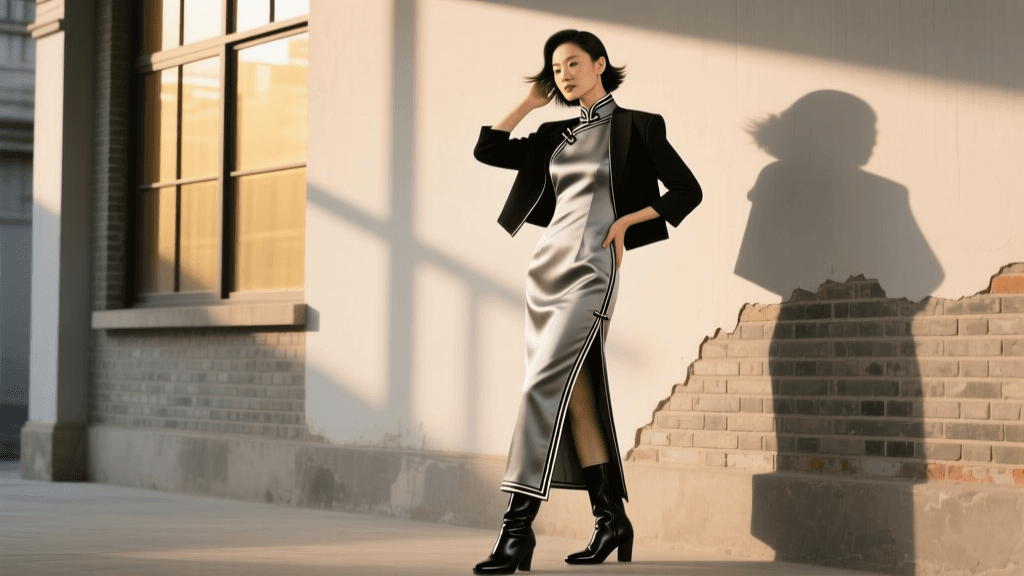
The Evolution of the Qipao: From 1920s Shanghai to Modern Streetwear
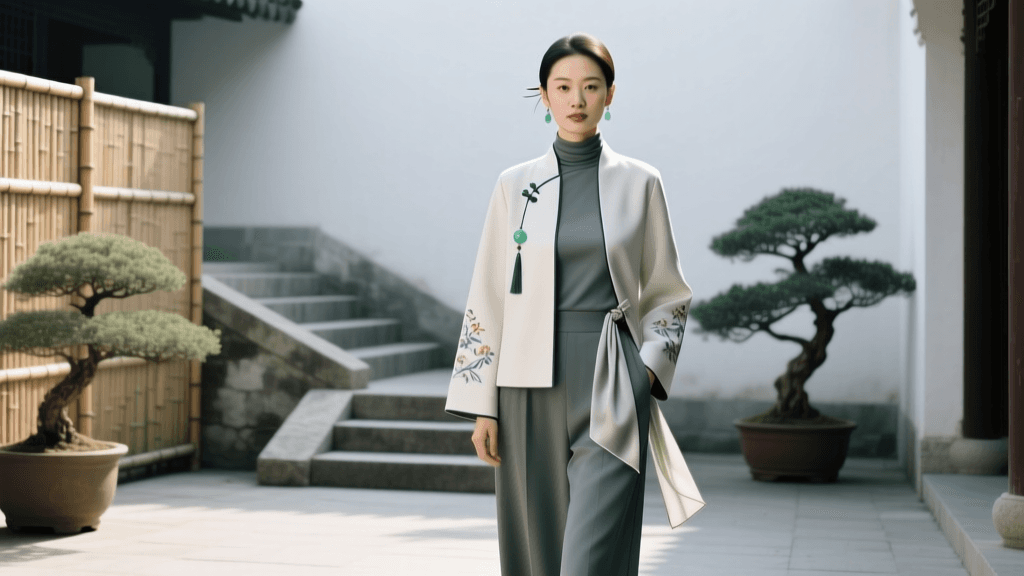
The qipao, also widely known as the cheongsam, is one of the most iconic garments in Chinese fashion history. Originally emerging in the 1920s in Shanghai as a symbol of modernity and female emancipation, the traditional qipao was characterized by its form-fitting silhouette, high Mandarin collar, and intricate silk brocade fabrics. However, as global fashion has evolved, so too has this historic garment. Today, the modern fusion qipao bridges the gap between heritage craftsmanship and contemporary streetwear, offering a versatile piece that transcends formal banquets and weddings.
According to the Victoria and Albert Museum, the cheongsam has always been a reflection of the cultural and social shifts of its time. In the 21st century, a new wave of Asian designers and global fashion enthusiasts are reimagining the qipao through the lens of fusion fashion. By altering traditional silhouettes, experimenting with unconventional textiles, and pairing the garment with modern accessories, the fusion qipao has become a staple in the wardrobes of those who appreciate cross-cultural sartorial expression.
Key Elements of the Modern Fusion Qipao
Silhouette and Cut
While the traditional qipao relies on a strict, body-conforming pencil skirt silhouette with high thigh slits, modern adaptations prioritize mobility and comfort. Contemporary cuts frequently feature A-line skirts, drop-waists, and high-low hemlines. The 'slip-dress' qipao, which removes the stiff inner lining and utilizes bias-cut techniques, allows the garment to drape fluidly over the body, making it suitable for layering over turtlenecks in the winter or wearing alone in the summer.
Collar and Fastening Innovations
The traditional Mandarin collar (standing at about 4 to 5 centimeters) can feel restrictive for daily wear. Fusion designs often lower the collar to a subtle 2-centimeter band or replace it entirely with a V-neck or sweetheart neckline that retains the diagonal 'pankou' (frog button) fastening across the chest. Furthermore, while traditional pankou are hand-knotted from silk, modern versions might utilize metallic hardware, leather toggles, or minimalist snap buttons to give the garment an industrial or avant-garde edge.
Fabric Innovations
Stepping away from delicate silks and heavy brocades, the modern fusion qipao embraces utilitarian and streetwear-friendly textiles. Designers are now utilizing materials like 12oz raw denim, 2mm scuba neoprene, corduroy, and even technical waterproof nylon. These fabrics not only make the qipao more durable and machine-washable but also completely change the garment's structural drape, giving it a sculptural, architectural quality that pairs beautifully with chunky footwear and oversized outerwear.
Actionable Tailoring Guide: Getting the Perfect Fit
Whether you are commissioning a bespoke piece or altering an off-the-rack fusion qipao, understanding ease allowances is critical. Traditional tailoring demands a skin-tight fit, but modern fusion styling requires 'ease'—extra fabric that allows for movement, layering, and a relaxed aesthetic. Below is a practical measurement guide for achieving the perfect contemporary fit.
| Measurement Zone | Traditional Ease Allowance | Modern Fusion Ease Allowance | Styling & Fit Notes |
|---|---|---|---|
| Bust | 2 - 4 cm | 6 - 10 cm | Allows for layering over thin turtlenecks or graphic tees without pulling the pankou buttons. |
| Waist | 1 - 3 cm | 4 - 8 cm | Creates a relaxed, shift-dress silhouette. Ideal for A-line cuts and streetwear styling. |
| Hips | 2 - 4 cm | 8 - 12 cm | Prevents the fabric from riding up when sitting. Essential for denim or heavy cotton blends. |
| Collar Height | 4 - 5 cm | 2 - 3 cm | A lower collar prevents neck chafing and allows for statement necklaces or scarf layering. |
| Slit Height | Mid-thigh | Knee or Calf | Lower slits provide modesty and warmth, making the qipao appropriate for office and daytime wear. |
Sourcing and Cost Breakdown
When investing in a fusion qipao, understanding the market tiers will help you budget effectively:
- Bespoke (Custom Tailored): $400 - $1,200+. Timeline: 4 to 8 weeks. Best for specialized fabrics like tech-wear nylon or custom-printed silk blends. Requires 3-4 in-person fittings.
- Made-to-Measure (MTM): $150 - $350. Timeline: 2 to 3 weeks. Based on existing brand patterns adjusted to your measurements. Excellent for standard fusion fabrics like denim or linen.
- Off-the-Rack (Ready-to-Wear): $50 - $150. Immediate purchase. Often requires minor alterations to the hem or waist darts (budget an extra $30-$50 for a local tailor).
Styling the Fusion Qipao: 3 Wearable Looks
Integrating a traditional garment into a modern wardrobe requires thoughtful styling. The goal of fusion fashion is not to wear a costume, but to create a cohesive, contemporary outfit. Here are three actionable styling formulas for the modern qipao.
Look 1: Streetwear Edge (Daytime / Casual)
For a casual, urban aesthetic, pair a short-sleeved, A-line denim or canvas qipao with chunky streetwear elements. The contrast between the structured, historic collar and relaxed, modern footwear creates a striking visual tension.
- Footwear: Chunky platform sneakers (e.g., Dr. Martens Jadon or New Balance 530) or combat boots.
- Outerwear: An oversized, cropped vintage leather bomber jacket or a boxy denim jacket worn unbuttoned.
- Accessories: A crossbody nylon bag, silver hardware jewelry, and a minimalist baseball cap.
- Layering Tip: In cooler months, wear a fitted, ribbed black turtleneck underneath the qipao. Ensure the qipao's bust ease is at least 8cm to accommodate the extra layer.
Look 2: Office Chic (Professional / Smart Casual)
The qipao can easily transition into professional environments when styled with structured Western tailoring. A midi-length fusion qipao in a muted, solid color (like charcoal, navy, or olive) acts as a sophisticated alternative to the standard sheath dress.
- Footwear: Pointed-toe loafers or low-block heel ankle boots.
- Outerwear: A tailored, oversized wool blazer draped over the shoulders or worn fully buttoned with the qipao's collar peeking out.
- Accessories: A structured leather tote bag and delicate gold hoop earrings.
- Styling Note: Opt for a qipao with a lower slit (below the knee) and a matte fabric like crepe or heavy cotton to maintain a professional, understated elegance.
Look 3: Evening Minimalist (Cocktail / Dinner)
For evening wear, the modern fusion qipao leans into sleek, minimalist silhouettes. A sleeveless, bias-cut slip qipao in a rich jewel tone or metallic thread-blend fabric offers a contemporary take on the glamorous 1930s Shanghai era.
- Footwear: Strappy minimalist heels or sleek, pointed-toe mules.
- Outerwear: A floor-length, lightweight wool duster coat or a faux-fur cropped shrug.
- Accessories: A sculptural metallic cuff bracelet and a hard-shell acrylic clutch.
- Hair & Makeup: A sleek, low chignon or a sharp, modern bob. Keep makeup focused on a bold lip or a graphic eyeliner wing to complement the sharp lines of the Mandarin collar.
Caring for Modern Fusion Textiles
One of the primary advantages of the fusion qipao is its ease of maintenance compared to traditional silk brocades. However, proper care ensures the longevity of the garment's structure and hardware.
- Denim and Canvas: Wash inside out in cold water on a gentle cycle. Hang dry to prevent shrinkage. Avoid tumble drying, as high heat can warp the stiff interfacing used in the collar and button plackets.
- Neoprene and Tech Blends: Wipe clean with a damp cloth for minor stains. If machine washing is necessary, use a mesh laundry bag and a mild detergent. Never iron neoprene directly; use a steamer on a low setting to remove creases.
- Hardware Care: The metallic pankou buttons and zippers on fusion qipaos can tarnish or catch on fabrics. Always fasten all buttons and close zippers before washing. Polish metallic toggles occasionally with a soft jewelry cloth to maintain their shine.
The Future of the Qipao in Global Fashion
The modern adaptation of the qipao is more than just a passing trend; it is a vital part of the ongoing dialogue between Eastern heritage and Western contemporary fashion. As noted by the South China Morning Post, the cheongsam is experiencing a massive revival among younger generations who view it not as a rigid historical artifact, but as a canvas for personal expression.
By understanding the nuances of modern tailoring, selecting innovative fabrics, and mastering the art of fusion styling, you can seamlessly integrate the qipao into your everyday wardrobe. Whether you are navigating the streets of Tokyo, attending a gallery opening in New York, or simply enjoying a weekend coffee run, the modern fusion qipao offers a powerful, elegant, and deeply personal sartorial statement.