Haori Streetwear: Styling the Traditional Japanese Jacket
The Evolution of the Haori: Battlefield to Boulevard
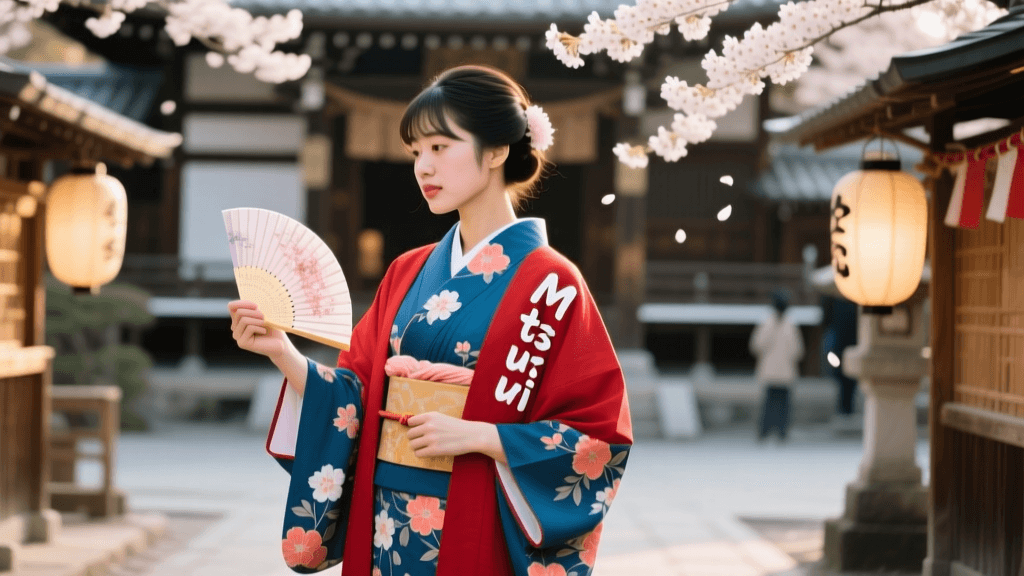
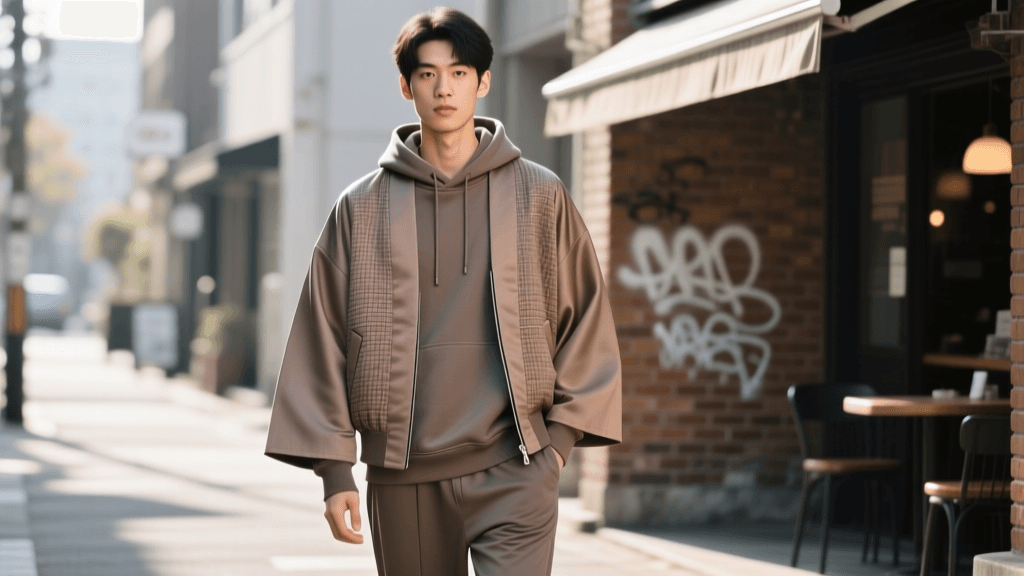
The intersection of traditional Japanese garments and contemporary street fashion has birthed some of the most compelling silhouettes in modern menswear and womenswear. At the forefront of this sartorial revolution is the haori, a traditional Japanese jacket that has seamlessly transitioned from historical battlefields to the neon-lit streets of Harajuku and the global runways of high fashion. Unlike the highly structured and restrictive kimono, the haori offers a relaxed, open-front silhouette that naturally lends itself to the oversized, layered aesthetics of modern streetwear.
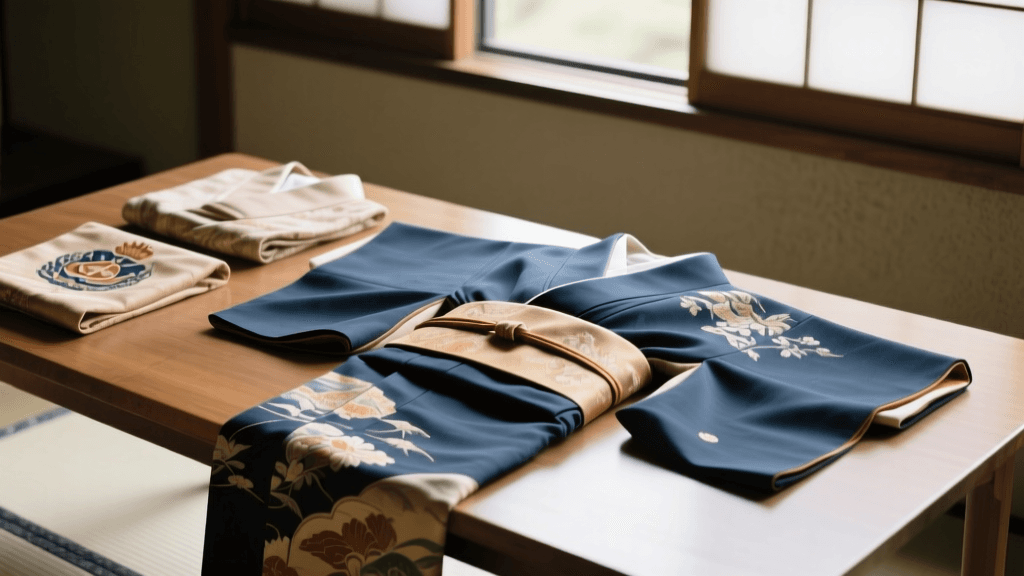
Historically, the haori traces its lineage back to the Muromachi period (1336–1573), where it was initially worn by samurai as a jinbaori—a sleeveless or short-sleeved surcoat worn over armor to protect against the elements and display clan crests. By the Edo period, the haori had been adopted by the merchant classes and geisha, evolving into a canvas for intricate dyeing techniques like yuzen and shibori. Today, as highlighted by the Victoria and Albert Museum's comprehensive exhibition on Japanese dress, the kimono and its associated garments have profoundly influenced global fashion, with the haori serving as a primary bridge between Eastern heritage and Western streetwear sensibilities.
Brands like Visvim, Kapital, and Yohji Yamamoto have deconstructed and reimagined the haori, utilizing modern technical fabrics, distressed denim, and sashiko stitching to appeal to a new generation of fashion enthusiasts. This modern revival is not merely about costume; it is about integrating the philosophical concept of ma (negative space) into everyday urban layering.
Anatomy of a Modern Streetwear Haori
When integrating the haori into a modern wardrobe, understanding its unique anatomy is crucial for achieving the right streetwear silhouette. Unlike Western jackets, the haori lacks a folded collar lapel, buttons, or a zipper. It is designed to hang open, secured optionally by a braided cord known as a haori himo. This open structure makes it the ultimate layering piece for bulky hoodies, technical vests, and oversized knitwear.
For streetwear styling, the fit is paramount. Traditional haori were tailored to fit relatively close to the body with precise sleeve lengths. However, modern streetwear demands a "drop-shoulder" effect and elongated sleeves that pool slightly at the wrist. According to the Metropolitan Museum of Art's Heilbrunn Timeline of Art History, the T-shaped construction of Japanese garments allows for a universality of fit that modern designers exploit to create gender-neutral, fluid silhouettes.
Essential Measurements for the Streetwear Fit
- Yuki (Center Back to Wrist): For an oversized streetwear look, look for a yuki measurement that extends 2 to 4 inches past your natural wrist bone.
- Katahaba (Shoulder Width): Traditional haori have a straight shoulder seam. To achieve a drop-shoulder effect, select a katahaba that is at least 3 inches wider than your actual shoulder measurement.
- Sode (Sleeve Depth): Streetwear haori often feature deeper sleeves to accommodate thick hoodies underneath. A sode depth of 16 to 20 inches is ideal for winter layering.
- Miyatsukuchi (Side Slits): These vertical openings under the arms are crucial. They provide ventilation and allow the jacket to drape naturally over wide-leg pants or cargo trousers without bunching at the hips.
Haori Sizing & Fit Guide for Streetwear
Because traditional Japanese garments are not sized by standard Western metrics (S, M, L), buyers must rely on flat-lay measurements. The table below maps traditional measurements to modern streetwear styling goals.
| Streetwear Fit Goal | Yuki (Sleeve Length) | Katahaba (Shoulder) | Best Base Layer | Ideal Fabric Weight |
|---|---|---|---|---|
| Subtle / Tailored | 30 - 32 inches | 22 - 24 inches | Lightweight T-shirt, Turtleneck | Silk, Lightweight Wool |
| Standard Oversized | 33 - 35 inches | 25 - 27 inches | Hoodie, Flannel Shirt | Cotton, Sashiko, Denim |
| Avant-Garde / Drape | 36+ inches | 28+ inches | Bulky Knitwear, Tech Vest | Heavy Canvas, Nylon |
Actionable Layering: 3 Streetwear Haori Outfit Formulas
Styling a haori requires balancing its voluminous top half with the rest of your silhouette. Here are three actionable, highly specific outfit formulas tailored for contemporary street fashion.
Formula 1: The Techwear Ronin
This look merges traditional silhouettes with modern, weather-resistant technical fabrics. It is ideal for urban commuting and transitional fall weather.
- The Haori: A modern, nylon-blend haori in stark black or olive green (Look for brands like Ninja Tune or modern iterations by White Mountaineering). Cost: $200 - $400.
- The Base: A fitted, moisture-wicking turtleneck or a mid-weight technical fleece zip-up.
- The Trousers: Tapered cargo pants with articulated knees and waterproof zippers. The taper at the ankle contrasts the wide drape of the haori.
- Footwear: Chunky, aggressive trail sneakers (e.g., Salomon XT-6 or Hoka One One) to ground the outfit with a rugged, utilitarian aesthetic.
Formula 2: The Heritage Workwear Blend
This formula leans into the Americana-meets-Japanese-heritage trend, heavily popularized by brands like Kapital and Visvim. It focuses on texture, indigo dyes, and visible mending.
- The Haori: A vintage or reproduction cotton haori featuring sashiko (running stitch) embroidery or boro (patchwork) detailing. Cost: $150 - $800 depending on vintage authenticity.
- The Base: A heavyweight, loopwheeled cotton hoodie in heather grey or faded mustard.
- The Trousers: Wide-leg, raw selvedge denim (14oz to 18oz weight), cuffed once to showcase the selvedge line.
- Footwear: Goodyear-welted engineer boots or distressed leather derbies that complement the rugged, lived-in nature of the boro textiles.
Formula 3: High-Fashion Minimalist
For those who prefer the avant-garde, monochromatic aesthetics of designers like Yohji Yamamoto or Julius, the haori serves as a dramatic, flowing outer layer.
- The Haori: A solid black, matte silk or heavy wool-blend haori with subtle, tone-on-tone jacquard patterns visible only in direct light. Cost: $300 - $1,500.
- The Base: An asymmetrical, draped button-down shirt or a longline tunic that extends past the hips.
- The Trousers: Extremely wide-leg, pleated trousers in a fluid fabric like rayon or lightweight wool that move with the wind.
- Footwear: Minimalist leather sneakers or split-toe tabi boots to maintain the avant-garde lineage.
Sourcing Your Haori: Costs, Materials, and Timing
Acquiring the right haori for streetwear depends heavily on your budget and whether you prefer authentic vintage pieces or modern streetwear adaptations. The Japan National Tourism Organization notes that traditional garments remain a vital part of the cultural economy, with thriving second-hand markets catering to both locals and international collectors.
Where to Buy and What to Expect
- Vintage Silk Haori (Thrifting): For authentic, mid-century silk haori with incredible interior linings (often featuring hidden, hand-painted art), visit the vintage districts of Koenji and Shimokitazawa in Tokyo, or browse Etsy and specialized Instagram vintage sellers. Cost: $30 to $90. Timing: Shop during the spring (March-April) and autumn (October-November) transitions when Japanese thrift stores rotate their seasonal stock.
- Modern Cotton/Sashiko Haori: For durable, everyday streetwear pieces that can withstand machine washing and heavy layering, look to modern heritage brands. Cost: $150 to $350. These are widely available year-round through online streetwear boutiques and direct-from-Japan proxy services like Buyee.
- Designer / Avant-Garde Haori: Pieces from Visvim, Kapital, or Needles command a premium due to their complex construction, natural dyeing processes, and brand cachet. Cost: $800 to $2,500+. Timing: Best purchased during end-of-season sales (July and January) on platforms like Grailed or SSENSE.
Care and Maintenance for Urban Environments
While modern cotton and nylon haori are relatively low-maintenance, vintage silk pieces require careful handling to survive the rigors of streetwear styling. Never machine wash a silk haori; instead, spot clean with a damp cloth and rely on professional dry cleaning specializing in delicate textiles. For cotton and sashiko pieces, wash them inside out in cold water on a gentle cycle to preserve the integrity of the stitching and prevent indigo bleed. Always air dry to maintain the structural drape of the machi (side slits).
Conclusion
The haori is far more than a historical artifact; it is a dynamic, living garment that continues to shape the vocabulary of global streetwear. By understanding its unique measurements, respecting its cultural origins, and applying intentional layering formulas, you can elevate your street style from standard urban wear to a sophisticated dialogue between ancient Japanese craftsmanship and modern fashion sensibilities. Whether you are draping a vintage silk piece over a minimalist turtleneck or rocking a heavy sashiko cotton jacket with raw denim, the haori offers an unmatched versatility that defies seasonal trends.