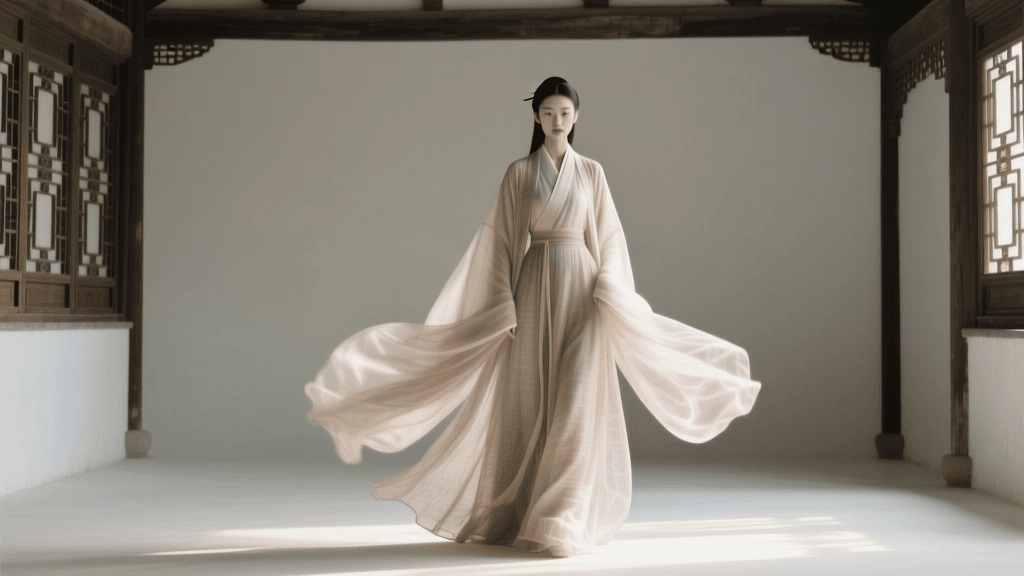
Styling Traditional Haori and Hakama in 2026 Urban Wardrobes
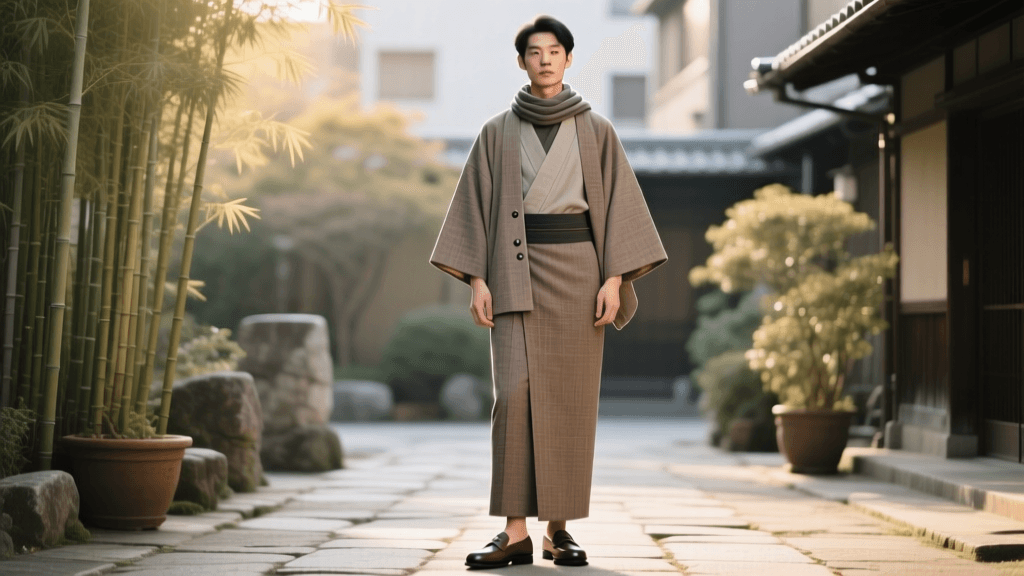
The Renaissance of Wafuku in 2026 Urban Fashion
As global fashion pivots toward mindful consumption, gender-neutral silhouettes, and heritage-driven aesthetics in 2026, traditional Japanese garments—collectively known as wafuku—have transcended their ceremonial boundaries. No longer confined to weddings, tea ceremonies, or coming-of-age festivals, pieces like the haori (a kimono-style jacket) and hakama (pleated, wide-leg trousers) are now anchoring modern urban wardrobes. The contemporary styling of these garments represents a profound dialogue between centuries-old textile preservation and the cutting-edge streetwear of 2026. This comprehensive guide explores how to integrate these iconic pieces into your daily rotation, ensuring cultural respect while embracing modern sartorial innovation.
The Anatomy and Evolution of the Haori
Historically worn by samurai and later adopted by the merchant class during the Edo period, the haori was designed as a protective outer layer. In 2026, the haori has evolved into a versatile, unisex outerwear staple that rivals the Western blazer or the trench coat. Modern interpretations often feature dropped shoulders and fluid draping, making them ideal for layering over everything from heavyweight cotton turtlenecks to minimalist graphic tees.
While vintage silk haori with intricate yuzen dyeing remain highly sought after by collectors, the 2026 market has seen a massive surge in everyday fabrics. Artisans in regions like Kurume and Tokushima are producing haori using breathable, machine-washable Kasuri (ikat) cottons and innovative Tencel-blend textiles. These materials offer the structural elegance of traditional weaving but cater to the fast-paced, climate-variable realities of modern city living. When shopping for a contemporary haori, look for unlined versions (hitoe) for spring and summer, and quilted or wool-blend options for autumn and winter.
The Hakama: From Martial Arts to Avant-Garde Streetwear
The hakama is perhaps the most dramatic silhouette in the Japanese traditional wardrobe. Originally designed to protect a horseback rider's legs, its deep, structured pleats create a striking, architectural volume when walking. In the 2026 fashion landscape, the hakama has been fully embraced by avant-garde streetwear enthusiasts and high-fashion houses alike.
Modern styling dictates a departure from the strict, floor-grazing lengths of the past. Today's urban hakama often features an ankle-grazing hem, allowing the wearer to showcase statement footwear without tripping over excess fabric. The rigid, heavy silks of ceremonial hakama have been replaced by soft-drape linens, matte-finish recycled polyesters, and heavy-weight indigo-dyed denims. This shift not only reduces the garment's maintenance requirements but also aligns with the genderless fashion movement, as the hakama's adjustable waist ties (himo) offer a universally flattering, customizable fit.
The 2026 Sizing and Fit Matrix
Unlike Western clothing, which relies on standardized S/M/L metrics based on chest and waist measurements, traditional Japanese garments are sized based on vertical proportions and arm span. Understanding these metrics is crucial for achieving the intentional, oversized look popular in 2026 without looking like you are wearing an ill-fitting costume.
| Measurement Term | Definition | 2026 Urban Adaptation | Styling Tip |
|---|---|---|---|
| Yuki (Sleeve/Shoulder) | Measured from the center back of the neck, over the shoulder, to the wrist. | Modern urban haori often feature extended yuki (75cm - 85cm) for a draped, cocoon-like silhouette. | Allow the sleeves to fall past the wrists; push them up to the forearms for a relaxed, effortless vibe. |
| Mitake (Back Length) | The length from the base of the neck to the bottom hem. | Cropped haori (60cm) are trending for high-waisted trousers; mid-thigh (85cm) remains the classic standard. | Pair mid-thigh lengths with slim-fitting denim or tailored hakama to balance the volume. |
| Him (Hakama Ties) | The length and width of the front and back waist ties. | Wider, softer ties are replacing stiff traditional cords for all-day urban comfort. | Tie the front himo in a simple, flat knot at the side or back rather than the complex ceremonial bows. |
Textile Techniques Defining the 2026 Market
The soul of any traditional Japanese garment lies in its textile. In 2026, consumers are highly educated on provenance, seeking out specific regional techniques that support artisan preservation. According to the Association for the Promotion of Traditional Craft Industries, there has been a 40% increase in global demand for certified traditional craft textiles over the last three years, driven by a desire for sustainable, slow-fashion alternatives.
- Sashiko and Boro: Once the mending techniques of rural farmers, sashiko (decorative reinforcement stitching) and boro (patchwork) are now hallmarks of luxury upcycling. A vintage boro haori can command upwards of $1,500 in 2026 vintage markets, prized for its unique, unrepeatable patina.
- Kurume Kasuri: This intricate cotton ikat weaving technique from Fukuoka yields fabrics that are incredibly soft, breathable, and durable. Modern designers are using Kasuri to create lightweight summer hakama that mimic the drape of linen but offer superior longevity.
- Aizome (Indigo Dyeing): Natural indigo, fermented using the traditional sukumo method in Tokushima, remains the gold standard. The antibacterial and odor-resistant properties of natural indigo make it highly practical for urban commuters.
Footwear Pairings: Bridging Heritage and Hype
Styling a hakama or haori in a modern context requires careful consideration of footwear. The traditional pairing of tabi (split-toe socks) and zori (woven sandals) or geta (wooden clogs) is still respected in formal settings, but the 2026 urban landscape demands hybrid solutions.
The split-toe silhouette, popularized globally by Maison Margiela, has become a staple in streetwear. In 2026, pairing a flowing, ankle-length indigo hakama with modern split-toe sneakers or technical trail shoes creates a striking juxtaposition of Edo-era volume and futuristic utility. For a more refined, smart-casual approach, traditional setta (leather-soled sandals) are being worn over thick, ribbed wool socks, bridging the gap between heritage craftsmanship and contemporary comfort. As noted in the Victoria and Albert Museum's comprehensive guide to Japanese dress, the adaptation of footwear has historically been the primary catalyst for the modernization of the kimono silhouette, a trend that continues to accelerate today.
Sustainable Sourcing and Artisan Support
As the appreciation for wafuku grows, so does the responsibility to source ethically. The 2026 market is saturated with fast-fashion knockoffs that appropriate traditional patterns without supporting the communities that created them. To build an authentic and sustainable wardrobe, buyers are encouraged to source directly from certified artisans or reputable vintage curators.
Platforms connected to the Japan National Tourism Organization's traditional crafts directory offer direct-to-consumer access to regional weaving cooperatives. Purchasing a newly woven Kasuri haori directly from a Fukuoka atelier not only guarantees authenticity but also injects vital capital into rural economies facing aging artisan populations. When buying vintage, look for sellers who provide detailed provenance, including the era of the garment, the specific dyeing technique used, and any restoration work performed.
Seasonal Layering Strategies for the Modern Wardrobe
The true versatility of the haori and hakama is unlocked through masterful layering. Japanese fashion has long embraced the concept of kasane (the art of layering colors and textures). Here is how to adapt this concept for the four seasons in 2026:
- Spring: Layer a lightweight, unlined silk-blend haori over a crisp, oversized white poplin shirt and wide-leg cotton hakama. The contrast between the structured cotton and the fluid silk creates dynamic movement.
- Summer: Opt for a sheer ro (leno weave) or sha (gauze) haori worn open over a simple tank top and breathable linen hakama. The sheer fabric provides UV protection while allowing maximum airflow.
- Autumn: This is the season for heavy textiles. Pair a wool-blend, geometric-patterned haori with a fine-gauge merino turtleneck and dark indigo denim hakama. Add a thick, textured scarf loosely draped around the neck.
- Winter: Embrace the hanten (a short, padded winter coat) layered beneath a heavy, oversized haori. Combine with fleece-lined hakama and chunky, weather-resistant boots for a look that is as resilient as it is stylish.
Conclusion: Honoring the Past, Designing the Future
Integrating traditional Japanese garments into a 2026 urban wardrobe is not about playing dress-up; it is about recognizing the timeless functionality and profound beauty of these designs. The haori and hakama offer a masterclass in volume, drape, and textile artistry. By understanding the nuances of sizing, respecting the heritage of regional weaving techniques, and embracing modern styling conventions, you can cultivate a wardrobe that is deeply personal, culturally resonant, and undeniably forward-thinking. As the boundaries between global streetwear and heritage craftsmanship continue to dissolve, the language of wafuku remains one of the most poetic and powerful dialects in the world of fashion.