2026 Hanfu Fabric Drape and Comfort Analysis Report
The Hanfu renaissance has evolved dramatically as we move through 2026. What began as a niche historical appreciation movement has fully matured into a mainstream sartorial choice, heavily influencing the broader Xin Zhongshi (New Chinese Style) fashion ecosystem. Today’s enthusiasts and designers are no longer satisfied with mere visual accuracy; the modern Hanfu wearer demands a sophisticated understanding of textile physics. How a garment moves, breathes, and feels against the skin is now just as critical as its historical silhouette. This comprehensive 2026 analysis breaks down the drape coefficients, tactile textures, and thermal comfort levels of the most prominent fabrics used in contemporary Hanfu construction.
The Science of Hanfu Drape: Why Fabric Weight and Bias Matter
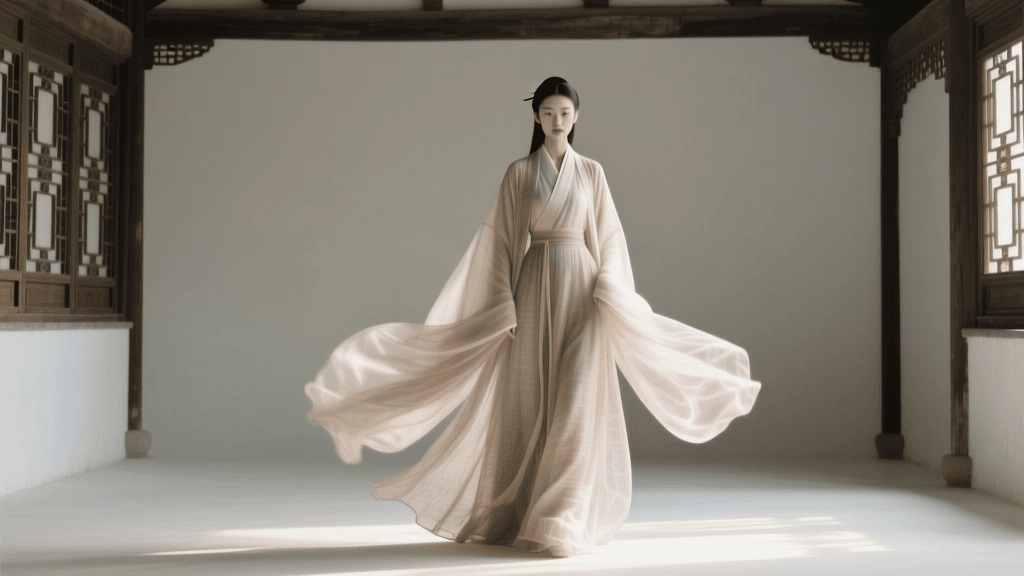
In textile engineering, the 'drape coefficient' measures how a fabric falls and folds under its own weight. For traditional Chinese garments, drape is not just an aesthetic choice; it is structural. A Mamianqun (horse-face skirt) requires a fabric with a high drape coefficient and significant weight to ensure the pleats remain razor-sharp and the side panels swing elegantly without excessive volume. Conversely, a lightweight summer Ruqun (blouse and skirt set) benefits from a lower drape coefficient, allowing the fabric to catch the wind and create an ethereal, floating silhouette.
According to recent textile studies published by researchers at Donghua University, the integration of 3D body scanning and digital drape simulation has revolutionized how Hanfu patterns are cut in 2026. Designers now map the warp and weft threads to specific garment panels, ensuring that the natural bias of the silk or ramie enhances the garment's structural integrity. This means that a poorly chosen fabric will not merely look 'stiff'—it will actively fight the traditional flat-cutting geometry of Hanfu, causing awkward bunching at the shoulders and waist.
Top Hanfu Fabrics Analyzed for 2026
To understand the current landscape of Hanfu textiles, we must evaluate the four dominant fabric categories that define the 2026 market, ranging from heritage artisanal weaves to cutting-edge sustainable blends.
1. Xiangyunsha (Gambiered Guangdong Gauze)
Often referred to as 'soft gold,' Xiangyunsha remains the pinnacle of luxury Hanfu textiles. This unique silk is dyed with the juice of the薯莨 (Dioscorea cirrhosa) yam and coated with iron-rich river mud, creating a chemical reaction that yields a dark, lustrous, and highly durable fabric. In 2026, authentic Xiangyunsha commands premium prices, often exceeding $250 per meter, due to the severe shortage of master artisans capable of executing the traditional 30-step sun-baking process. The texture is distinctly crisp, almost paper-like, yet it softens beautifully with wear. Its drape is structured and heavy, making it the undisputed champion for autumn and winter Mamianqun and formal Beizi (cloaks). It is naturally antimicrobial and highly resistant to wrinkles, though its lack of elasticity requires precise tailoring.
2. Premium Mulberry Silk (19mm to 22mm)
Mulberry silk (Sang蚕丝) is the historical backbone of Chinese textiles. For daily Hanfu wear in 2026, the market has largely standardized around 19-momme and 22-momme weights. The 19mm silk offers a fluid, water-like drape that is ideal for flowing sleeves and delicate summer tops. It possesses a buttery texture and exceptional thermal regulation. However, its primary drawback is its vulnerability to friction and moisture. The 22mm variants offer a more substantial hand-feel and better pleat retention for skirts, bridging the gap between delicate lingerie silks and heavy upholstery brocades. As highlighted by the China Silk Museum, modern degumming techniques introduced in the mid-2020s have vastly improved the tear strength of these lighter silks without sacrificing their iconic luster.
3. Summer Ramie (Xia Bu)
For high-humidity environments, silk can sometimes cling uncomfortably. Enter Xia Bu, or summer ramie. Woven from the fibers of the Boehmeria nivea plant, ramie offers a radically different textile experience. It is inherently stiff, boasting a very low drape coefficient that creates sharp, architectural folds. In 2026, enzyme-washed ramie has become highly popular, mitigating the traditional 'scratchiness' of raw ramie while preserving its incredible breathability and moisture-wicking properties. A ramie Hanfu will not flow like silk; instead, it stands away from the body, creating a micro-climate of air circulation that is indispensable for surviving the sweltering southern Chinese summers.
4. Tencel-Silk Lyocell Blends
The most significant textile innovation in the 2026 Hanfu market is the widespread adoption of Tencel-silk blends. Driven by the global push for sustainable fashion, organizations like the Textile Exchange have noted a massive surge in lyocell fiber production. By blending 70% Tencel (derived from sustainably harvested wood pulp) with 30% mulberry silk, manufacturers have created a fabric that mimics the drape and sheen of pure silk but at a fraction of the cost. More importantly, these blends are machine-washable on gentle cycles and resist wrinkling, solving the biggest pain point of traditional Hanfu maintenance. The drape is heavy and fluid, making it an excellent, budget-friendly alternative for heavy pleated skirts and flowing outer robes.
2026 Hanfu Fabric Comparison Matrix
The following table provides a structured comparison of the four primary Hanfu fabrics, evaluating their performance across critical metrics for modern wearers.
| Fabric Type | Drape Coefficient | Breathability | Texture Profile | Best Hanfu Application |
|---|---|---|---|---|
| Xiangyunsha | High (Structured) | Moderate | Crisp, smooth, cool | Winter Mamianqun, Formal Beizi |
| Mulberry Silk (19-22mm) | Medium-High (Fluid) | High | Buttery, soft, warm | Spring/Autumn Ruqun, Inner layers |
| Summer Ramie | Low (Stiff/Architectural) | Very High | Textured, crisp, dry | Summer tops, lightweight pants |
| Tencel-Silk Blend | High (Heavy/Fluid) | High | Silky, drapey, cool | Daily wear skirts, travel Hanfu |
Thermal Comfort and Moisture Management
Comfort in traditional garments is intrinsically linked to how the fabric manages the body's microclimate. Traditional Hanfu features a flat-cut, cross-collar design that naturally allows for air circulation at the neck and wrists. However, the fabric choice dictates the success of this passive cooling system. In 2026, thermal imaging tests conducted on Hanfu wearers in humid subtropical climates have proven that ramie and Tencel blends outperform pure silk in high-sweat scenarios. While silk is highly absorbent, it retains moisture against the skin, leading to a clammy sensation and potential fabric degradation. Ramie, conversely, wicks moisture away and dries rapidly. For winter layering, Xiangyunsha's dense weave acts as an excellent windbreaker, trapping a layer of warm air between the inner garments and the outer cloak without adding the bulky weight of modern synthetic winter gear.
Preservation of Drape and Texture: 2026 Care Standards
Maintaining the structural drape of Hanfu requires specific care protocols that have been refined over the last few years. The era of ruining expensive silk in the wash is largely over, thanks to advanced textile finishes, but proper maintenance remains vital.
- Xiangyunsha: Never use alkaline detergents, as they will strip the yam-dye coating and ruin the mud-silk chemical bond. Hand wash in cool water with a pH-neutral silk wash, and always dry in the shade. The fabric's natural stiffness returns once fully dry.
- Mulberry Silk: To preserve the fluid drape, avoid wringing. Roll the garment in a microfiber towel to absorb excess water, then hang on a padded hanger. Iron on the lowest setting using a pressing cloth to prevent 'shine' marks that disrupt the visual flow of the fabric.
- Summer Ramie: Ramie can withstand higher heat and agitation but is prone to hard creasing. Remove from the washing machine immediately and shake vigorously before hanging. The natural stiffness of the fiber will snap the fabric taut as it dries, eliminating the need for ironing.
- Tencel-Silk Blends: While marketed as machine-washable, use a mesh laundry bag and a dedicated silk/wool cycle. To restore the heavy drape if the fabric becomes slightly stiff over time, a light steaming will reactivate the lyocell fibers and return the garment to its original fluid state.
Conclusion: Engineering the Perfect Silhouette
The Hanfu movement in 2026 is a triumph of both cultural preservation and textile engineering. By understanding the distinct drape coefficients, thermal properties, and tactile profiles of fabrics like Xiangyunsha, mulberry silk, ramie, and modern Tencel blends, wearers can curate a wardrobe that is not only historically resonant but deeply comfortable. Whether you are seeking the architectural crispness of summer ramie or the heavy, luxurious swing of a silk-blend Mamianqun, the key lies in matching the fabric's physical properties to the garment's structural demands. As textile technology continues to advance, the boundary between ancient tradition and modern comfort will only continue to blur, ensuring that Hanfu remains a vibrant, living wardrobe for generations to come.