Vintage Kimono Auctions 2026: Appraisal & Value Guide
The 2026 Secondhand Kimono Landscape
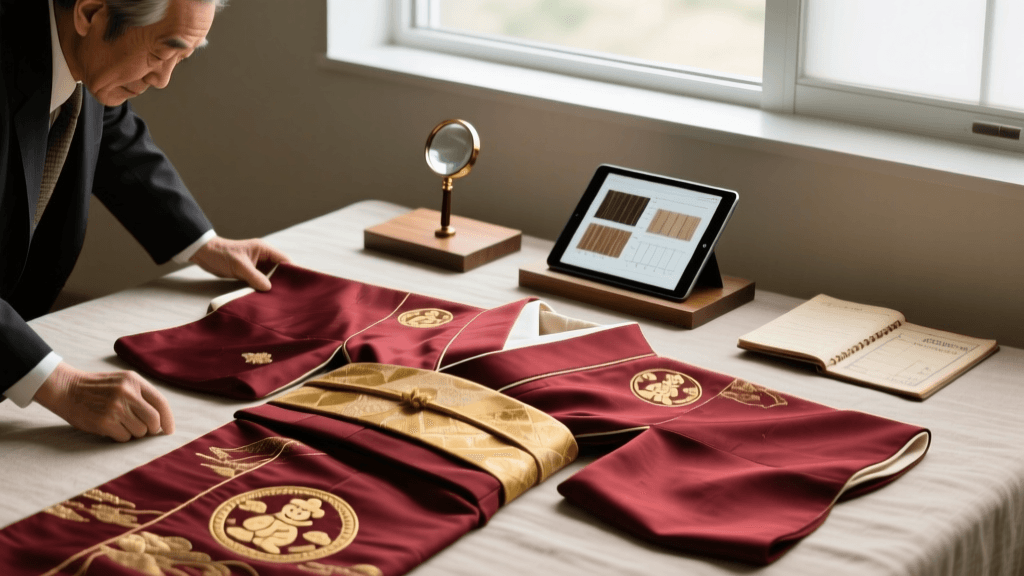
The secondary market for traditional Japanese garments has experienced a massive renaissance. In 2026, collectors, fashion archivists, and sustainable style enthusiasts are driving unprecedented demand for vintage kimono. As global interest in slow fashion and textile preservation peaks, online auction houses and specialized proxy bidding services have streamlined international access to Japan's domestic markets. However, this surge in popularity means that navigating auctions requires a sharp eye, a deep understanding of textile history, and a firm grasp of current market valuations. Whether you are bidding on Yahoo! Auctions Japan via a proxy service or attending a specialized physical auction in Kyoto, understanding how to accurately appraise a kimono is essential to avoid overpaying for damaged goods or missing out on hidden masterpieces.
The Core Appraisal Metrics
Appraising a vintage kimono is vastly different from evaluating modern Western clothing. The value is not determined by a contemporary brand label, but rather by a complex matrix of material, era, condition, formality, and artisan lineage. Below are the five critical metrics that professional appraisers and seasoned collectors use in 2026 to determine a garment's true market value.
1. Material and Weaving Technique
The foundation of any kimono appraisal is the fabric. Pure silk remains the gold standard, but the specific weaving and dyeing techniques drastically alter the price. The Japanese government's Ministry of Economy, Trade and Industry (METI) designates specific regional textiles as Traditional Craft Products, which carry a premium in the secondhand market. Highly prized weaves include Tsumugi (slubbed silk pongee, famous in regions like Yuki and Oshima), Rinzu (silk satin damask), and Shibori (intricate tie-dyeing). Conversely, kimono made from synthetic blends or polyester, which became common in the late Showa period, hold very little resale value unless they feature exceptional modern artistic designs.
2. Era and Historical Provenance
The historical era of a kimono heavily influences its desirability. According to The Metropolitan Museum of Art's extensive archives on Japanese dress, the evolution of the kimono reflects Japan's shifting cultural and economic landscapes. The most coveted era for collectors in 2026 is the Taisho period (1912-1926). Garments from this era often feature 'Taisho Roman' aesthetics—a striking fusion of traditional Japanese motifs with Western Art Deco and geometric influences. Meisen kimono (ikat-woven silk) from this era are particularly famous for their bold, vibrant patterns and remain the holy grail for vintage fashion collectors. Edo-period (pre-1868) textiles are exceptionally rare and usually survive only as fragments or heavily altered pieces, commanding museum-level prices when authenticated.
3. Condition and Flaw Terminology
Condition is the most volatile variable in auction pricing. Japanese auction listings use specific terminology to describe flaws, and misunderstanding these terms can lead to disastrous purchases. Key condition issues include:
- Yake: Sun fading or discoloration, most commonly found on the shoulders and back where the garment was exposed to light while displayed.
- Shimi: Age spots, water stains, or biological staining. Small, faint shimi can be hidden by obi belts, but large stains severely depress value.
- Kake / Hiki: Snags or pulled threads in the silk weave, common in brocade and embroidered pieces.
- Hokorobi: Loose or undone seams. While re-sewing is a standard part of kimono maintenance, extensive hokorobi requires professional restoration.
- Odori: Unpleasant odors, such as mothballs, mustiness, or tobacco smoke, which are notoriously difficult to remove from vintage silk without damaging the fibers.
4. Formality and Crests (Kamon)
The formality of a kimono dictates its original purpose and its current market appeal. Formality is often indicated by the presence and number of family crests (kamon). A kimono with five crests (itsutsumon) is the most formal, typically reserved for weddings or high-level ceremonies. Three crests (mitsumon) indicate semi-formal wear, while one crest (hitotsumon) is for informal or visiting wear. Interestingly, in the 2026 vintage fashion market, highly formal garments like kurotomesode (black crested kimono) often sell for less than vibrant, informal komon (everyday patterned kimono) because the bold, all-over patterns of informal wear are easier to style for modern streetwear and editorial fashion.
5. Artisan Signatures and Lineage
As highlighted by the Victoria and Albert Museum's comprehensive kimono exhibitions, the artistry of specific dyeing houses and master artisans elevates a garment from mere clothing to wearable art. Pieces featuring the stamped seal or woven signature of legendary houses like Chiso (famous for Yuzen dyeing) or the late Itchiku Kubota (master of Tsujigahana and Shibori) carry immense premiums. Authenticating these signatures requires cross-referencing with artisan databases, as the market has seen an influx of high-quality modern reproductions attempting to mimic these master marks.
2026 Auction Value Matrix
The following table provides a general overview of estimated auction values for various kimono types in the 2026 market. Prices are represented in USD and assume the garments are in excellent, wearable condition with no major structural flaws or severe fading.
| Garment Type | Era / Style | Defining Features | 2026 Est. Auction Value (USD) |
|---|---|---|---|
| Meisen Kimono | Taisho (1912-1926) | Bold ikat patterns, Art Deco influences, kasuri weave | $450 - $1,800+ |
| Houmongi | Mid-Showa (1950s-1970s) | Eba-moyo (patterns crossing seams), 1-3 crests, formal visiting wear | $150 - $600 |
| Kurotomesode | Heisei / Reiwa (Modern) | Black silk, 5 crests, hem-only embroidery, highly formal | $80 - $250 |
| Uchikake (Bridal) | Late Showa (1970s-1980s) | Heavy brocade, gold/silver threads, unpadded hem, theatrical | $300 - $1,200 |
| Kosode Fragment | Edo (Pre-1868) | Hand-painted Yuzen, gold leaf, museum-grade antique textile | $800 - $3,500+ |
Navigating Proxy Bidding & Condition Reports
For international collectors in 2026, proxy bidding services are the primary gateway to Japanese domestic auctions. Platforms have integrated advanced AI translation tools, but they often struggle with the nuanced, highly specific condition terminology used by Japanese sellers. Always request raw, unedited photographs of the collar (eri), the underarm areas, and the hem. The collar is the first area to show heavy soiling and makeup stains, while the hem reveals mud splatters and fraying. Furthermore, pay close attention to the measurements provided. Vintage kimono were tailored to the specific individual, meaning sleeve lengths (sode-take) and back widths (yuki) vary wildly. A stunning Taisho-era piece is practically worthless for a modern wearer if the yuki is too narrow to accommodate contemporary body types without extensive, expensive alterations.
Authentication: Avoiding Modern Fakes
As the value of vintage silk rises, so does the sophistication of modern reproductions. In 2026, some mass-produced garments are artificially distressed or dyed with tea to mimic the slight patina of age. When evaluating a piece locally or upon delivery, the 'burn test' remains the most definitive method for fiber identification (though it should only be done on a loose thread from the seam allowance). Pure silk smells like burning hair and leaves a crushable ash, while polyester melts into a hard plastic bead. For non-destructive testing, collectors increasingly use portable UV flashlights; modern synthetic dyes and optical brighteners will fluoresce brightly under UV light, whereas authentic vintage natural dyes and early synthetic dyes from the Taisho and early Showa eras will remain relatively dark.
Conclusion
The 2026 vintage kimono market offers incredible opportunities for those willing to study the craft. By mastering the metrics of material, era, condition, and formality, collectors can confidently navigate auctions, preserve vital pieces of Asian textile history, and build archives that celebrate the enduring artistry of traditional Japanese garments.