Hanfu Travel Wardrobe 2026: Packing Essentials & Style Guide
The Global Hanfu Movement: Traveling in 2026
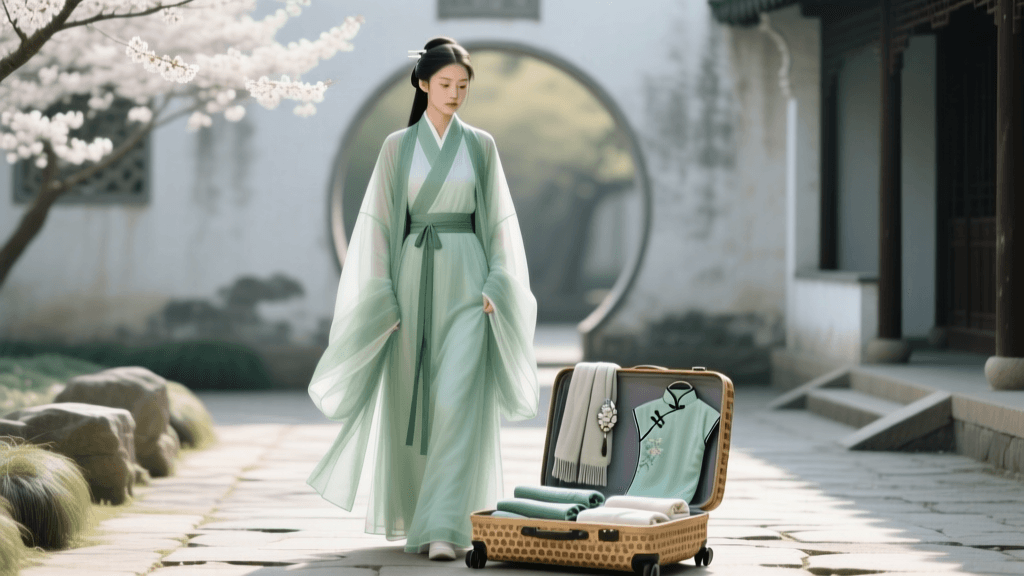
As we navigate the cultural renaissance of 2026, the traditional Chinese garment known as Hanfu has transcended local festivals and historical reenactments to become a global travel staple. From the cobblestone streets of Kyoto to the high-fashion districts of Paris, modern travelers are increasingly incorporating traditional Chinese dress into their destination wardrobes. However, traveling with Hanfu presents unique logistical challenges. The voluminous sleeves, delicate silk weaves, and intricate pleating require a strategic approach to packing, garment care, and climate adaptation.
Whether you are planning a dedicated Hanfu photography tour through Xi'an's Datang Everbright City or simply wish to pack a versatile, culturally rich outfit for a European summer vacation, building a functional travel capsule is essential. This comprehensive guide explores the best Hanfu styles for travel, cutting-edge wrinkle-resistant fabrics available in 2026, and expert packing techniques to ensure your garments arrive in pristine condition.
Building Your 2026 Hanfu Travel Capsule
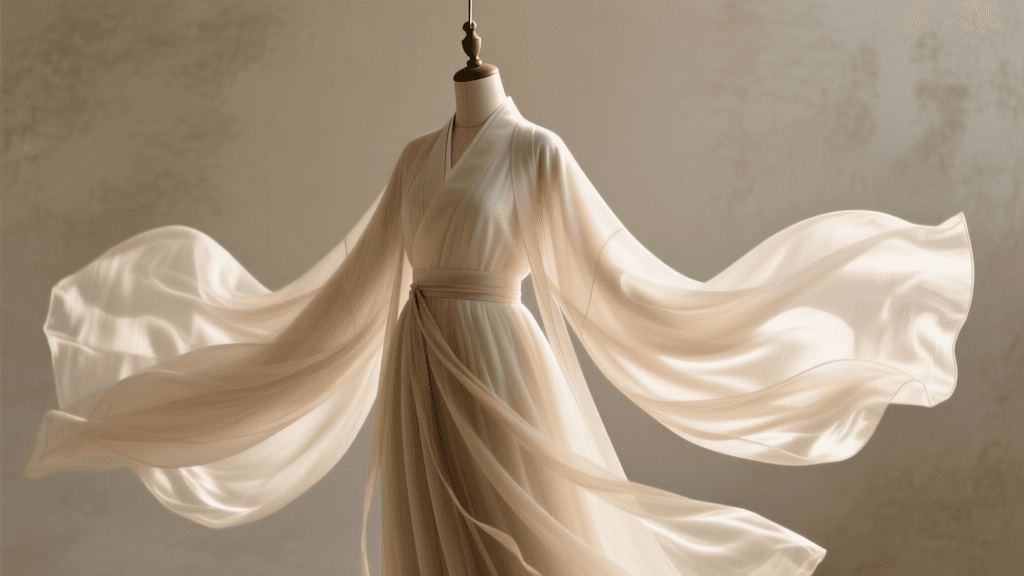
A successful travel wardrobe relies on versatility, comfort, and ease of wear. While the grand, sweeping robes of the Wei-Jin period are stunning for studio photography, they are highly impractical for navigating crowded airports, hiking up temple steps, or sitting in compact transit seats. Instead, focus on historical styles that offer a balance of elegance and mobility.
1. The Song Dynasty Beizi (褙子)
The Song Dynasty Beizi is an open-front, long-sleeved jacket that typically features narrow or straight sleeves. This silhouette is arguably the most practical for modern travel. The narrow sleeves prevent you from knocking over café cups or catching fabric in train doors, while the open-front design allows for easy layering over modern base layers or lightweight turtlenecks in cooler climates. A knee-length Beizi paired with modern tailored trousers creates a sophisticated, fusion look that respects traditional aesthetics while prioritizing mobility.
2. The Ming Dynasty Mamianqun (马面裙)
The Mamianqun, or 'horse-face skirt,' remains a cornerstone of the Hanfu wardrobe. Characterized by its flat front and back panels with deeply pleated sides, this skirt is incredibly versatile. For travel, opt for a mid-calf length Mamianqun made from structured, matte fabrics. The flat panels provide a clean, modern silhouette, while the side pleats allow for a full range of motion. In 2026, many designers are releasing 'travel-edition' Mamianqun featuring hidden side pockets and adjustable waistbands, eliminating the need for a separate travel belt.
3. The Tang Dynasty Qixiong Ruqun (齐胸襦裙)
For warm-weather destinations, the chest-high Qixiong Ruqun offers unparalleled breathability. By securing the skirt above the bust and utilizing lightweight, flowing fabrics, this style keeps the garment away from the legs, providing excellent ventilation. However, travelers must invest in modern anti-slip silicone grip tapes to ensure the skirt remains securely fastened during long days of sightseeing.
Fabric Innovations: Wrinkle-Resistant Textiles
The biggest enemy of the traveling Hanfu enthusiast is the suitcase wrinkle. Traditional mulberry silk and raw linen, while historically accurate and luxurious, crease notoriously easily. Fortunately, the textile industry in 2026 has introduced several innovative fabric blends that honor the drape and sheen of traditional textiles while offering modern resilience.
- Cupro-Silk Blends: Cupro (copper-ammonia rayon) is a regenerated cellulose fabric that mimics the smooth, lustrous feel of silk but boasts significantly higher wrinkle resistance and breathability. A 60/40 Cupro-silk blend is the gold standard for travel Mamianqun.
- Tencel-Linen Weaves: Pure linen wrinkles the moment you look at it, but blending it with Tencel (lyocell) creates a fabric that retains the crisp, textured aesthetic of historical ramie or linen while remaining remarkably soft and crease-resistant.
- Matte Polyester Chiffon: While synthetic purists may object, high-grade, matte-finish polyester chiffon is a lifesaver for sheer outer layers (pibo) and summer tops. It can be crushed into a packing cube and will emerge entirely drape-ready.
As noted by textile historians at the Victoria and Albert Museum, the evolution of Chinese silk weaving has always been driven by technological innovation. Today's adoption of semi-synthetic, eco-friendly cellulose fibers is simply the next chapter in a long history of textile adaptation, allowing traditional garments to survive the rigors of modern transit.
Packing Techniques for Voluminous Garments
Folding Hanfu using standard square methods will result in deep, stubborn creases across the pleats and sleeves. To protect your garments, adopt the following 2026 packing methodologies:
The Ranger Roll for Sleeves
Instead of folding the sleeves inward and creasing the shoulder seams, lay the garment flat, fold the sleeves straight down along the body, and roll the entire piece tightly from the hem to the collar. This 'ranger rolling' technique distributes tension evenly and prevents hard creases.
Pleated Skirt Preservation
Never roll a Mamianqun. Instead, use a specialized garment folder. Lay the skirt flat, align the flat panels, and fold the skirt in thirds along the natural lines of the pleats. Place tissue paper or a clean cotton cloth between the folds to reduce friction and maintain the sharpness of the pleats during transit.
Ultralight Compression Cubes
Ditch the bulky plastic vacuum bags, which can crush delicate embroidery and permanently distort silk fibers. In 2026, the best travel gear utilizes ultralight Dyneema compression cubes. These cubes allow you to gently compress the air out of your clothing without applying the crushing pressure of a vacuum seal, keeping your Hanfu secure and organized.
Destination Guide: Climate and Styling
Adapting your Hanfu to your destination's climate and cultural landscape is crucial for both comfort and photographic results. Below is a strategic breakdown of how to match your garments to your 2026 travel itinerary.
| Hanfu Style | Sleeve Profile | Best Fabric for Travel | Ideal 2026 Destination |
|---|---|---|---|
| Song Beizi (褙子) | Narrow / Straight | Tencel-Linen Blend | Kyoto, Japan (Spring/Autumn) |
| Ming Mamianqun (马面裙) | Wide (Pipa Sleeves) | Cupro-Silk Blend | Paris, France (Urban Fashion) |
| Tang Qixiong (齐胸襦裙) | Sleeveless / Short | Matte Chiffon / Ramie | Bali, Indonesia (Tropical) |
| Ming Ao (袄) | Fitted / Layered | Wool-Blend Jacquard | Reykjavik, Iceland (Winter) |
Layering for Extreme Climates
For winter travel, such as a trip to Northern Europe or Northern China, the Ming Dynasty Ao (a lined, high-collared jacket) is ideal. In 2026, travelers are pairing traditional wool-blend Ao with ultra-thin, battery-heated thermal undershirts. Because the Ao features a high collar and structured shoulders, it easily conceals modern thermal layers without adding visible bulk, allowing you to maintain a historically accurate silhouette even in freezing temperatures.
Footwear and Airport Security in 2026
Traditional cloud shoes (Yunxie) are beautiful but lack the arch support required for walking 15,000 steps a day on cobblestones or museum floors. For destination travel, opt for modern leather loafers or minimalist white sneakers. A white sneaker paired with a Mamianqun has become a globally recognized street-style staple, bridging the gap between ancient tradition and contemporary urban fashion.
When it comes to airport security, Hanfu accessories require forethought. The biometric and advanced millimeter-wave scanners deployed at major international hubs in 2026 are highly sensitive to metals. Traditional hairpins made of brass, copper, or steel will trigger alarms and require manual pat-downs. To breeze through security, pack hair accessories crafted from carved wood, jade, resin, or cellulose acetate. These materials provide the same elegant aesthetic without setting off security sensors.
Sustainable Travel and Cultural Respect
As Hanfu becomes a fixture in global tourism, practicing sustainable and respectful travel is paramount. Wearing traditional dress in foreign countries often invites curiosity and questions from locals. Embrace these moments as opportunities for cultural exchange. Furthermore, ensure that your garment choices respect local customs regarding modesty and sacred spaces. When visiting religious sites, always carry a lightweight, opaque shawl to cover exposed shoulders or chest lines if your Hanfu style dictates it.
Aligning your travel habits with global conservation efforts is also essential. As noted by UNESCO's Sustainable Tourism guidelines, cultural tourism should actively support local economies and preserve heritage sites. When booking your Hanfu photoshoots, hire local guides, utilize public transit to reach historical sites, and avoid purchasing mass-produced, plastic-packaged souvenir garments that contribute to environmental degradation.
Conclusion
Traveling with Hanfu in 2026 is a rewarding endeavor that merges historical appreciation with modern exploration. By selecting versatile styles like the Song Beizi and Ming Mamianqun, investing in wrinkle-resistant Cupro and Tencel blends, and utilizing smart packing techniques, you can transform your suitcase into a portable, pristine wardrobe. The historical silk routes, extensively documented in the Metropolitan Museum of Art's Silk Road archives, remind us that garments have always been meant to travel, cross borders, and tell stories. Pack thoughtfully, dress respectfully, and let your traditional wardrobe elevate your global adventures.