Hanfu Fabric Drape & Comfort Analysis: Best 2026 Picks
The Evolution of Hanfu Textile Science in 2026
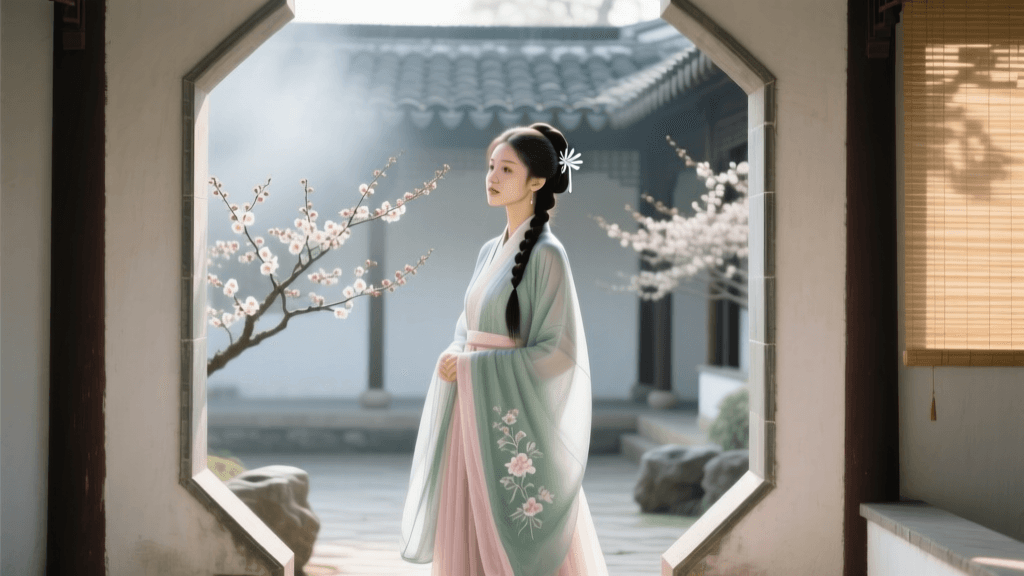
The Hanfu movement has undergone a radical transformation by 2026. What was once primarily reserved for historical reenactments, photography, and special festivals has seamlessly integrated into daily, everyday wardrobes across Asia and the global diaspora. This shift toward everyday wearability has placed an unprecedented demand on textile science. Modern enthusiasts no longer just ask how historically accurate a garment looks; they demand rigorous performance in fabric texture, dynamic drape, and all-day comfort. Understanding the physics of how traditional garments move and breathe is now essential for both designers and consumers navigating the vibrant Xin Zhongshi (new Chinese style) and traditional Hanfu markets.
In this comprehensive analysis, we break down the leading fabrics dominating the 2026 Hanfu market. By evaluating their drape coefficients, moisture-wicking capabilities, and tactile comfort, we provide a definitive guide to selecting the perfect textile for your traditional wardrobe, whether you are styling a flowing Song Dynasty ensemble or a highly structured Ming Dynasty Mamianqun (horse-face skirt).
The Physics of Drape: How Hanfu Fabrics Move
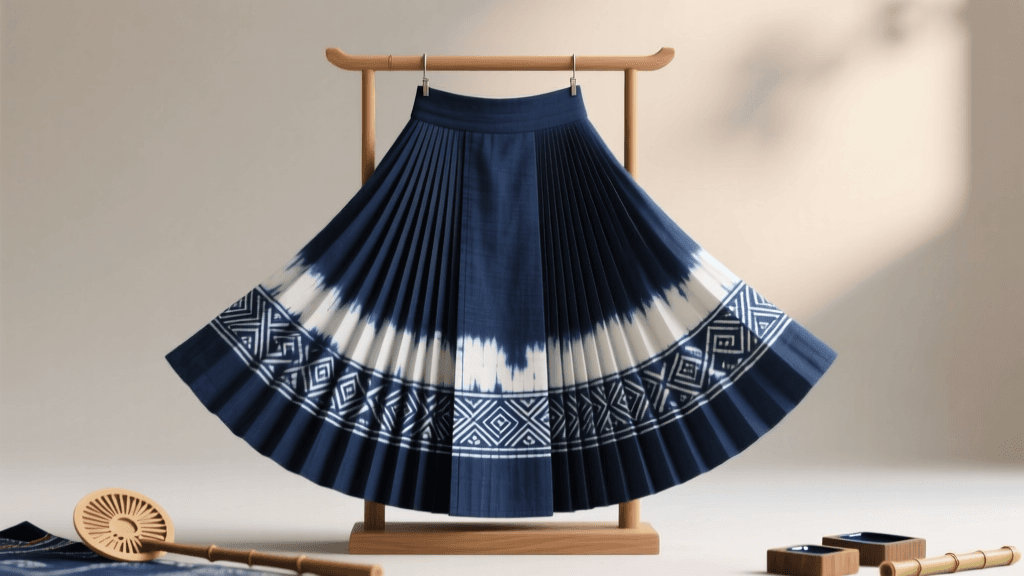
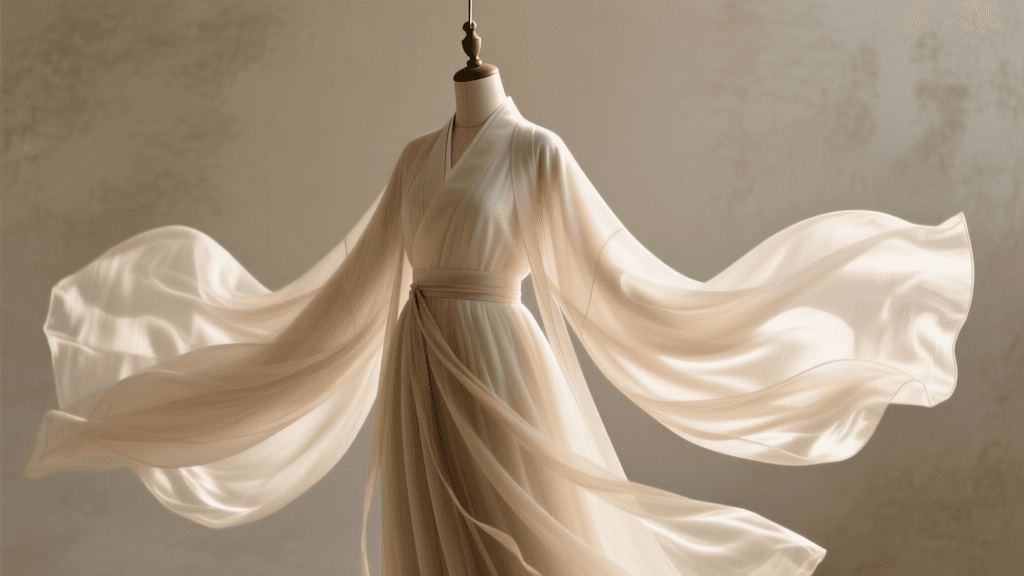
Drape is the measure of how a fabric falls and folds under its own weight. In traditional Chinese clothing, drape is not merely an aesthetic choice; it is a structural necessity. The elegant, sweeping lines of a Song Dynasty Beizi (long jacket) require a highly fluid drape, whereas the crisp, knife-sharp pleats of a Ming Dynasty Mamianqun require a fabric with high bending stiffness and structural memory.
According to textile testing standards outlined by Intertek Textile Testing, drape is often measured using the Cusick Drape Test, which calculates a drape coefficient percentage. A lower percentage indicates a highly fluid, soft fabric that clings and flows, while a higher percentage indicates a stiff, structured fabric that holds its shape away from the body. In 2026, advancements in yarn spinning and finishing techniques have allowed manufacturers to precisely engineer these drape coefficients, creating fabrics that mimic historical aesthetics while offering superior modern comfort.
Mulberry Silk (Sang Can Si): The Fluid Gold Standard
Mulberry silk remains the undisputed pinnacle of luxury in Hanfu fashion. For garments requiring a liquid, water-like drape—such as the Tang Dynasty Qixiong Ruqun (chest-high skirt) or the delicate, translucent Luo (gauze) weaves of the Song Dynasty—silk is unmatched. In 2026, the market is dominated by 19-momme to 30-momme silk crepe de chine and heavy silk charmeuse. The 19-momme weight offers a beautiful, breezy fluidity perfect for summer layers, while 30-momme provides a weighty, opulent drape that resists wrinkling and offers a luxurious, cooling skin-feel. The triangular prism-like structure of the silk fiber refracts light, giving Hanfu its signature ethereal shimmer, a property that synthetic alternatives still struggle to replicate authentically.
Xiangyunsha: The 2026 Climate-Adaptive Marvel
Xiangyunsha, or Gambiered Canton Gauze, has seen a massive resurgence due to 2026's sustainable processing innovations. Traditionally dyed with薯莨 (Dioscorea cirrhosa) yam juice and coated in iron-rich river mud, this fabric is renowned for its unique dual-texture: a matte, earthy black on one side and a glossy, warm brown on the other. Modern Xiangyunsha is celebrated for its exceptional comfort in humid climates. It is naturally antibacterial, incredibly lightweight, and possesses a crisp, rustling texture that prevents the fabric from clinging to the skin. Its drape is moderately structured, making it an excellent choice for everyday Ruqun sets and lightweight summer jackets that require a bit of architectural volume without adding thermal weight.
Comfort and Breathability: Beating the Heat in Structured Garments
Comfort in Hanfu is heavily dictated by breathability and moisture management. Because traditional garments often involve multiple layers and generous fabric yardage, heat retention can be a significant issue in warmer months. The 2026 textile market has introduced brilliant solutions that honor traditional aesthetics while prioritizing physiological comfort.
Ramie (Xia Bu): The Structured Breathability Champion
Ramie, one of the oldest textile fibers in Asia, is the undisputed champion of structured breathability. Often referred to as 'Chinese linen,' ramie is significantly stronger and more lustrous than flax linen. For Hanfu styles that demand sharp, unyielding pleats—most notably the Mamianqun—ramie is the ideal choice. It possesses a high drape coefficient, meaning it holds its shape beautifully and will not collapse or lose its pleats even after hours of sitting. Furthermore, ramie's natural hollow fiber structure allows for unparalleled air circulation. Modern 2026 processing techniques, such as enzyme washing and cotton-ramie blending, have eliminated the historical itchiness associated with raw ramie, resulting in a fabric that is crisp, cooling, and remarkably soft against the skin.
Tencel and Bamboo Viscose Blends: The Modern Innovators
For enthusiasts seeking the fluid drape of silk but requiring the durability and easy care of modern textiles, Tencel (lyocell) and bamboo viscose blends have become the go-to choices in 2026. Tencel, derived from sustainably sourced wood pulp, offers a spectacular, heavy drape that closely mimics silk charmeuse. It is highly absorbent, wicking moisture away from the skin 50% more effectively than cotton. Bamboo viscose, on the other hand, offers a softer, more matte finish with natural thermoregulating properties. These semi-synthetic cellulosic fibers are frequently used in everyday, machine-washable Hanfu lines, democratizing access to beautiful, flowing garments without the prohibitive cost and delicate care requirements of pure mulberry silk.
2026 Hanfu Fabric Comparison Matrix
To help you make an informed decision for your next garment purchase or custom commission, we have compiled a comprehensive comparison chart based on current 2026 textile testing data and market offerings. This matrix evaluates the most popular Hanfu fabrics across critical performance metrics.
| Fabric Type | Weight / Thickness | Drape Characteristic | Breathability | Best Hanfu Application |
|---|---|---|---|---|
| Mulberry Silk (Crepe de Chine) | 19mm - 22mm | Highly Fluid, Soft | Excellent | Song Dynasty tops, flowing skirts, inner layers |
| Heavy Silk Charmeuse | 25mm - 30mm | Weighty, Luxurious Fluidity | Good | Formal Tang Dynasty skirts, winter Ao jackets |
| Xiangyunsha (Gambiered Gauze) | Lightweight (GSM 45-60) | Crisp, Rustling, Moderate | Exceptional | Summer Ruqun, lightweight Beizi, everyday wear |
| Pure Ramie | Medium (GSM 120-150) | Highly Structured, Stiff | Exceptional | Ming Dynasty Mamianqun, structured outer layers |
| Tencel / Silk Blend (70/30) | Medium (GSM 130-160) | Fluid, Heavy, Silk-like | Very Good | Everyday Qun, modern Xin Zhongshi dresses |
| Bamboo Viscose Jersey | Light to Medium | Clings, Highly Fluid | Excellent | Inner garments, modern casual Hanfu basics |
Actionable Advice: Choosing the Right Fabric for Your Lifestyle
Selecting the correct fabric goes beyond mere aesthetics; it must align with your lifestyle, climate, and maintenance willingness. If you live in a highly humid, subtropical climate and plan to wear Hanfu for daily commutes, avoid heavy 30-momme silks which can trap heat and show sweat marks readily. Instead, opt for Xiangyunsha or a lightweight Tencel blend. These fabrics dry quickly, resist odor, and maintain their elegant drape even in high moisture environments.
For those investing in a Ming Dynasty Mamianqun, the structural integrity of the pleats is paramount. According to historical textile research preserved by the China National Silk Museum, the beauty of the horse-face skirt relies on the contrast between the flat front panels and the deeply pleated sides. Therefore, flimsy, highly fluid fabrics like thin silk chiffon or lightweight bamboo viscose will cause the pleats to collapse and fan out awkwardly. Always choose a high-twist crepe, a heavy silk satin, or a crisp ramie-cotton blend to ensure the skirt maintains its architectural silhouette when walking or sitting.
Care and Maintenance for Optimal Drape and Longevity
The longevity and sustained comfort of your Hanfu garments depend heavily on proper textile care. The way a fabric is washed and stored directly impacts its future drape and skin-feel.
- Silk and Xiangyunsha: Never machine wash these delicate fibers. Hand wash in cold water using a pH-neutral, enzyme-free detergent specifically formulated for protein fibers. Xiangyunsha should be gently swished and never wrung or twisted, as this can break the delicate mud-coated fibers. Always air dry in the shade; UV rays will rapidly degrade silk proteins and fade the natural yam dyes.
- Ramie and Linen Blends: These can withstand gentle machine washing on a cold, delicate cycle. However, to maintain the crispness required for Mamianqun pleats, remove the garment while slightly damp and use a high-pressure garment steamer to set the pleats. Ironing with a dry iron can flatten the natural texture and create unwanted shine.
- Tencel and Bamboo Blends: While highly durable, these cellulosic fibers are prone to fibrillation (pilling) if subjected to high friction. Wash inside out in a mesh laundry bag. Avoid high-heat tumble drying, which will severely compromise the fabric's fluid drape and cause irreversible shrinkage.
Conclusion
The Hanfu landscape in 2026 is a beautiful synthesis of ancient weaving philosophies and cutting-edge textile engineering. Whether you are drawn to the historical luxury of mulberry silk, the crisp, cooling architecture of ramie, or the modern, sustainable convenience of Tencel blends, understanding the science of fabric drape and comfort is the key to mastering traditional dress. By selecting the right textile for your specific garment style and environmental needs, you ensure that your Hanfu is not just a visual masterpiece, but a deeply comfortable, living extension of your daily life.
For further reading on the historical evolution of Chinese textile weaving and the preservation of ancient loom techniques, enthusiasts are encouraged to explore the extensive digital archives and academic publications provided by the Wilson College of Textiles, which continues to lead global research in sustainable and historical fabric conservation.