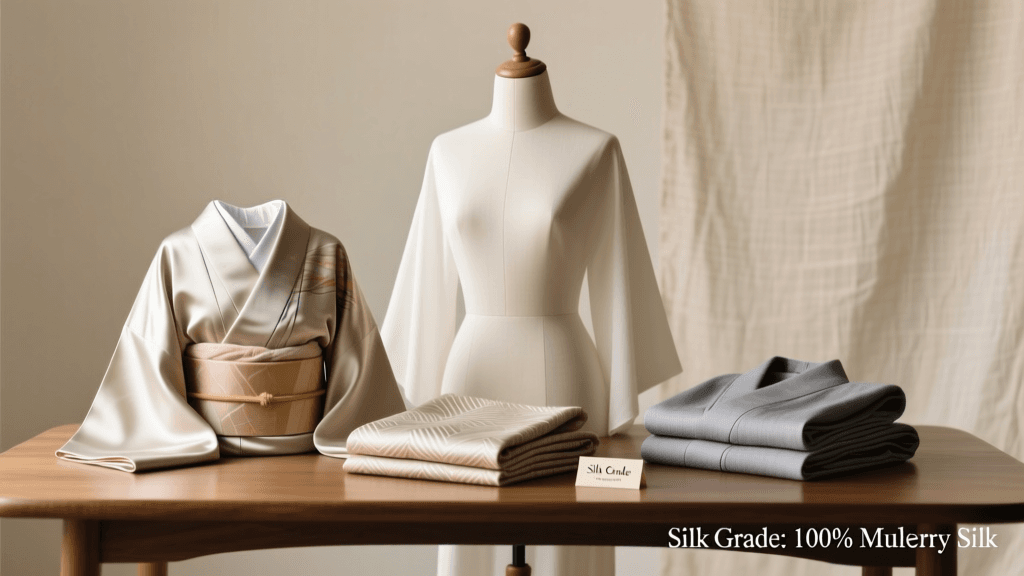
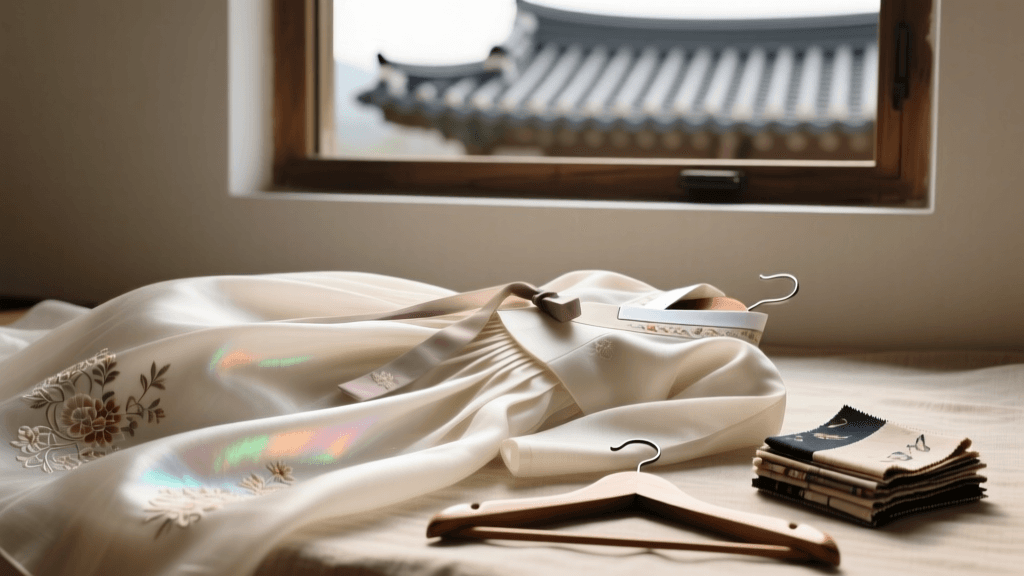
Kimono Weather Adaptations 2026: Rain, Snow & Heat Guide
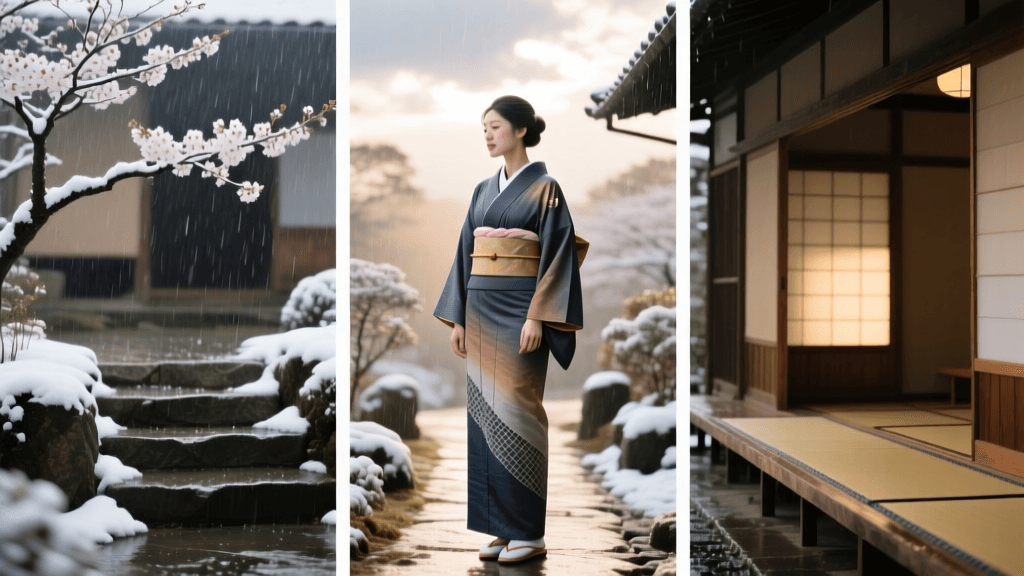
Navigating the Elements in Traditional Japanese Garments
Wearing a kimono is a profound expression of Japanese aesthetics, deeply tied to the changing seasons. However, the delicate nature of traditional textiles—particularly silk—makes extreme weather a formidable challenge. As we navigate the shifting climate patterns of 2026, kimono enthusiasts and practitioners are increasingly blending centuries-old sartorial wisdom with cutting-edge material science. Whether you are braving the torrential summer typhoons, walking through a snowy Kyoto winter, or enduring the sweltering humidity of August, understanding how to adapt your kimono wardrobe is essential for both preserving your garments and maintaining personal comfort.
According to The Metropolitan Museum of Art's comprehensive guide on Kimono, the evolution of these garments has always been responsive to environmental and social changes. Today, that evolution continues as heritage techniques meet modern necessity.
Rain Adaptations: Protecting Silk and Hemlines
Rain is the natural enemy of the silk kimono. Water spots can permanently stain the fabric, while mud splattered on the hem (susomawashi) can ruin a priceless antique. Historically, wearers relied on the amagappa, a traditional raincoat made from treated paper, oiled silk, or later, rubberized cotton. While vintage amagappa remain popular collectors' items, they lack the breathability required for modern transit.
Modern 2026 Rain Gear
In 2026, the kimono community has widely adopted advanced nano-silicone fabric protectors. Unlike the heavy acrylic sprays of the early 2020s that stiffened the chirimen (crepe) silk, modern hydrophobic mist treatments create an invisible, breathable barrier that causes water to bead and roll off without altering the drape or hand-feel of the textile.
For physical coverage, the modern shigure (rain) coat is a staple. These are typically crafted from lightweight, waterproof polyester blends designed to mimic the aesthetic of a traditional haori or michiyuki. Crucially, they feature extended lengths and snap-closures at the cuffs to prevent water from traveling down the sleeve and onto the kimono beneath.
Footwear for Wet Conditions
Traditional zori sandals are easily destroyed by puddles. For rainy days, wearers utilize shigure geta—wooden clogs fitted with removable, waterproof vinyl covers that encase the foot and the hanao (thongs). In 2026, several artisanal brands have introduced geta with integrated, shock-absorbing rubber soles and hidden waterproof gaiters, allowing for a silent, slip-free walk on wet asphalt while maintaining the elevated posture required to keep the kimono hem out of the mud.
Snow and Extreme Cold: The Art of Layering
Winter in regions like Hokkaido or the mountainous areas of Honshu demands serious thermal protection. The kimono system is inherently modular, making it exceptionally well-suited for trapping heat through strategic layering.
Thermal Underlayers and Outer Coats
The foundation of winter warmth is the nagajuban (under-kimono). While traditional wool or thick cotton juban are still used, 2026 has seen a surge in ultra-thin, graphene-infused thermal innerwear designed specifically for the kimono silhouette. These garments absorb body heat and distribute it evenly without adding bulk, which is critical for maintaining the smooth, cylindrical lines of the oshiyori (the wrapped waist area).
Over the kimono, the michiyuki (a square-necked overcoat) or the haori (an open-front jacket) provide essential windbreaks. For extreme snow, the manto—a western-style cape adapted in the Meiji era for kimono wearers—has seen a massive revival. Modern 2026 manto designs feature insulated, moisture-wicking linings and high collars lined with ethically sourced faux-fur or traditional recycled silk wadding to protect the neck and shoulders from freezing winds.
Winter Footwear and Extremities
Standard cotton tabi (split-toe socks) offer zero insulation against snow. The solution is the yuki-tabi (snow tabi) or setta (leather-soled sandals) worn over thick, quilted fleece tabi. Furthermore, the eri-maki (a plush, feather or silk scarf wrapped around the collar) and the kaimaki (a thick, padded indoor robe) ensure that warmth is maintained from the transit to the tea room.
Heat and Humidity: Surviving the Japanese Summer
The Japanese summer is notoriously hot and humid, posing a severe risk of heatstroke for those wrapped in multiple layers of silk. Adapting to this requires a shift in both textile choice and structural dressing.
Summer Textiles: Ro, Sha, and Ojiya-Chijimi
From June to August, the wardrobe shifts to natsumono (summer garments). The most prized silks are ro and sha, which utilize leno and gauze weaves to create a sheer, highly breathable fabric that allows air to circulate directly against the skin. For cotton and hemp, Ojiya-chijimi is the gold standard. As noted by UNESCO's Intangible Cultural Heritage registry for Ojiya-chijimi, this traditional ramie fabric from Niigata Prefecture features a unique crepe texture that prevents the fabric from clinging to sweaty skin, making it an indispensable asset for summer wear.
Structural Adaptations and Cooling Tech
In 2026, the concept of usugoromo (dressing with minimal padding) is enhanced by modern cooling technology. Instead of the traditional cotton hadajuban (undershirt), wearers now utilize innerwear woven with Phase Change Material (PCM) microcapsules. These capsules absorb and store excess body heat, providing a literal cooling sensation that lasts for several hours outdoors.
Additionally, the collar is often dressed slightly looser in the back (eri wo nuku), a traditional aesthetic rule that conveniently exposes the nape of the neck to cooling breezes. For casual settings, the yukata (unlined cotton robe) and jinbei (a two-piece cotton lounge set) remain the ultimate, unrestricted summer uniforms, as highlighted in Japan-Guide's extensive overview of traditional Japanese clothing.
2026 Kimono Weather Adaptation Matrix
| Weather Scenario | Traditional Outerwear | 2026 Modern Tech Integration | Footwear |
|---|---|---|---|
| Heavy Rain / Typhoon | Amagappa (Rain Cape) | Nano-silicone hydrophobic silk spray; Snap-cuff polyester haori | Shigure geta with vinyl covers |
| Snow / Freezing Cold | Manto (Cape) / Michiyuki | Graphene-infused thermal nagajuban; Insulated faux-fur collars | Quilted fleece tabi with setta |
| Extreme Heat / Humidity | Ro / Sha Silk; Yukata | PCM (Phase Change Material) cooling innerwear; UV-blocking sheer mesh | Barefoot-style woven rattan zori |
| Windy / Dust Storms | Haori with tied cords | Anti-static silk linings; Weighted hem clips | Standard leather-soled zori |
Post-Weather Care and Maintenance
Surviving the elements is only half the battle; proper post-wear care is what ensures a kimono's longevity. After exposure to high humidity or rain, a silk kimono must never be folded immediately. It should be hung on a specialized, wide-shouldered kimono hanger (emonkake) in a climate-controlled room with a dehumidifier for at least 24 hours to allow trapped moisture to evaporate.
If snow or rain has caused mud splatters on the hem, do not rub the fabric. Allow the mud to dry completely, then gently brush it away with a soft-bristled silk brush before taking it to a professional cleaner for maru-arai (a specialized full-garment wash using petroleum-based solvents that protect the dyes). By respecting both the traditional wisdom and the technological advancements of 2026, you can confidently wear your kimono through any storm, snowfall, or heatwave.