Japanese Natural Dye Plants: 2026 Eco-Friendly Methods
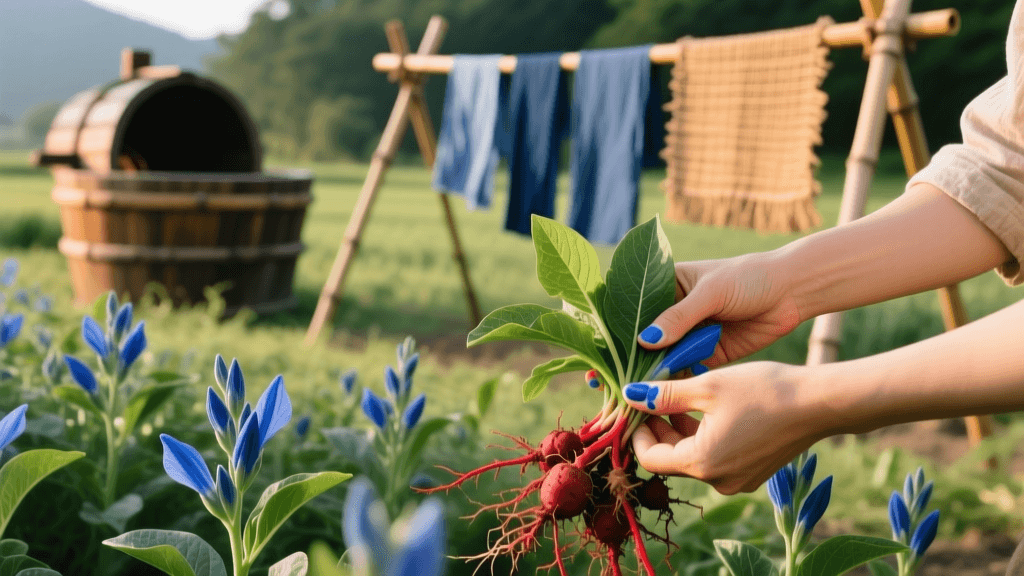
The Renaissance of Kusaki-Zome in 2026
The ancient Japanese art of kusaki-zome (草木染め), or natural plant dyeing, has experienced a profound renaissance as the global fashion industry pivots toward radical sustainability. In 2026, the intersection of traditional Asian textile crafts and modern green technology has birthed a new era of eco-friendly dyeing. Artisans and commercial studios alike are reimagining how natural pigments are cultivated, extracted, and fixed to fabrics, ensuring that the environmental footprint of every garment is minimized. According to UNEP's sustainable fashion initiatives, the transition toward circular, bio-based textile production is no longer a niche preference but a critical industry standard.
Historically, natural dyeing was labor-intensive and occasionally reliant on resource-heavy processes, such as massive water consumption for rinsing or the use of mined heavy metals for mordanting. Today, the 2026 landscape of Japanese natural dye plants is defined by closed-loop water systems, regenerative agriculture, and bio-mordants. This guide explores the specific plants leading this sustainable charge and the cutting-edge, eco-friendly methods used to process them.
Top Japanese Natural Dye Plants for Sustainable Crafting
Japanese Indigo (Ai / Polygonum tinctorium)
Japanese Indigo, or Ai, remains the undisputed king of natural dyes. However, the 2026 approach to cultivating and fermenting indigo leaves into sukumo (the traditional composted dye base) has been radically optimized. In Tokushima and other premier growing regions, farmers now utilize solar-assisted climate control and IoT soil sensors to maintain the precise 30°C temperature and moisture levels required for fermentation, eliminating the need for fossil-fuel-based heating. Furthermore, the residual indigo stalks and depleted vat sludge are now systematically processed into high-grade biochar, which is returned to the fields to sequester carbon and improve soil microbiome health. The current 2026 market price for premium, sustainably certified Tokushima sukumo averages ¥16,500 per kilogram, reflecting the investment in these zero-waste agricultural practices.
Madder Root (Akane / Rubia argyi)
Madder root yields the brilliant reds and deep terracottas historically reserved for nobility and samurai undergarments. In 2026, the cultivation of Akane focuses heavily on soil regeneration. Rather than depleting the earth, modern eco-farms inoculate madder seeds with specific mycorrhizal fungi. This symbiotic relationship dramatically increases the root's natural alizarin yield without the use of synthetic nitrogen fertilizers. Extraction methods have also evolved. Studios now employ Ultrasound-Assisted Extraction (UAE) at low temperatures (around 40°C). This technology uses acoustic cavitation to break down plant cell walls, releasing the red pigment while using 60% less energy and 40% less water than the traditional multi-hour boiling methods of the past decade.
Japanese Plum (Ume / Prunus mume)
The Japanese Plum tree provides a stunning range of soft pinks, grays, and warm browns, depending on the mordant used. The 2026 sustainability angle for Ume dyeing lies in agricultural upcycling. Rather than cultivating trees specifically for dye, artisan studios partner with regional orchards in Wakayama and Yamanashi to collect the massive volume of branches pruned during the annual winter harvest. These pruned branches, which would otherwise be burned or sent to landfills, are chipped and simmered to extract tannins and pigments. This zero-waste partnership ensures that the dye material is a byproduct of existing food production, drastically lowering the carbon footprint associated with land use.
2026 Eco-Friendly Extraction and Mordanting Methods
A dye is only as sustainable as the chemicals used to bind it to the fiber. Traditional mordants often included chrome, tin, or heavily mined alum, which pose significant environmental and health risks. In 2026, adherence to green chemistry principles has popularized the use of bio-mordants and plant-based binders.
- Symplocos (Bio-Mordant): The leaves of the Symplocos plant naturally accumulate aluminum from the soil. In 2026, powdered Symplocos is the industry standard for replacing mined alum. It is entirely renewable, requires no chemical processing, and leaves the dyed fabric with a remarkably soft hand-feel.
- Soy Milk Protein Binders: For cellulose fibers like hemp and organic cotton, which are notoriously difficult to dye with natural pigments, fermented soy milk is used as a pre-treatment. The soy proteins bind to the cellulose, creating a receptive layer for the plant dyes without the need for metallic salts.
- Closed-Loop Water Filtration: Modern kusaki-zome studios in 2026 are equipped with membrane bioreactors. These systems filter and purify the water used in the dyeing and rinsing stages, allowing up to 90% of the water to be recycled back into the studio, effectively neutralizing the issue of dye effluent polluting local waterways.
Comparison Chart: Legacy vs. 2026 Eco-Optimized Methods
To understand the magnitude of the shift in sustainable textile crafting, consider the following comparison between pre-2025 legacy methods and the current 2026 eco-optimized standards.
| Parameter | Legacy Methods (Pre-2025) | 2026 Eco-Optimized Methods |
|---|---|---|
| Water Usage | High (continuous flushing and single-use vats) | Closed-loop membrane filtration (85% reduction) |
| Mordants | Chrome, Tin, Mined Alum | Symplocos bio-mordant, Soy Milk protein binders |
| Energy Source | Gas-fired boilers for boiling and vat heating | Solar thermal arrays and ultrasound-assisted extraction |
| Waste Management | Spent plant matter sent to landfill | Composted into biochar or used as agricultural mulch |
| Yield Efficiency | Standard boiling (high heat, long duration) | Enzymatic and acoustic extraction (low heat, high yield) |
Actionable Guide: Setting Up a Zero-Waste Indigo Vat
For textile artisans, educators, and sustainable fashion designers looking to implement these 2026 methods, setting up a zero-waste Japanese Indigo (Ai) vat requires precision and a commitment to eco-friendly practices. Below is a step-by-step guide to building a sustainable sukumo vat.
Step 1: Sourcing and Preparation
Procure 500g of certified organic, solar-fermented sukumo from a regenerative farm in Tokushima. You will also need 100g of wood ash lye (an alkaline agent made from the ash of untreated, sustainably harvested hardwoods) and 50ml of organic wheat bran or sake lees to feed the indigo-reducing bacteria. Ensure your vat is a thick-walled ceramic or insulated stainless-steel vessel to retain heat naturally.
Step 2: Building the Alkaline Environment
Dissolve the wood ash lye in 5 liters of purified, chlorine-free water. The target pH for a healthy 2026 indigo vat is between 10.5 and 11.5. Use a digital pH meter rather than paper strips for accuracy. Slowly incorporate the sukumo and the wheat bran. The bacteria (Clostridium isatidis) will begin consuming the bran and stripping oxygen from the indigo, reducing it into its water-soluble, yellow-green leuco state.
Step 3: Thermal Management via Solar Heat
Instead of using an electric heating element wrapped around the vat, utilize a solar thermal water bath. Place your dye vat inside a larger, insulated water jacket connected to a small rooftop solar thermal collector. Maintain the vat temperature strictly between 28°C and 32°C. This gentle, renewable heat encourages robust bacterial activity without risking the thermal shock that can kill the culture.
Step 4: Dyeing and Oxidation
Wet your pre-scoured, soy-milk-treated organic cotton or hemp fabric. Gently submerge it into the vat for 10 to 15 minutes, ensuring you do not splash or introduce excess oxygen. Upon removal, the fabric will appear yellow-green. Hang it in a well-ventilated, shaded area to oxidize. As it meets the air, the pigment will bloom into a rich, deep blue. Repeat this dip-and-oxidize process 5 to 8 times for a medium shade, or up to 15 times for the coveted kame-nozoki (deep bottle blue) shade.
Step 5: Neutralizing and Finishing
Once the desired depth of color is achieved, rinse the fabric in a closed-loop filtration basin. To neutralize the high alkalinity and set the color, give the fabric a final soak in a mild, naturally fermented rice water bath (a traditional Japanese technique known as togijiru). This restores the fabric's pH to skin-safe levels and adds a beautiful, subtle luster to the indigo-dyed fibers.
The Future of Asian Textile Traditions
The evolution of kusaki-zome in 2026 proves that preserving Asian cultural heritage does not require clinging to environmentally harmful practices of the past. By embracing bio-mordants, regenerative agriculture, and closed-loop water systems, modern artisans are ensuring that the breathtaking colors of Japanese indigo, madder, and plum can be enjoyed by future generations. As the global demand for sustainable, ethically crafted garments continues to surge, these eco-friendly methods position traditional Japanese dyeing not merely as a historical curiosity, but as a vital, forward-looking pillar of the circular fashion economy.