Hanfu Travel Wardrobe 2026: Packing Essentials & Destination Styles
The 2026 Hanfu Travel Revolution: Blending Heritage with Mobility
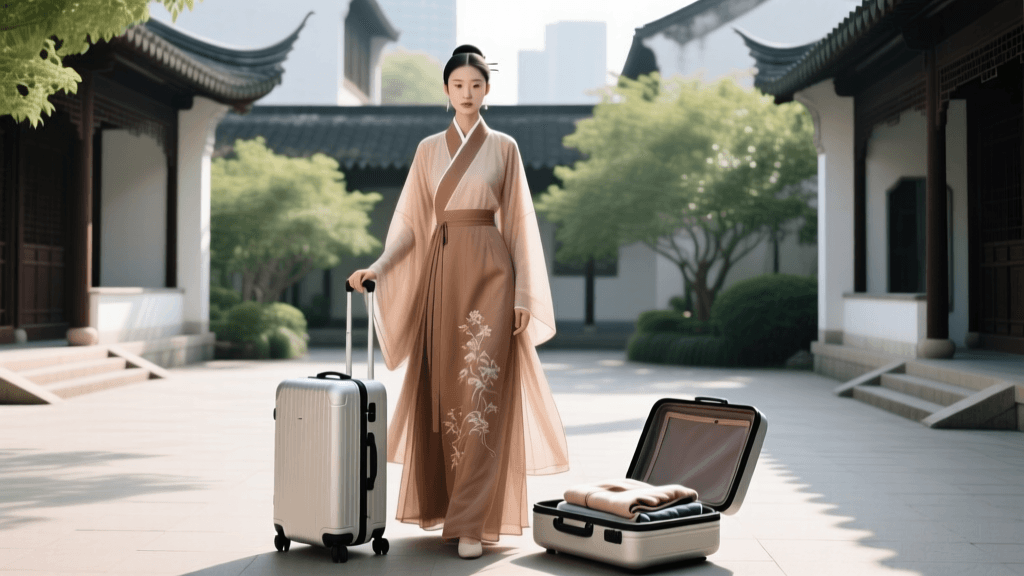
As we move through 2026, the global appreciation for traditional Chinese clothing has evolved from local cultural festivals to a mainstream international travel phenomenon. The modern Hanfu enthusiast is no longer confined to domestic photography studios; they are exploring the streets of Paris, the shrines of Kyoto, and the historic walls of Xi'an. However, traveling with traditional garments presents a unique set of logistical challenges. Voluminous sleeves, intricate pleats, and delicate silk fabrics require strategic packing to ensure they arrive at your destination in pristine condition.
This comprehensive guide explores the ultimate Hanfu travel wardrobe for 2026, focusing on cutting-edge wrinkle-resistant textiles, geometric packing techniques for complex garments like the Mamianqun, and destination-specific styling curation. Whether you are a seasoned Hanfu traveler or planning your first international heritage trip, mastering these essentials will elevate your journey.
The 2026 Fabric Science: Travel-Ready Traditional Textiles
Historically, traditional garments were crafted from pure mulberry silk, which, while luxurious, is notoriously prone to creasing and water spotting. Understanding the historical weight and weave of silk, as detailed by the Metropolitan Museum of Art's Heilbrunn Timeline of Art History, is crucial for appreciating modern textile innovations. In 2026, the Hanfu industry has introduced revolutionary travel-friendly fabrics that maintain the drape and sheen of traditional textiles while offering the resilience of modern activewear.
Top Travel Fabrics for 2026
- Nano-Treated Crepe Silk (19-22 Momme): Treated with a microscopic hydrophobic coating, these silks repel light rain and resist deep-set wrinkles. The heavier 22-momme weight ensures the fabric hangs beautifully and resists wind-swept tangling.
- High-Twist Linen-Cotton Blends: Ideal for summer travel, these blends mimic the crisp, structured look of Song Dynasty ramie but with added cotton for softness and reduced wrinkling. They are machine-washable on gentle cycles, a massive advantage for long-term travelers.
- Synthetic Brocade (Jacquard Poly-Blends): For Ming Dynasty outerwear and heavily patterned skirts, modern jacquard poly-blends offer the rich, raised textures of traditional brocade without the crushing. These fabrics can be tightly rolled and will spring back to their original shape within minutes of unpacking.
Mastering the Mamianqun: Pleat Preservation Techniques
The Mamianqun (horse-face skirt) is a staple of the Ming Dynasty wardrobe and a favorite among modern travelers for its versatility. However, its sharp, knife-like pleats are a nightmare to pack. In 2026, travelers have moved away from standard rolling methods, adopting the "Velvet Guard Accordion" technique to preserve pleat integrity in standard carry-on luggage.
Step-by-Step Accordion Packing Method
- Align and Clip: Lay the skirt flat on a clean surface. Align the outer pleats perfectly. Use soft, velvet-lined sewing clips (never metal binder clips, which leave permanent indentations) to secure the top waistband and the bottom hem.
- The Accordion Fold: Instead of folding the skirt in half, fold it along its existing pleat lines in a continuous accordion zigzag. This ensures that you are folding with the garment's natural memory, not against it.
- Velvet Pleat Guards: Place a strip of soft velvet or acid-free silk tissue paper over the folded edges before placing it in your compression cube. This prevents friction burn and softens the fold line.
- Waistband Roll: The stiff, often embroidered waistband should never be folded. Roll it loosely and tuck it into the center of the folded pleats or place it along the perimeter of your packing cube.
Destination Wardrobe Curation: Where to Wear What
Curating a destination-specific Hanfu wardrobe requires balancing aesthetic harmony with local climate and cultural etiquette. Below is our 2026 destination matrix for the global Hanfu traveler.
| Destination | Recommended Style | Best Fabric for 2026 | Packing Method |
|---|---|---|---|
| Kyoto, Japan | Song Dynasty Beizi & Pleated Skirt | Wrinkle-Resistant Linen-Cotton | Rolling with Silk Tissue |
| Xi'an, China | Tang Dynasty Qixiong Ruqun | Heavy 22-Momme Crepe Silk | Accordion Fold in Garment Folder |
| Paris, France | Ming Dynasty Mamianqun & Modern Top | Nano-Treated Synthetic Brocade | Flat Fold with Velvet Pleat Guards |
Kyoto: Minimalist Elegance in Historic Settings
When visiting UNESCO World Heritage sites like the Historic Monuments of Ancient Kyoto, subtlety is key. The Song Dynasty Beizi (a long, open-front jacket) paired with a simple, solid-colored pleated skirt offers a minimalist silhouette that complements the serene bamboo groves and wooden shrines without appearing overly theatrical. Opt for muted earth tones—celadon, mist grey, or bamboo green. Linen-cotton blends are highly recommended here, as they breathe well during humid Japanese summers and resist wrinkles when you are sitting on tatami mats or walking long distances between temples.
Xi'an: Tang Dynasty Grandeur on the Ancient Walls
Xi'an is the undisputed capital of Hanfu tourism. Cycling the ancient City Wall or visiting the Datang Everbright City calls for the vibrant, voluminous Qixiong Ruqun (chest-high skirt) of the Tang Dynasty. Because Xi'an experiences extreme temperature shifts, layering is essential. Pack a 22-momme silk Ruqun for its luxurious drape, and bring a modern, tailored wool-blend cloak (Pifeng) for chilly evenings. Use a dedicated hard-shell garment folder for these voluminous pieces to prevent the chest-high ties from tangling and creasing.
Paris: Fusion Fashion in the European Capital
Parisian street style in 2026 heavily embraces cultural fusion. The most striking and practical look for Paris is the Ming Dynasty Mamianqun paired with a high-quality modern turtleneck or a structured blazer. The contrast between the traditional jacquard patterns of the skirt and modern European tailoring creates a sophisticated, high-fashion aesthetic perfect for cafe-hopping in Le Marais or visiting the Louvre. Synthetic brocades are ideal here, as they handle the unpredictable Parisian rain and the rigors of Metro commuting far better than pure silk.
Essential Travel Accessories & Footwear
A complete Hanfu wardrobe extends beyond the garments. Traveling with traditional accessories requires downsizing without sacrificing the aesthetic integrity of the outfit.
Transit-Friendly Footwear
Traditional cloud shoes (Yunxie) are beautiful but lack the arch support required for navigating cobblestone streets or massive museum complexes. In 2026, several heritage footwear brands have released "Travel Cloud Shoes" featuring memory foam insoles, rubberized anti-slip outers, and water-resistant uppers. These provide the traditional embroidered aesthetic while offering the comfort of a modern sneaker. Always pack a pair of foldable silk flats as a backup for indoor temple visits where shoes must be removed and carried.
Magnetic Hairpins and Modular Crowns
Elaborate Ming Dynasty hair crowns (Diji) and fragile wooden hairpins are notoriously difficult to pack. The solution is the modular magnetic hairpin system, which has gained massive popularity this year. These sets feature a secure, flat base that slides into a standard bun, with decorative floral or pearl elements that snap on via strong neodymium magnets. This allows you to pack the delicate ornaments flat in a padded jewelry roll, assembling the intricate updo only when you arrive at your destination.
Garment Care on the Road: Steaming and Conservation
Even with the best packing techniques, natural fibers will require some refreshing upon arrival. According to textile conservation guidelines from the Victoria and Albert Museum, direct high heat can permanently damage protein-based fibers like silk. Therefore, traditional ironing is strictly forbidden.
The 2026 Travel Steaming Kit
- Micro-Steamer with Silk Guard: Invest in a high-quality, dual-voltage portable steamer equipped with a Teflon or silk-guard attachment. This disperses the steam evenly and prevents hot water spitting, which can leave water spots on delicate brocades.
- Silk-Safe Detergent Sheets: Liquid detergents are a spill risk in transit. pH-neutral, biodegradable detergent sheets designed specifically for protein fibers are the 2026 standard for hand-washing silk Ruqun in hotel sinks. They dissolve instantly in lukewarm water and require minimal rinsing.
- Humidity Control Sachets: When traveling to tropical or highly humid destinations, place silica gel sachets wrapped in breathable cotton pouches inside your garment bag. This prevents the growth of mildew on heavily embroidered collars and cuffs during long transit periods.
Conclusion: Traveling with Intention
Traveling with Hanfu in 2026 is an exercise in intentional packing and cultural appreciation. By selecting travel-engineered fabrics, mastering geometric folding techniques, and curating your wardrobe to respect and complement your destination, you transform your luggage into a portable heritage museum. The modern Hanfu traveler proves that traditional elegance and global mobility are not mutually exclusive, paving the way for a more interconnected and beautifully dressed world.