Global Runway Kimono Trends: 2026 Fashion Week Guide

The Renaissance of the Kimono Silhouette in 2026
As the Spring/Summer and Autumn/Winter 2026 global fashion week circuits conclude across New York, London, Milan, and Paris, one distinct cultural influence has unequivocally dominated the haute couture runways: the Japanese kimono. Moving far beyond the superficial orientalism of past decades, today’s top fashion houses are engaging in a profound structural and textile-based dialogue with traditional Japanese garment-making. In 2026, the kimono is no longer merely a costume reference; it is a masterclass in zero-waste tailoring, sustainable silk production, and avant-garde silhouette construction.
Designers are increasingly looking East not just for aesthetic inspiration, but for sustainable solutions to the fashion industry's waste crisis. The traditional kimono is constructed from a single bolt of fabric (tanmono) using straight-line cuts, resulting in virtually zero textile waste. This ancient methodology has become the gold standard for 2026’s eco-conscious luxury houses, merging centuries-old Asian traditions with cutting-edge global fashion.
Deconstructing the T-Shape: Zero-Waste Tailoring
The defining characteristic of the kimono is its T-shaped, straight-line silhouette. According to the Metropolitan Museum of Art's Heilbrunn Timeline of Art History, the kimono's structure is inherently geometric, relying on the draping and folding of flat, rectangular panels rather than the complex, curved darts and seams of Western tailoring. In 2026, Parisian maisons have fully embraced this flat-pattern cutting technique.
By utilizing the tanmono bolt width—traditionally about 36 centimeters—designers are creating modular, oversized outerwear that can be entirely disassembled and re-woven at the end of its lifecycle. This circular fashion approach has made kimono-inspired wrap coats and T-shaped tunics a staple on the Milan runways this year, appealing to a luxury consumer base that demands both architectural elegance and verifiable sustainability.
Key Textile Techniques Dominating the Runways
Beyond the silhouette, it is the meticulous textile craftsmanship of Japan that has captivated international fashion editors and buyers in 2026. The integration of heritage weaving and dyeing techniques into modern luxury garments represents a significant shift toward artisanal preservation. Below is a breakdown of the traditional techniques currently making waves on the global stage.
| Traditional Technique | Origin & Characteristics | 2026 Runway Adaptation |
|---|---|---|
| Nishijin-ori | Kyoto brocade weaving; intricate, multi-layered silk threads often incorporating gold or silver leaf. | Used for structured corsetry, oversized blazer lapels, and rigid, architectural obi-inspired belts. |
| Shibori | Manual resist dyeing (tie-dye); creates organic, three-dimensional textured patterns. | Applied to fluid, bias-cut slip dresses and sheer organza layering pieces for a modern, ethereal effect. |
| Yuzen | Rice-paste resist dyeing allowing for highly detailed, painterly, multi-colored motifs. | Reimagined with minimalist, abstract color-blocking on heavyweight silk crepe evening gowns. |
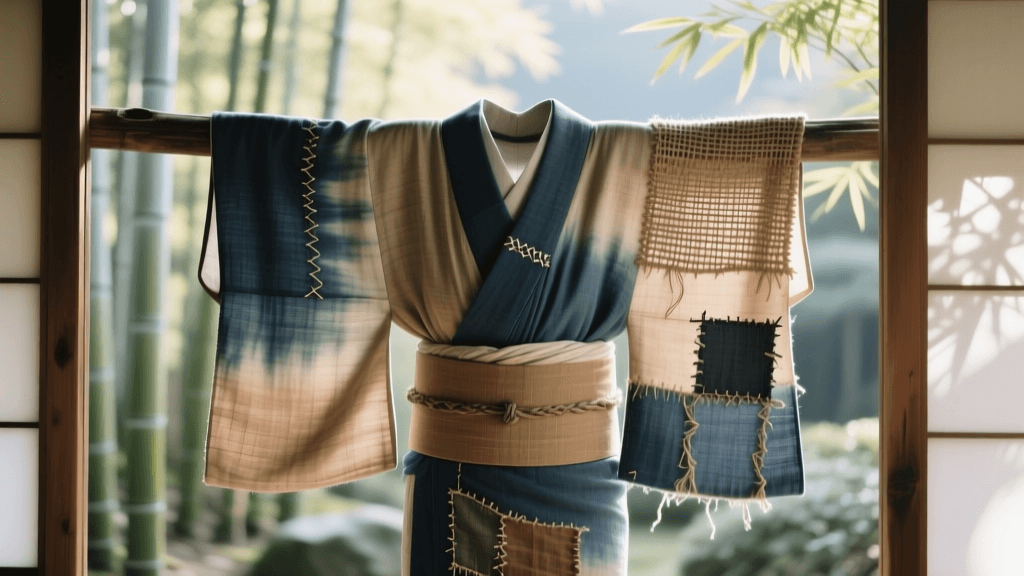
| Sashiko | Functional reinforcement stitching; geometric running stitch patterns on indigo cotton. | Adapted into luxury denim and quilted leather outerwear, emphasizing visible, decorative mending. |
From Kyoto Artisans to Parisian Maisons
A critical development in 2026 is the shift from cultural appropriation to genuine, compensated collaboration. The landmark Victoria and Albert Museum exhibition, 'Kimono: Kyoto to Catwalk', laid the historical groundwork for understanding the garment's global journey. Today, that journey has evolved into direct economic partnerships. European luxury conglomerates are now officially sponsoring multi-generational weaving families in Kyoto’s Nishijin district.
Rather than attempting to replicate these complex textiles in European factories, fashion houses are commissioning limited-run fabric bolts directly from Japanese artisans. This not only ensures authenticity but also injects vital capital into a shrinking artisanal sector. For the 2026 season, several high-profile runway shows featured live demonstrations of Yuzen dyeing in the front-row VIP areas, bridging the gap between the atelier and the runway, and educating the global press on the immense labor hours required for a single garment.
How to Translate Runway Kimono Trends to Everyday Wear
While the avant-garde proportions of the runway are rarely practical for daily life, the core elements of kimono styling can be seamlessly integrated into a contemporary 2026 wardrobe. Here is how to adopt these Asian traditions with sophistication and respect.
1. The Obi-Inspired Wide Belt
The obi is the sash used to secure a kimono, and on the 2026 runways, it has been reimagined as a tool for dramatic waist-cinching. To translate this, invest in a structured, 12-to-15-centimeter wide leather or brocade belt. Wear it over an oversized, unstructured blazer or a fluid, midi-length trench coat. This creates the iconic kimono hourglass silhouette while maintaining a modern, professional edge. Avoid cheap, costume-like satin sashes; opt for rigid materials that hold their architectural shape.
2. T-Shaped Wrap Outerwear
Swap your traditional tailored wool coat for a T-shaped wrap coat featuring wide, dropped sleeves and a shawl collar. The key to pulling off this voluminous silhouette is proportion balancing. Because the outerwear is intentionally boxy and oversized, pair it with sleek, straight-leg trousers or tailored cigarette pants. Look for garments constructed from heavyweight silk blends or matte crepe, which mimic the drape of traditional kimono silk (chirimen) without the fragility.
3. Haori Layering
The haori is a traditional Japanese hip- or thigh-length jacket worn over a kimono. In 2026, the haori has replaced the standard cardigan or light duster in high-fashion street style. Choose a modern haori crafted from jacquard or subtle Shibori-dyed cotton. Wear it open over a simple turtleneck and wide-leg denim. The open front and side slits (miyatsukuchi) allow for fluid movement and effortless layering, making it a perfect transitional piece for spring and autumn.
Sourcing Authentic and Contemporary Pieces
For collectors and enthusiasts looking to purchase pieces that reflect these 2026 runway trends, the market is divided into two main categories: authentic vintage and contemporary artisanal.
- Vintage Silk Kimono and Haori: High-end vintage markets in Tokyo (such as those in Shimokitazawa and Koenji) and specialized online dealers offer pristine, mid-century silk garments. Expect to pay between $150 and $400 for a high-quality, unblemished vintage silk haori. These can be worn as-is or upcycled by bespoke tailors into modern outerwear.
- Contemporary Artisanal Brands: Modern Japanese brands like Yuiga and various Nishijin-ori lifestyle labels are creating everyday garments using traditional looms but with modern, washable silk blends. Prices for a contemporary Nishijin-woven jacket typically start around $800 and can exceed $2,500 for custom commissions.
- Obi Accessories: Vintage obi sashes are widely available and make incredible statement belts or wall art. A heavily embroidered, metallic-threaded Maru obi can be sourced for $80 to $250, offering an accessible entry point into luxury Japanese textiles.
Care and Maintenance of Heritage Textiles
Owning garments inspired by or constructed from traditional kimono textiles requires specialized care. Authentic silk chirimen and Nishijin brocades should never be machine washed or exposed to direct, prolonged sunlight, which will rapidly degrade the natural dyes. In 2026, the recommendation from textile conservators is to utilize professional, eco-friendly dry cleaning services that specialize in heritage garments. For storage, avoid wire hangers which distort the shoulder seams; instead, use padded, wide-shoulder hangers or store the garments flat, folded with acid-free tissue paper to prevent permanent creasing along the traditional fold lines.
The Future of Kimono in Global Fashion
As we move through 2026, the presence of the kimono on global runways signifies a maturing of the fashion industry's approach to cultural heritage. It is no longer about extracting exotic motifs for fleeting trends, but about studying the profound engineering, sustainability, and artistry inherent in Asian traditions. By embracing the zero-waste geometry of the T-shape and supporting the master weavers of Kyoto, the global fashion community is ensuring that the kimono continues to evolve, not as a relic of the past, but as a vital, living pillar of the future of haute couture.