Handcrafted Geta & Zori 2026: Craft & Fit Guide
The Resurgence of the Karan-Koron: Traditional Footwear in 2026
There is a distinct, rhythmic auditory signature to the streets of historic Kyoto and the festival lanes of Tokyo: the karan-koron of wooden geta striking stone. In 2026, traditional Japanese footwear has transcended its role as a mere sartorial accessory for kimono and yukata, emerging as a focal point of global sustainable fashion, Zen mindfulness practices, and heritage preservation. As international designers and cultural enthusiasts seek deeper connections to artisanal craftsmanship, the demand for bespoke, handcrafted geta and zori has reached a modern zenith.
Unlike mass-produced synthetic alternatives, authentic Japanese footwear represents a masterclass in ergonomic design, natural material sourcing, and sensory grounding. This comprehensive guide explores the intricate craft of geta and zori, detailing the anatomy, materials, precise fitting rules, and care instructions necessary for navigating the 2026 market as an informed collector or practitioner.
The Anatomy of Heritage: Dai, Ha, and Hanao
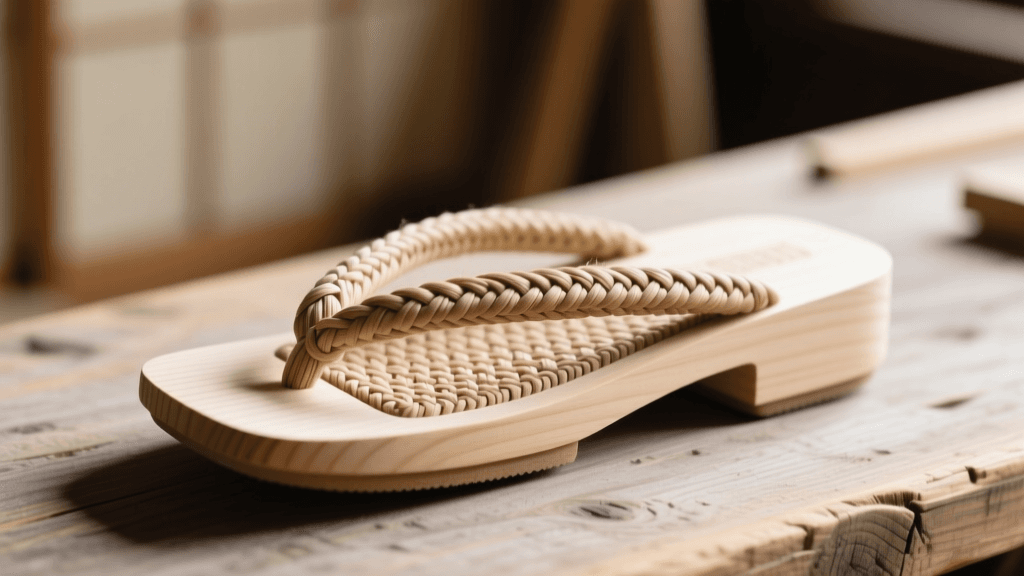
To appreciate the craftsmanship, one must first understand the structural vocabulary of traditional Japanese footwear. Whether elevated or flat, the construction relies on three primary components:
- Dai (Base): The main body of the footwear. In geta, this is a solid block of carved wood; in zori, it is a tightly woven or layered platform of rushes, bamboo, or leather.
- Ha (Teeth): The elevated supports found exclusively on geta. Traditional geta feature two teeth (though single-tooth tengu-geta exist for specific performance arts), which elevate the wearer above wet streets and snow, historically keeping the hem of expensive silk garments pristine.
- Hanao (Thongs/Straps): The Y-shaped straps that secure the foot. The hanao passes through three holes drilled into the dai and is knotted securely beneath. The craftsmanship of the hanao is a specialized art form, often utilizing velvet, silk, leather, or modern eco-textiles.
Material Sourcing and Craftsmanship in 2026
The soul of a premium geta lies in its wood. The undisputed gold standard is Kiri (Paulownia tomentosa). Kiri is exceptionally lightweight, highly resistant to moisture and rot, and possesses a natural acoustic resonance that creates the beloved karan-koron sound. In 2026, sustainable forestry initiatives in Japan's Tohoku and Hida-Takayama regions have ensured that premium Kiri is harvested using strict cyclical replanting methods, aligning heritage craft with modern ecological standards.
For zori, the base materials have evolved. While traditional igusa (rush grass) remains popular for summer wear, 2026 has seen a surge in zori crafted from upcycled silk blends, cork, and ethically sourced rattan. The hanao straps are where artisans express the most creativity. Bespoke workshops in Tokyo's Asakusa district now offer hanao woven with metallic threads, sustainable organic cottons, and vegan leathers that mimic the texture of historical deerskin, catering to a diverse, international clientele.
The Golden Rule of Sizing and Fit
The most common mistake Western buyers make when purchasing Japanese footwear is applying Western sizing logic. Western shoes are designed to enclose and protect the entire foot, requiring a snug fit. Japanese geta and zori function as platforms.
The 1-2 Centimeter Rule: When standing in properly fitted geta or zori, your heel must overhang the back edge of the dai by approximately 1 to 2 centimeters.
This is not a flaw; it is a deliberate ergonomic and aesthetic necessity. If the base is too long and flush with your heel, the back edge will catch on the hem of your kimono or yukata, causing tripping and fabric damage. Furthermore, the overhang encourages a specific center of gravity, forcing the wearer to engage their core and walk with a mindful, gliding stride known as suriashi.
2026 Footwear Comparison Chart
| Footwear Type | Base Material | Elevation | Best Use Case (2026) | Price Range (JPY) |
|---|---|---|---|---|
| Kiri Geta | Paulownia Wood | High (2-5 cm teeth) | Festivals, Yukata, Rain | 15,000 - 45,000 |
| Igusa Zori | Woven Rush Grass | Flat (1-2 cm) | Summer Kimono, Tea Ceremony | 8,000 - 20,000 |
| Setta | Leather/Rush/Bamboo | Flat with heel cap | Men's Formal, Martial Arts | 18,000 - 55,000 |
| Ukon-Geta | Lacquered Wood | Low (No distinct teeth) | Formal Evening Wear | 30,000 - 80,000+ |
Zen Spirituality and the Sensory Walk
Beyond their physical construction, geta and zori are deeply intertwined with Zen spirituality and the sensory experience of movement. Walking in wooden clogs requires absolute presence. The rigid wooden base transmits the texture of the earth directly to the soles of the feet, creating a grounding effect that modern rubber-soled shoes completely insulate us from.
Practitioners of Zen walking meditation (kinhin) often utilize flat zori or low-profile geta to maintain a physical connection to the temple grounds. The audible feedback of the wood striking the stone serves as an auditory anchor, pulling the mind away from abstract anxieties and anchoring it in the immediate physical reality of the present step. In 2026, wellness retreats across Japan have integrated 'geta walking' into their mindfulness itineraries, recognizing the biomechanical benefits of the footwear, which naturally promotes a forefoot strike and strengthens the calves and stabilizing muscles of the ankle.
Preservation and the 2026 Artisan Landscape
The survival of traditional Japanese footwear craft is a testament to aggressive preservation efforts. The aging population of master woodcarvers and hanao weavers posed a severe threat to the industry over the last decade. However, collaborative initiatives supported by Japan's Ministry of Economy, Trade and Industry (METI) have successfully integrated traditional footwear making into the official Traditional Craft Products designation, providing subsidies for apprenticeships.
Furthermore, organizations like the Japan Kogei Association have been instrumental in elevating footwear artisans to the status of recognized fine artists, rather than mere utilitarian cobblers. In 2026, young artisans are blending ancestral carving techniques with 3D foot-scanning technology to create bespoke dai that perfectly match the unique arch and pressure points of international clients, ensuring the craft remains economically viable and globally relevant.
Care, Maintenance, and Hanao Replacement
Authentic geta and zori are not disposable fast-fashion items; they are heirloom pieces that require specific care to endure.
- Wood Care: Kiri wood is naturally porous. Never submerge geta in water. After walking in humid conditions, wipe the dai with a dry, soft cotton cloth and allow them to air dry in a shaded, well-ventilated area. Direct sunlight can cause the wood to warp or crack.
- Hanao Tightening: Over time, the fabric of the hanao will stretch, and the knots beneath the dai may loosen. Specialized shops in districts like Kyoto's Higashiyama or Tokyo's Asakusa offer hanao-suge (strap replacement and tightening) services. A high-quality velvet hanao can be replaced for approximately 4,000 to 8,000 JPY in 2026, breathing entirely new life into an older wooden base.
- Teeth Maintenance: The ha (teeth) of geta will naturally wear down unevenly depending on your gait. Master craftsmen can shave and re-level the teeth, or attach replaceable polyurethane caps for those who frequently walk on abrasive modern asphalt.
Buying Guide: Navigating the 2026 Market
When investing in handcrafted Japanese footwear in 2026, provenance and material transparency are paramount. Avoid mass-market souvenir shops that sell MDF (medium-density fiberboard) painted to look like Kiri. True Kiri wood features a distinct, beautiful grain and is remarkably light to lift.
For the ultimate bespoke experience, travelers should visit specialized geta-ya (clogs shops) where the artisan will measure your foot length, arch height, and preferred hanao fabric. The process of carving the dai, drilling the precise angles for the hanao holes (which dictate the pitch and comfort of the sandal), and threading the straps takes several weeks. Expect to invest between 25,000 and 60,000 JPY for a fully bespoke, hand-finished pair of Kiri geta with premium silk or velvet hanao. This investment secures not just a piece of footwear, but a wearable sculpture of Japanese heritage, designed to ground your steps and elevate your sartorial presence for decades to come.