Sustainable Japanese Natural Dye Plants & Eco Methods 2026
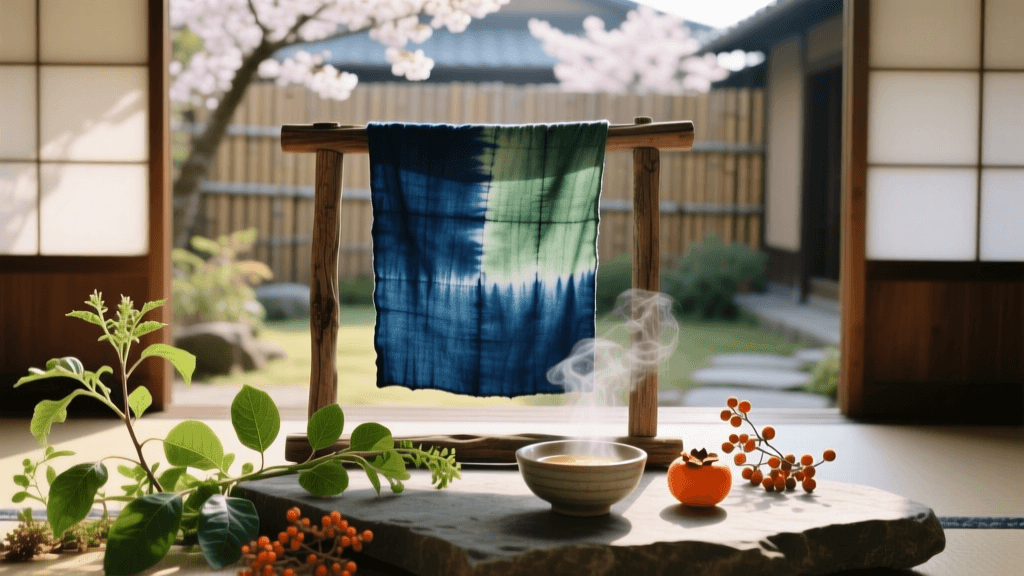
The Renaissance of Kusaki-Zome in 2026
In 2026, the global fashion and textile industries have fully embraced circularity, pushing traditional craft techniques into the spotlight. Among the most celebrated of these is Kusaki-zome, the ancient Japanese art of plant-based dyeing. However, as the demand for natural dyes surges, artisans and eco-conscious designers are recognizing that 'natural' does not automatically mean 'sustainable.' The cultivation of dye plants, the water-intensive extraction processes, and the use of heavy metal mordants have historically posed environmental challenges. Today, a new wave of Japanese artisans and international textile scientists are pioneering eco-friendly methods that honor tradition while strictly adhering to modern sustainability metrics.
According to the Ellen MacArthur Foundation, the transition toward regenerative textile systems requires a holistic approach to raw materials. Japanese natural dye plants, when grown using regenerative agriculture and processed in closed-loop water systems, offer a blueprint for zero-waste textile coloration. This guide explores the most prominent Japanese dye plants, the sustainable methodologies defining 2026, and actionable techniques for integrating these practices into modern garment creation.
Top Japanese Natural Dye Plants for Sustainable Textiles
Ai (Japanese Indigo - Persicaria tinctoria)
Unlike tropical indigo species, Ai is a temperate plant that thrives in the humid, river-rich environments of Tokushima Prefecture. The traditional process involves fermenting the leaves into sukumo (indigo compost) over 90 days. In 2026, sustainable Ai farming cooperatives have eliminated synthetic fertilizers, relying instead on companion planting and organic compost to enrich the soil. The resulting indigo vat is a living ecosystem of bacteria that reduces the indigotin pigment, allowing it to bond with cellulose fibers without the need for any chemical mordants. This inherent colorfastness and zero-mordant requirement make Ai one of the most environmentally benign blue dyes available.
Kakishibu (Persimmon Tannin)
Extracted from unripe Diospyros kaki (Japanese persimmon) fruits, Kakishibu is a powerhouse of natural chemistry. The juice is fermented and aged for up to three years, developing a high concentration of tannins. When applied to cotton, hemp, or silk and exposed to ultraviolet light, the tannins polymerize, creating a waterproof, insect-repellent, and incredibly durable brownish-rust coating. Because the tannin acts as both the dye and the binder, Kakishibu requires absolutely no mordanting agents, drastically reducing the chemical load and water pollution associated with textile processing.
Akane (Japanese Madder - Rubia argyi)
Akane yields a spectrum of reds, from pale salmon to deep crimson, derived from the alizarin and purpurin compounds in its roots. Historically, Akane required alum or tin mordants to fix the dye. In 2026, eco-conscious dyers have shifted to bio-mordants and symplocos (an aluminum-accumulating plant) to achieve vibrant reds without mining heavy metals. The roots are typically harvested after three years of growth, and modern sustainable farms in Kyoto now practice partial root harvesting, allowing the plant to regenerate and sequester carbon continuously.
Kariyasu (Japanese Weld - Carex kobomugi / Miscanthus tinctorius)
Often translated as Japanese weld or silvergrass, Kariyasu provides brilliant, lightfast yellows. The Food and Agriculture Organization notes that grass-based dyes like Kariyasu are highly renewable due to their rapid growth cycles and low water requirements compared to shrub-based dyes. When paired with eco-friendly soy milk pre-treatments, Kariyasu yields vibrant, sun-fast yellows that rival synthetic alternatives.
Eco-Friendly Methods: Beyond the Plant
Bio-Mordants vs. Heavy Metals
Traditional dyeing often relies on alum (potassium aluminum sulfate), copper, or chrome to fix colors to fibers. While alum is relatively safe in small quantities, industrial-scale dumping can alter soil pH and contaminate waterways. The 2026 standard for sustainable Kusaki-zome utilizes bio-mordants. Soy milk is widely used to coat cellulose fibers (like cotton and hemp) with plant proteins, giving the natural dyes an amino group to bond with. Oak galls and pomegranate rinds provide natural tannins that act as a bridge between the fiber and the dye. For artisans requiring aluminum, Symplocos leaves are boiled to extract naturally occurring bio-aluminum, entirely bypassing mined mineral salts.
Closed-Loop Water Systems and Greywater Filtration
Dyeing is inherently water-intensive. A major breakthrough in 2026 is the widespread adoption of micro-filtration and bio-remediation systems in artisanal studios. Instead of discharging spent dye baths into municipal drains, modern studios pass the water through biochar and mycelium filters. These organic filters strip residual tannins and pigments, allowing the water to be reused for the next extraction batch or safely returned to local agricultural irrigation systems. This closed-loop approach reduces freshwater consumption by up to 70% compared to traditional open-vat methods.
Step-by-Step: Zero-Waste Kakishibu Dyeing
Kakishibu is the ultimate entry point for sustainable, low-impact dyeing. Here is a precise, eco-friendly methodology for treating 100 grams of organic cotton canvas.
- Preparation: Scour the cotton by simmering it in a solution of water and 5 grams of natural soap nut (Sapindus mukorossi) extract for 45 minutes. Rinse with cold water. Do not use synthetic detergents, as they leave optical brighteners that block tannin absorption.
- The Dye Bath: Mix 50ml of aged, triple-fermented Kakishibu extract with 2 liters of room-temperature filtered water. Submerge the damp cotton and massage it gently for 20 minutes to ensure even penetration.
- UV Oxidation: Wring out the fabric gently and hang it in direct sunlight. The UV rays trigger a chemical reaction that polymerizes the tannins, turning the fabric from a pale yellow-green to a deep, rich brown. Leave it in the sun for 4 hours.
- Curing: Rinse the fabric in cold water and hang it to dry in the shade. For maximum water resistance and color depth, repeat the dip-and-sun process three times over consecutive days. The fabric will continue to darken and cure for up to six months post-dyeing.
2026 Sustainability Comparison Chart
The following table compares the environmental and practical metrics of major Japanese dye plants based on 2026 artisanal studio data and Victoria and Albert Museum textile conservation research.
| Plant (Japanese) | Botanical Name | Eco-Mordant (2026 Standard) | Water Footprint (per kg fabric) | UV Resistance | Eco-Rating |
|---|---|---|---|---|---|
| Ai (Indigo) | Persicaria tinctoria | None (Vat reduction) | 15 Liters (Closed-loop) | Excellent | ★★★★★ |
| Kakishibu | Diospyros kaki | None (Self-binding tannin) | 5 Liters (No heating) | Excellent | ★★★★★ |
| Akane (Madder) | Rubia argyi | Symplocos / Soy Milk | 40 Liters (Heated extraction) | Good | ★★★★☆ |
| Kariyasu | Miscanthus tinctorius | Soy Milk / Oak Gall | 25 Liters | Very Good | ★★★★☆ |
Sourcing and Economics in 2026
The economics of natural dyes have shifted significantly. While synthetic dyes remain cheaper upfront, the 2026 implementation of stricter global wastewater taxation has narrowed the gap, making natural, closed-loop dyeing economically viable for mid-scale fashion brands. For independent artisans and designers, sourcing high-quality, ethically harvested extracts is easier than ever.
As of early 2026, a liter of artisanal, triple-aged Kakishibu from Wakayama prefecture retails for approximately ¥4,500 ($30 USD). Premium Tokushima sukumo (indigo compost) is priced around ¥8,000 ($53 USD) per kilogram, reflecting the intensive 90-day manual labor required by the ai-shi (indigo masters). When calculating the cost per garment, a standard 200-gram cotton yukata requires roughly ¥1,200 ($8 USD) worth of Kakishibu extract, a premium that is easily absorbed by the growing consumer demographic willing to pay for verifiable, eco-friendly heritage crafts.
Conclusion
The integration of Japanese natural dye plants into modern, sustainable fashion is no longer a niche experiment; it is a vital component of the 2026 circular textile economy. By combining ancient botanical knowledge—like the self-binding tannins of Kakishibu and the bacterial reduction of Ai—with modern bio-mordants and closed-loop water filtration, artisans are proving that heritage and ecology can seamlessly coexist. Whether you are a fashion designer seeking to reduce your brand's chemical footprint or a hobbyist looking to connect with nature through textile arts, embracing these eco-friendly Kusaki-zome methods ensures that the colors you wear leave a lasting impression on the culture, but not on the planet.