Modern Hanfu Revival: A Practical Buying and Styling Guide
The Cultural Renaissance of the Hanfu Yundong
The modern Hanfu revival movement, widely known as the Hanfu Yundong, is far more than a fleeting fashion trend. It is a profound cultural renaissance that has swept across China and the global diaspora over the last two decades. What began in the early 2000s as a niche interest among university students and internet forum enthusiasts has blossomed into a mainstream lifestyle movement. Today, millions of young people proudly wear traditional Han Chinese clothing in their daily lives, during festivals, and while traveling, reclaiming a sartorial heritage that was largely lost during the Qing Dynasty and the mid-20th century.
As noted by cultural commentators at Sixth Tone, the movement has evolved from grassroots historical reenactments into a massive commercial and cultural force. For beginners, stepping into the world of Hanfu can feel overwhelming due to the sheer variety of historical eras, complex layering systems, and specialized terminology. This practical guide is designed to demystify the buying process, help you choose the right dynasty style for your lifestyle, and provide actionable advice on measurements and styling.
'Hanfu is not merely a costume for photography; it is a wearable, living connection to our ancestral heritage and a celebration of traditional Chinese aesthetics in the modern world.'
Choosing Your Era: A Dynasty Comparison Guide
Hanfu encompasses thousands of years of history, but the modern revival primarily focuses on three distinct golden eras: the Tang, Song, and Ming dynasties. Each era offers a completely different silhouette, fabric choice, and overall vibe. Understanding these differences is crucial before making your first purchase.
| Dynasty Style | Silhouette & Vibe | Best Season | Average Cost (USD) | Recommended Brand |
|---|---|---|---|---|
| Tang (Qixiong Ruqun) | High-waisted, flowing, romantic | Summer | $40 - $90 | Shi San Yu |
| Song (Beizi & Baidie) | Slender, elegant, minimalist | Spring / Autumn | $50 - $120 | Lan Ruo Tang |
| Ming (Aoqun & Mamianqun) | Structured, regal, heavily layered | Winter / Autumn | $80 - $250 | Han Shang Hua Tang |
Tang Dynasty: The Qixiong Ruqun
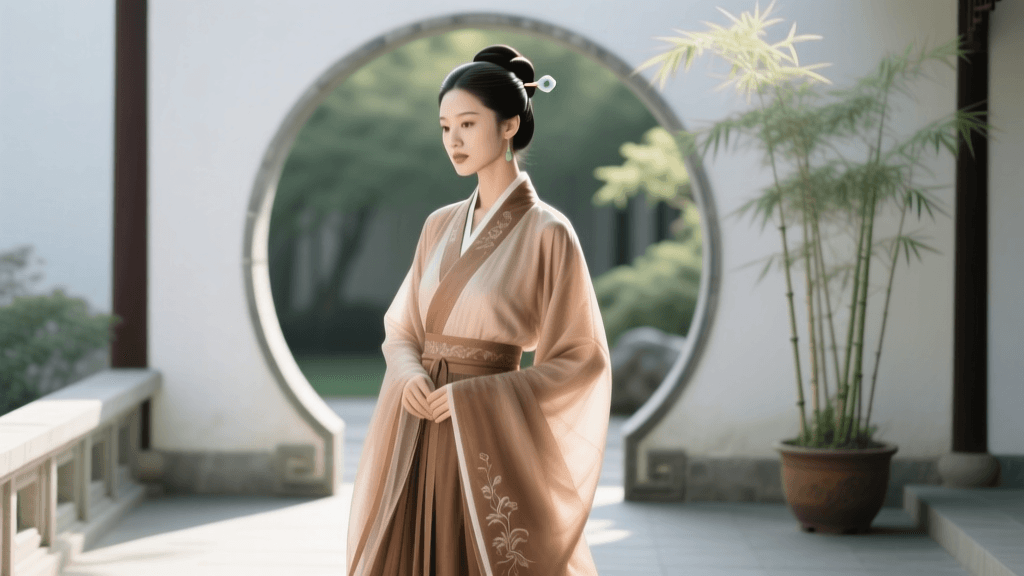
The Tang Dynasty (618–907 AD) represents a period of immense wealth, cosmopolitan influence, and bold aesthetics. The most iconic garment from this era is the Qixiong Ruqun, a chest-high tie skirt paired with a short, wide-sleeved top. This style is incredibly flattering, as the high waistline elongates the legs, and the flowing fabrics create a romantic, ethereal silhouette. It is the perfect entry-level Hanfu for summer wear, vacations, and photography. However, because the skirt ties above the bust, beginners often struggle with keeping it secure; investing in a modern silicone strap or a textured inner layer is highly recommended.
Song Dynasty: Minimalist Elegance
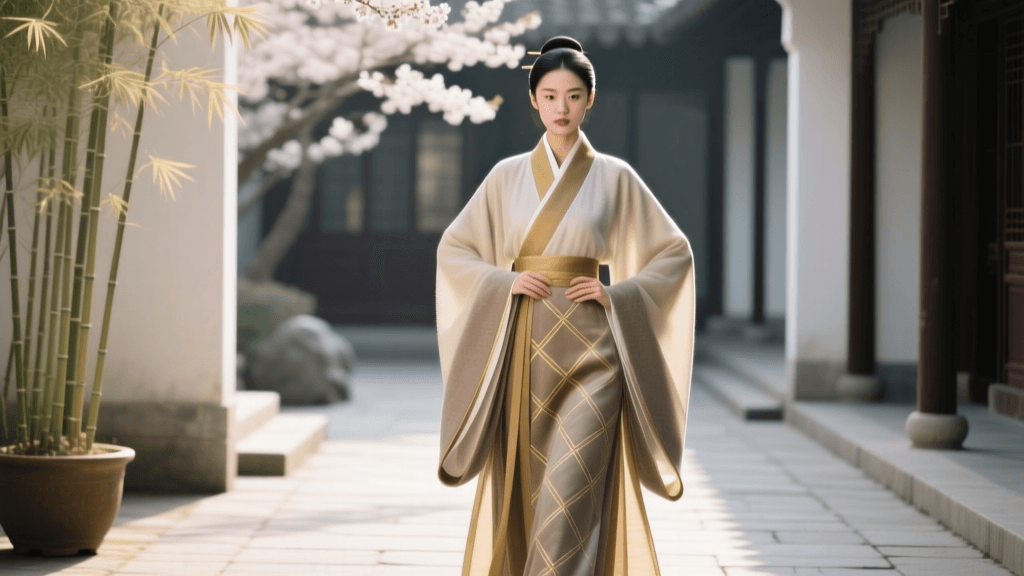
Shifting away from the opulence of the Tang, the Song Dynasty (960–1279 AD) favored understated elegance, slender silhouettes, and refined craftsmanship. The quintessential Song outfit features a Beizi (a long, open-front jacket with straight sleeves) worn over a camisole and a Baidie (hundred-pleat skirt). This style is exceptionally practical for modern daily wear. The long Beizi functions similarly to a modern duster cardigan or trench coat, making it easy to layer over contemporary clothing. According to market analyses covered by RADII China, Song-style Hanfu has seen a massive surge in popularity among urban professionals who want to incorporate traditional elements into their office-appropriate wardrobes without looking overly theatrical.
Ming Dynasty: Structured Majesty
The Ming Dynasty (1368–1644 AD) offers the most structured, regal, and heavily layered Hanfu styles. The crown jewel of this era is the Mamianqun, or 'horse-face skirt,' characterized by its flat front and back panels with deep, overlapping side pleats. It is typically paired with an Ao (a lined, long-sleeved jacket with a mandarin or standing collar). Ming dynasty garments often feature intricate woven patterns, metallic threads, and heavy brocades. While more expensive and heavier to wear, the Mamianqun has become a viral fashion staple, frequently paired with modern white button-down shirts and blazers by Gen Z consumers blending heritage with modern streetwear, as highlighted by the South China Morning Post.
Navigating the Market: Taobao, Brands, and Budgets
The epicenter of the Hanfu market is Taobao, China's largest e-commerce platform. While international buyers can use proxy shopping services like Superbuy or Wegobuy, understanding the market structure is vital for budgeting and timing.
- Spot Goods (Xianhuo): These are in-stock items that ship immediately. They are ideal for beginners but often sell out quickly in popular sizes.
- Pre-Orders (Yushou): The Hanfu industry relies heavily on a deposit-based pre-order system. Brands release 3D renders or samples, and buyers pay a non-refundable deposit (usually $10–$20). The manufacturing process takes 1 to 3 months, after which the buyer pays the final balance before shipping. This model reduces waste and allows for high-end embroidery at lower prices.
- Brand Tiers: Entry-level brands like Shi San Yu offer beginner-friendly, budget-conscious sets ($30–$60). Mid-tier brands like Zhong Ling and Lan Ruo Tang focus on historical accuracy and better fabrics ($80–$150). High-end brands like Ming Hua Tang specialize in museum-grade Ming dynasty reproductions using real silk and gold threads, with single skirts costing upwards of $300.
The Crucial Step: How to Measure for Hanfu
Unlike Western clothing, which relies heavily on bust, waist, and hip measurements, Hanfu sizing is fundamentally different due to its flat-pattern cutting and generous, flowing constructions. Most brands offer standard sizes (S, M, L, XL) based primarily on height and weight, but custom or mid-tier brands require specific metrics.
Use a soft measuring tape and record the following in centimeters:
- Height and Weight: The baseline for standard sizing charts. Skirt length is strictly tied to height to ensure the hem grazes the ankle correctly without dragging.
- Bust and Waist: Measured at the widest points. For Tang dynasty chest-high skirts, your upper bust (measured just above the breasts) is crucial to prevent the skirt from slipping down.
- Arm Span (Tongxiu): This is the most unique and important Hanfu measurement. Measure from the tip of one middle finger, across the back of the neck, to the tip of the other middle finger. Traditional sleeves are cut as a single continuous piece of fabric with the shoulder. If your arm span exceeds the brand's standard, the sleeves will ride up and expose your wrists, breaking the traditional silhouette.
- Skirt Length Preference: Measure from your natural waist (or chest, for Tang styles) down to your desired hemline, typically 2-3 cm above the floor when wearing your traditional shoes.
Essential Undergarments and Accessories
A common mistake beginners make is buying the outer layers without accounting for the foundational garments. Hanfu is a layered system, and the undergarments dictate the final shape and opacity of the outfit.
- Zhongyi (Inner Layer): A lightweight, usually white cotton or silk inner top and bottom. It protects the expensive outer silk layers from sweat and oils while providing a modest peek of white at the collar and cuffs.
- Moxiong (Tube Top): Essential for Tang dynasty Qixiong Ruqun or Song dynasty Beizi outfits. It provides necessary coverage and a secure base for tying the high-waisted skirts.
- Footwear: Traditional Xiuhe shoes (embroidered cloth shoes with upturned toes) or modern cloud-toe shoes are ideal. For Ming dynasty Mamianqun, many modern wearers opt for leather Mary Janes or ankle boots to bridge the gap between historical and contemporary fashion.
- Hair and Headwear: A traditional updo is expected to balance the voluminous clothing. Invest in a set of wooden or resin hair sticks (Zanzi), a Guan (crown) for Ming styles, or simple silk ribbon ties for Song styles. Avoid leaving hair completely down and unstyled, as it clashes with the historical aesthetic.
Conclusion: Wearing Heritage with Confidence
Participating in the Hanfu revival movement is a deeply rewarding journey that connects you to centuries of artistry, philosophy, and craftsmanship. By understanding the distinct characteristics of the Tang, Song, and Ming dynasties, mastering the unique measurement requirements, and navigating the pre-order market, you can build a high-quality, historically respectful wardrobe. Whether you are wearing a flowing Tang Ruqun for a summer garden stroll or a structured Ming Mamianqun to a modern corporate event, Hanfu proves that traditional Asian garments are not relics of the past, but vibrant, evolving expressions of identity in the modern world.