Modern Hanbok Trends in 2026 Global Fashion Media Runways
The Intersection of Heritage and Haute Couture in 2026
The global fashion landscape in 2026 is defined by a profound reverence for cultural heritage, reinterpreted through the lens of modern structuralism. Among the most prominent traditional garments capturing the attention of global fashion media—from the glossy pages of Vogue and Harper's Bazaar to the digital runways of Paris and Milan—is the Korean hanbok. Once reserved primarily for ceremonial occasions and historical dramas, the hanbok has been radically deconstructed and reimagined by contemporary designers. Today, its distinctive silhouettes, vibrant color palettes, and unique architectural lines are a dominant force in high fashion editorials and red-carpet styling worldwide.
This surge in media coverage is not merely a fleeting trend; it represents a sophisticated dialogue between traditional Asian craftsmanship and Western tailoring techniques. As global fashion houses and emerging Korean designers collaborate, the hanbok has transcended its regional origins to become a universal symbol of avant-garde elegance. In this comprehensive guide, we explore how the hanbok is being styled, constructed, and celebrated in 2026 global fashion media, providing actionable insights for stylists, designers, and cultural enthusiasts.
The Evolution of the Hanbok in High Fashion Editorials
Over the past decade, the hanbok has transitioned from a niche cultural artifact to a mainstream fashion staple. However, the 2026 fashion cycle marks a distinct evolution. Rather than simply appropriating the visual motifs of the hanbok, contemporary media and designers are focusing on its underlying architecture. The traditional hanbok is celebrated for its three-dimensional volume and its ability to create a dynamic silhouette that moves fluidly with the wearer.
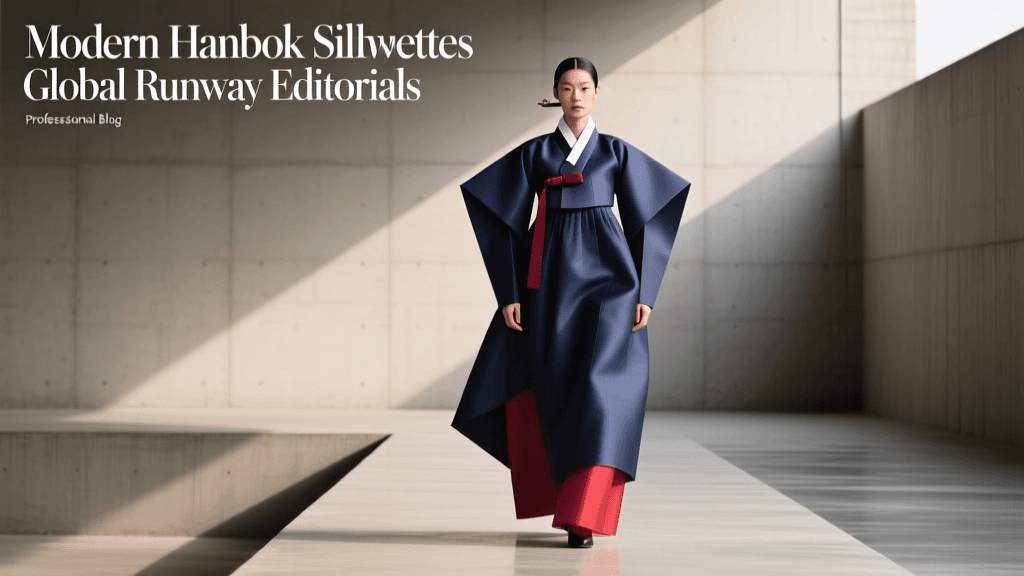
In recent 2026 editorial spreads, fashion directors are highlighting the contrast between the rigid, structured upper body and the expansive, flowing lower body. This juxtaposition aligns perfectly with the current global appetite for dramatic, sculptural fashion. Leading fashion publications are frequently featuring models in modernized hanbok ensembles that utilize unconventional materials like recycled silk organza, metallic jacquards, and even 3D-printed lace, bridging the gap between ancient techniques and futuristic textiles.
Key Hanbok Elements Dominating 2026 Runways
To understand the hanbok's impact on current fashion media, one must dissect its core components and observe how they are being manipulated for the modern runway.
The Jeogori (Jacket)
Traditionally, the jeogori is a short, cropped jacket with long, straight sleeves and a flat silhouette. In 2026 global fashion media, the jeogori has been heavily tailored. Designers are introducing corsetry, padded shoulders, and asymmetrical closures. The hemline is often cropped to exactly 14 or 16 inches from the shoulder seam to accentuate the waist, creating a sharp, architectural silhouette that pairs seamlessly with high-waisted Western trousers or voluminous skirts.
The Chima (Skirt)
The chima is the voluminous, high-waisted skirt that provides the hanbok with its iconic bell shape. On the 2026 runways, the chima is being exaggerated to theatrical proportions. Stylists are layering stiff tulle beneath silk faille to maintain a rigid, dome-like structure that defies gravity. Alternatively, some editorials feature deconstructed chimas with asymmetrical hems and thigh-high slits, introducing a sense of modern rebellion to the traditional modesty of the garment.
The Goreum (Ribbons)
Historically, the goreum serves as the functional front tie that secures the jeogori. In contemporary high fashion, the goreum has been transformed into a statement accessory. In recent 2026 campaigns, we see oversized, trailing sashes that act as dramatic belts, or intricate, knotted neckpieces that replace traditional jewelry. The goreum is now a focal point of styling, often rendered in contrasting colors or embellished with pearl and crystal detailing.
Data Table: Traditional vs. 2026 Media-Adapted Hanbok
The following table illustrates the structural and material shifts in the hanbok as it transitions from traditional ceremonial wear to the subject of 2026 global fashion editorials.
| Garment Element | Traditional Construction | 2026 Media & Runway Adaptation |
|---|---|---|
| Jeogori (Jacket) | Flat, straight sleeves, ties at the front, relaxed fit | Corseted bodice, structured shoulders, cropped hem, hidden closures |
| Chima (Skirt) | High-waisted, wrapped, A-line silhouette, natural drape | Voluminous bell-shape, layered tulle, asymmetrical hems, stiff organza |
| Goreum (Ribbons) | Functional front tie, modest length, matching fabric | Oversized statement bows, trailing sashes, belt integration, mixed textures |
| Textiles | Silk, ramie, hemp, natural plant dyes | Recycled organza, metallic jacquards, 3D-printed lace, cupro blends |
| Color Palette | Obangsaek (five traditional colors), symbolic meanings | Monochromatic schemes, neon accents, digital prints, ombré effects |
How Global Media is Styling the Modern Hanbok in 2026
For fashion stylists and enthusiasts looking to incorporate hanbok elements into contemporary wardrobes or editorial shoots, the 2026 media landscape offers several actionable styling frameworks.
- The Streetwear Hybrid: Pair a structured, cropped modern jeogori with high-waisted, wide-leg wool trousers and chunky, architectural footwear. This grounds the traditional top in urban utility, a look heavily featured in recent street-style photography from Seoul and Tokyo fashion weeks.
- The Red-Carpet Chima: Replace the traditional evening gown with a floor-length, heavily structured chima paired with a minimalist, sleeveless silk top. The volume of the skirt provides the necessary drama for red-carpet photography while maintaining a sleek, modern upper profile.
- Accessory Integration: Utilize the goreum as a hair accessory or a bag strap. Braiding oversized silk ribbons into updos or wrapping them around the handles of structured leather handbags adds a subtle, culturally resonant touch to Western silhouettes.
- Footwear Pairings: While traditional kkotsin (embroidered shoes) are beautiful, 2026 editorials favor pairing modern hanbok with pointed-toe mules, sculptural heels, or even high-end minimalist sneakers to emphasize the fusion of eras.
Sourcing Authentic and Modern Hanbok Pieces in 2026
Acquiring high-quality, modern hanbok pieces requires navigating a diverse market. Whether you are sourcing for an editorial shoot, a red-carpet event, or personal wear, understanding the pricing and lead times is crucial.
Pricing Tiers and Sourcing Channels
- Contemporary Ready-to-Wear ($300 - $800): Brands based in Seoul's Bukchon and Ikseon-dong neighborhoods offer modernized, everyday hanbok pieces. These are ideal for street-style editorials and casual styling. Lead times are generally 2 to 4 weeks for international shipping.
- Bridal & Editorial Rental ($1,200 - $3,500): For high-volume chimas and heavily embellished jeogoris required for major magazine covers, renting from specialized Seoul-based couture houses is the most cost-effective route. Expect to book these pieces at least 8 weeks in advance of your 2026 shoot dates.
- Haute Couture & Bespoke ($8,000 - $25,000+): For red-carpet events or exclusive runway presentations, commissioning a bespoke piece from a master artisan is necessary. This process involves multiple fittings and requires a minimum lead time of 12 to 16 weeks. These pieces often feature hand-woven silk and traditional gold-leaf stamping (geumbak).
Cultural Discourse: Appreciation vs. Appropriation
As the hanbok's presence in global fashion media expands, so does the vital conversation surrounding cultural appreciation versus appropriation. In 2026, top-tier fashion houses are increasingly prioritizing collaboration with Korean artisans and historians to ensure respectful representation.
Understanding the historical and social significance of the garment is paramount. As documented in the National Folk Museum of Korea, the hanbok is deeply intertwined with Korean identity, social status, and philosophical views on nature and the universe. The colors, lines, and materials are not merely aesthetic choices; they carry centuries of cultural weight.
Furthermore, institutions like the Metropolitan Museum of Art provide extensive archives that highlight the historical accuracy and regional variations of Korean dress. Fashion media in 2026 is increasingly using these authoritative resources to educate their audiences, ensuring that when a hanbok-inspired silhouette graces a magazine cover, it is accompanied by context, credit, and respect for its origins. The most successful global campaigns this year are those that credit Korean designers by name and highlight the specific regional techniques utilized in the garment's construction.
Conclusion: The Enduring Legacy of the Hanbok
The integration of the hanbok into 2026 global fashion media is a testament to the garment's incredible versatility and timeless beauty. By respecting its traditional architecture while embracing modern textiles and tailoring, the global fashion industry has elevated the hanbok from a regional treasure to a universal icon of avant-garde style. For stylists, designers, and cultural advocates, the modern hanbok offers endless possibilities for creative expression, proving that true heritage is not static, but a living, evolving art form that continues to shape the future of global fashion.