Buying Authentic Kimono Online in 2026: Top Proxy Marketplaces
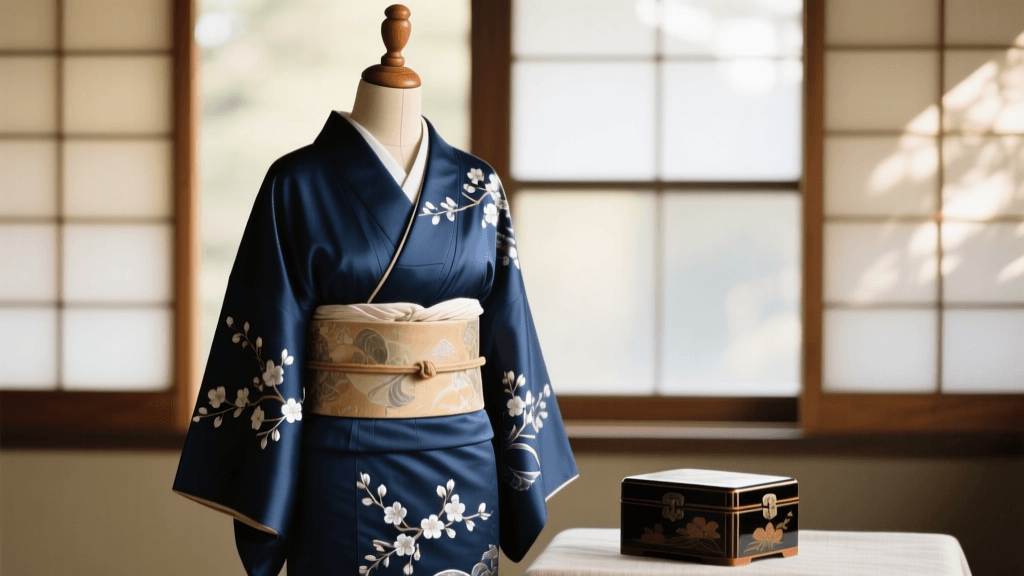
The 2026 Renaissance of Vintage Silk Kimono
The global fashion landscape in 2026 has firmly embraced circularity, heritage craftsmanship, and sustainable luxury. At the forefront of this movement is the surging international demand for authentic, vintage Japanese garments. Collectors, designers, and traditionalists are increasingly turning to the secondary market to acquire exquisite silk kimono, intricately woven obi, and rare haori jackets. However, the most prestigious, high-quality, and affordably priced pieces are rarely found on Western e-commerce platforms. Instead, they reside on Japanese domestic marketplaces like Yahoo! Auctions Japan, Mercari, and Rakuma.
For international buyers, accessing these domestic platforms requires the use of specialized proxy bidding and shopping services. Navigating these sites can be daunting due to language barriers, complex sizing metrics, and nuanced condition grading. This comprehensive guide will walk you through the best proxy marketplaces available in 2026, provide essential Japanese search terminology, and offer actionable advice on evaluating garment condition and navigating international shipping logistics.
Why Shop on Japanese Domestic Marketplaces?
While international resale sites offer convenience, they often come with steep markups, limited inventory, and a lack of detailed provenance. Japanese domestic platforms, by contrast, offer a virtually bottomless well of textile history. Because the cultural practice of passing down garments through generations has led to many Japanese households possessing more kimono than they can store, the secondary market is flooded with pristine, unworn vintage pieces.
Furthermore, shopping domestically ensures authenticity. The Japanese market is highly regulated regarding the sale of textiles, and sellers are meticulous about disclosing flaws, fabric content, and the specific era of the garment. Whether you are hunting for a Showa-era kurotomesode (black formal kimono with family crests) or a vibrant, hand-painted yuzen silk houmongi (visiting kimono), domestic auctions provide access to tens of thousands of listings that never make it to Western shores.
Top Proxy Services for Kimono Shopping in 2026
To purchase from Japanese-only sites, you must use a proxy service. These companies act as your local agent: you browse the Japanese sites through their translated interface, they purchase the item on your behalf, receive it at their Japanese warehouse, and then forward it to your international address. As of 2026, the proxy industry has matured significantly, with AI-driven translation and automated consolidation becoming the standard.
Below is a comparison of the top three proxy services favored by international kimono collectors this year:
| Feature | Buyee | Neokyo | ZenMarket |
|---|---|---|---|
| Best For | Beginners & Yahoo! Auctions integration | Hardcore collectors & Mercari/Rakuma | Budget-conscious buyers & low fees |
| 2026 Base Fee | Varies by campaign (often 0 yen on Mercari) | 250 JPY per item | 500 JPY per item |
| Warehouse Storage | 30 days free | 45 days free | 60 days free |
| Consolidation | Yes (Fee applies) | Yes (Highly customizable) | Yes (Free up to a limit) |
| AI Translation | Excellent (Integrated image text OCR) | Good (Manual requests available) | Moderate (Relies on browser plugins) |
| Payment Methods | Credit Card, PayPal, Crypto | Credit Card, PayPal, Wise | Credit Card, PayPal, Bank Transfer |
Expert Tip: If you are bidding on high-value antique silk (such as pre-WWII Oshima Tsumugi), Neokyo is often preferred by serious collectors in 2026 because their customer support team can manually contact sellers to request specific macro-photographs of the weave or lining, which automated systems sometimes miss.
Mastering Japanese Search Terminology
Relying solely on English keywords like "vintage silk kimono" will severely limit your search results. To unlock the true depth of Yahoo! Auctions and Mercari, you must use the correct Japanese terminology. Copy and paste these Kanji terms into your proxy's search bar:
- 正絹 (Shouken): Pure silk. This is the most critical keyword. Without it, you risk purchasing synthetic blends or modern polyester replicas.
- 訪問着 (Houmongi): Visiting kimono. Characterized by a continuous pattern (eba) that flows across the seams. Highly versatile and elegant.
- 付下げ (Tsukesage): A slightly less formal version of the Houmongi, where the pattern does not cross the seams. Excellent for tea ceremonies and semi-formal events.
- 絞り (Shibori): Traditional tie-dye technique. Highly prized for its intricate, three-dimensional textured patterns. Look for kanoko shibori (fawn spot tie-dye) for the most luxurious pieces.
- 袋帯 (Fukuro Obi): Formal brocade obi, patterned on one side. Essential for formal kimono styling.
- 名古屋帯 (Nagoya Obi): A pre-folded, easier-to-tie obi suited for semi-formal and casual wear.
- 羽織 (Haori): A traditional jacket worn over the kimono. Vintage haori are incredibly popular in 2026 for modern, cross-cultural styling as outerwear.
Decoding Sizing and Condition Reports
Unlike Western clothing, kimono are not sized by standard S/M/L metrics, nor are they tailored to fit the wearer's exact body shape upon purchase. Instead, they are wrapped and folded, with the fit adjusted during the dressing process (kitsuke). Understanding the flat measurements provided by Japanese sellers is crucial.
Key Measurements
- 身丈 (Mitake): The total back length of the kimono from the base of the collar to the hem. Ideally, this should match your height for a traditional fold at the waist (the ohashori).
- 裄丈 (Yuki): The sleeve span, measured from the center back seam to the edge of the sleeve. This determines how far the sleeve will extend down your arm.
- 袖丈 (Sodetake): The vertical depth of the sleeve. Unmarried women traditionally wear deep sleeves (furisode), while married women wear shallower sleeves.
Evaluating Condition
Japanese sellers use a specific grading scale for vintage textiles. Always read the condition notes carefully, as even "A-rank" garments may have minor, documented flaws.
S-Rank: Mint condition, often unworn with original basting threads (shitsuke) still intact.
A-Rank: Excellent condition, worn once or twice, no visible stains or structural damage.
B-Rank: Good condition, minor flaws such as slight discoloration on the lining or tiny, barely noticeable spots on the hem.
C-Rank: Fair condition, visible stains, tears, or heavy wear. Often purchased by designers for upcycling or cutting into fabric panels.
For more on the historical significance, preservation, and structural anatomy of these garments, the Victoria and Albert Museum's Asian Collections offers incredible digital archives and scholarly resources that can help you identify regional weaving styles and historical eras.
Navigating 2026 Shipping and Customs Logistics
Once your proxy service receives your garments, you must choose an international shipping method. In 2026, the logistics landscape for textiles has shifted. Due to dimensional weight pricing models, shipping multiple heavy silk kimono in a single box can sometimes trigger higher volumetric fees, even if the physical weight is low.
Most collectors rely on Japan Post EMS (Express Mail Service) for its balance of speed, reliable tracking, and favorable customs clearance rates. EMS typically delivers to North America and Europe within 5 to 10 business days. For high-value antique silk (items exceeding $1,000 USD), buyers are increasingly opting for DHL Express via their proxy, despite the higher cost, due to the enhanced security and climate-controlled transit options available for luxury textiles.
Customs Considerations: Be aware of your country's 2026 de minimis threshold (the value below which no duties or taxes are charged). In the European Union, the removal of the VAT exemption means all imported textiles are subject to taxation upon arrival, which your proxy will usually collect at checkout via the IOSS system. In the United States, the de minimis threshold remains relatively high at $800 USD, making it easier to import multiple vintage pieces duty-free, provided they are declared accurately as "Vintage Clothing / Used Textiles."
Final Thoughts on Building Your Collection
Building a collection of authentic vintage kimono is a deeply rewarding pursuit that connects you to centuries of Asian textile artistry. By leveraging Japanese domestic marketplaces through reliable proxy services, you bypass the inflated prices of Western boutiques and gain access to the true heart of the trade. Take your time to study the Kanji, familiarize yourself with the intricate weaving techniques documented by institutions like the Metropolitan Museum of Art's Asian Art Department, and always prioritize pure silk (shouken) to ensure your garments hold their historical and material value for decades to come.