Modern Hanbok Red Carpet and Editorial Trends 2026
The Hanbok Takes Center Stage in 2026 Global Fashion Media
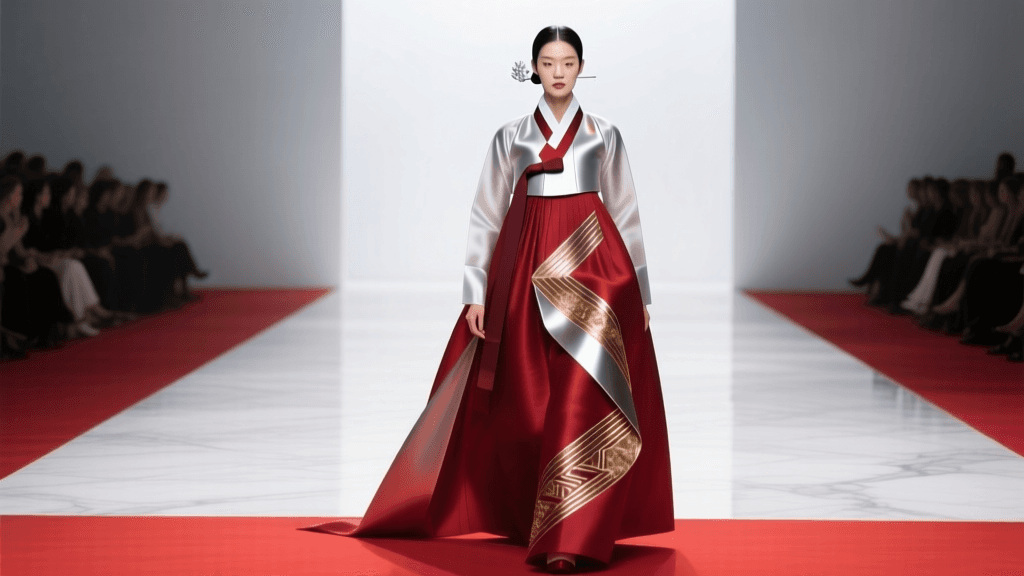
In 2026, the global fashion media landscape has unequivocally embraced the hanbok, transforming it from a traditional Korean garment into a staple of high-fashion editorials and international red carpets. No longer confined to historical dramas or cultural festivals, the modern hanbok is being reimagined by top-tier designers and featured in the pages of Vogue, Harper's Bazaar, and Elle. Global ambassadors, K-pop icons, and Hollywood A-listers are stepping onto the Cannes and Met Gala carpets wearing deconstructed jeogori (jackets) and voluminous chima (skirts) that challenge Western sartorial norms.
This surge in media visibility is not merely a fleeting trend; it represents a profound shift in how global fashion consumes and respects Asian traditions. According to the historical context provided by The Metropolitan Museum of Art's Heilbrunn Timeline of Art History, the traditional Korean costume has always been defined by its elegant lines, vibrant colors, and harmonious relationship with the natural world. Today's editorial stylists are leveraging these exact principles, contrasting the structural rigidity of Western tailoring with the fluid, unrestrictive draping of the hanbok.
Key Hanbok Silhouettes Dominating 2026 Editorials
To understand how to replicate the looks seen in 2026's most prestigious fashion spreads, one must first understand the core components of the garment and how contemporary designers are manipulating them.
The Deconstructed Jeogori
Traditionally a short jacket that closes at the front with a goreum (ribbon tie), the 2026 editorial jeogori has been radically reimagined. Fashion media is currently obsessed with the 'cropped architectural' silhouette. Designers are utilizing stiffened organza and eco-friendly hemp blends to create exaggerated, peaked shoulders that mimic the rooflines of the Hanok (traditional Korean houses). The git (collar) is often elongated or left raw-edged to provide a grunge-meets-heritage aesthetic that photographs beautifully in high-contrast studio lighting.
The Architectural Chima
The chima, or wrap skirt, is the undisputed star of 2026 red carpet styling. While traditional chimas rely on the natural volume of the fabric, modern editorial pieces incorporate hidden crinoline cages and pleated silk taffeta to create bell-like structures that hold their shape against fierce coastal winds at outdoor cinematic festivals. The waistband (malgi) is frequently lowered to the natural waist rather than the traditional empire bust line, allowing for seamless integration with Western corsetry and structured bodices.
The Statement Durumagi
The durumagi (overcoat) has emerged as the ultimate layering piece for autumn/winter 2026 editorials. Featured heavily in European fashion weeks, designers are cutting the durumagi from heavy wool-cashmere blends, dyeing them in deep, muted jewel tones, and belting them at the waist to create a sleek, trench-coat-inspired silhouette that retains the traditional side slits and curved sleeves (baerae).
Top Designers Bridging Tradition and Haute Couture
Global fashion journalists are closely watching a specific cohort of Seoul-based designers who are leading the 2026 hanbok renaissance. Brands like Danha, Tchai Kim, and Lie Sang Bong are regularly pulling double duty, dressing both Korean royalty and international pop superstars.
- Danha: Known for romantic, hyper-feminine interpretations, Danha's 2026 Spring/Summer collection features chima skirts made from upcycled silk organza, dyed using traditional indigo fermentation techniques but cut with asymmetrical, high-low hems perfect for avant-garde editorial shoots.
- Tchai Kim: The master of the 'lifestyle hanbok.' Tchai Kim's 2026 red carpet offerings focus on the saenghwal hanbok (daily hanbok) elevated with luxurious myeongju (silk) and subtle metallic threading that catches the flash of paparazzi cameras without overwhelming the subject.
- Lie Sang Bong: The veteran couturier continues to merge traditional Korean calligraphy and minhwa (folk painting) motifs with Parisian couture techniques, creating bespoke pieces that frequently land on the cover of international fashion monthlies.
2026 Red Carpet vs. Editorial Hanbok Comparison
Styling a hanbok for a high-fashion editorial spread requires a vastly different approach than styling one for a prestigious red carpet event. Below is a comprehensive comparison of the two styling methodologies currently dominating 2026 media coverage.
| Feature | Red Carpet Styling (Cannes, Met Gala) | High-Fashion Editorial (Vogue, i-D) |
|---|---|---|
| Primary Fabric | Heavy silk brocade, metallic jacquard, velvet | Stiffened organza, raw ramie, deconstructed linen |
| Silhouette Focus | Maximum volume, dramatic trains, empire waist | Asymmetry, cropped proportions, exposed layering |
| Goreum (Ties) | Embellished with jewels, elongated to floor-length | Left raw, frayed, or replaced with leather hardware |
| Color Palette | Jewel tones, metallic gold, stark ivory | Muted earth tones, monochromatic sets, neon accents |
| Average Custom Cost | $4,500 - $12,000 USD | $1,200 - $3,500 USD (often loaned from archives) |
How to Source and Style Media-Featured Hanbok Looks
For fashion enthusiasts, stylists, and cultural advocates looking to incorporate these 2026 media trends into their own wardrobes, sourcing authentic yet modernized pieces requires specific knowledge. The days of relying solely on tourist rental shops are over; today's global consumer demands bespoke, high-quality garments.
Sourcing Authentic Modern Hanbok
To acquire editorial-quality pieces, buyers should look to specialized online boutiques that ship globally from Seoul. Platforms like Hanboknam and the global storefronts of the Korea Craft & Design Foundation (KCDF) offer access to independent designers. When ordering a custom jeogori and chima set for formal wear, expect to invest between $600 and $1,500 USD in 2026, depending on the complexity of the embroidery and the origin of the silk.
Crucial Measurements for Custom Orders
Unlike Western garments that rely on bust and waist darts for fit, the hanbok is flat-cut and relies on the goreum and waist ties for adjustment. However, to achieve the sharp, editorial fit seen in 2026 magazines, you must provide your tailor with the following precise measurements:
- Shoulder Width (Eokae): Measure from the edge of one shoulder bone to the other. This dictates the drop of the jeogori sleeves. Tolerance: +/- 0.5 cm.
- Upper Bust (Empire Line): Measure directly under the armpits, across the shoulder blades. This is where the chima waistband will sit. Tolerance: +/- 1 cm.
- Armhole Depth: Crucial for the traditional curved baerae sleeve. Measure from the shoulder point down to the desired underarm depth. Tolerance: +/- 0.5 cm.
- Skirt Length: Measure from the upper bust line down to the ankle bone, then add 5 cm to account for the traditional 'floating' hemline that prevents the skirt from dragging on red carpets.
The 2026 Color Palette: Obangsaek Reimagined
Global fashion media in 2026 is heavily referencing Obangsaek, the traditional Korean color spectrum based on the five elements (blue, red, yellow, white, and black). However, editorial stylists are shifting away from the primary, saturated hues of the past. Instead, the 2026 trend favors 'dusted' or 'ash' variations of these colors. Think slate blue (cheong), terracotta (jeok>, and ochre (hwang). These muted tones photograph exceptionally well on digital sensors and align with the global fashion industry's broader pivot toward sustainable, nature-inspired palettes.
Caring for High-Fashion Hanbok Textiles
Investing in a couture-level hanbok requires meticulous care, especially when dealing with the delicate textiles favored by 2026 designers. The V&A Museum's Asian Collections department notes that historical Korean garments were prized for their pristine condition, a standard that applies to modern haute couture pieces as well.
- Ramie (Mosi): Known as 'Korean linen,' ramie is highly breathable but prone to snapping if folded sharply. Never iron ramie directly; use a steamer at a distance of 10 cm to relax the fibers, and always store the garment rolled on acid-free tissue tubes rather than folded.
- Silk Brocade (Geumbak): If your jeogori features gold-leaf stamping (geumbak), dry cleaning is strictly forbidden, as the chemicals will dissolve the adhesive. Spot clean only with a damp microfiber cloth and store in a breathable cotton garment bag away from direct sunlight to prevent the gold from oxidizing.
- The Goreum (Ties): The long ribbon ties are the most vulnerable part of the garment. After wearing, untie them completely and lay them flat to rest. If they become creased, press them gently with a low-heat iron using a silk press cloth.
Conclusion
The year 2026 marks a definitive era where the hanbok is no longer viewed by global fashion media as a niche cultural artifact, but as a dynamic, evolving canvas for high-fashion expression. By understanding the architectural shifts in the jeogori and chima, recognizing the pioneering designers leading the charge, and mastering the precise sourcing and care techniques required for these garments, fashion lovers can confidently participate in this beautiful sartorial renaissance. Whether you are walking a red carpet or curating an editorial shoot, the modern hanbok offers an unparalleled blend of historical gravitas and cutting-edge style.