Hanfu Travel Guide 2026: Packing Tips & Top Photo Destinations
The Global Rise of Hanfu Tourism in 2026
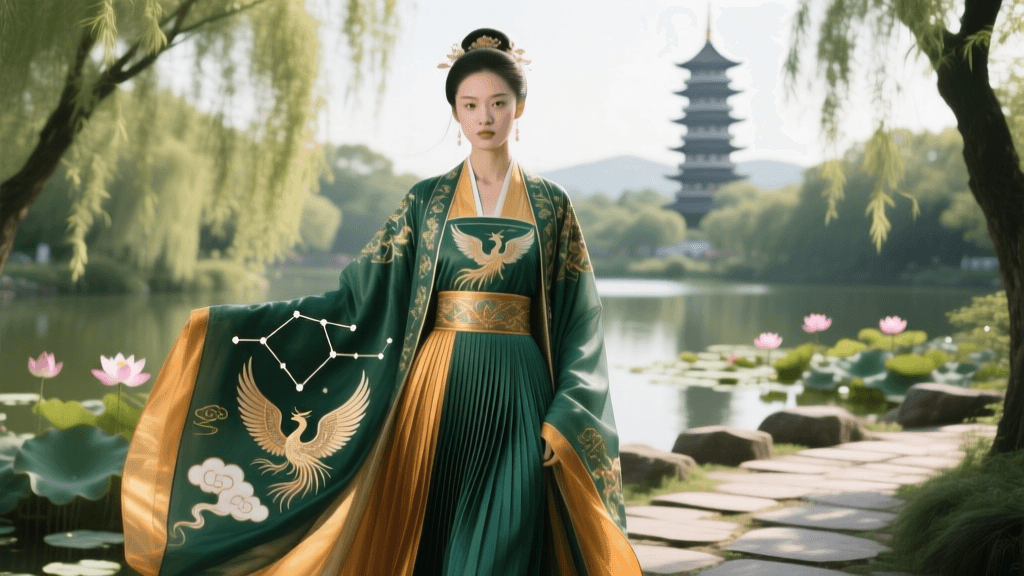
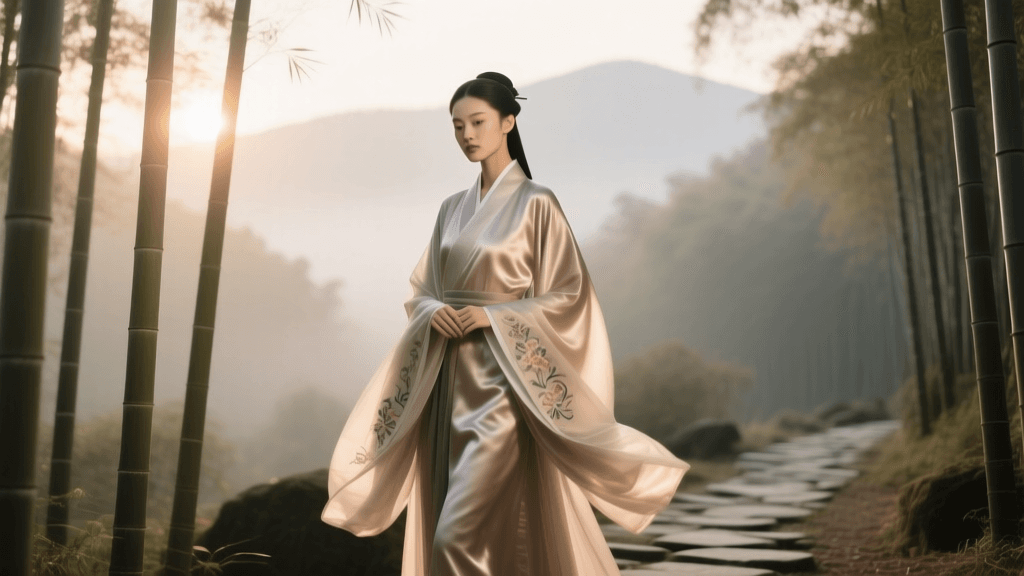
As we navigate through 2026, the cultural renaissance of traditional Chinese clothing has transformed from a niche hobby into a global travel phenomenon. Hanfu tourism is no longer just about wearing historical garments; it is an immersive experience that blends the Xin Zhongshi (new Chinese style) movement with heritage exploration. Travelers are increasingly curating entire itineraries around historical architecture, ancient gardens, and Silk Road ruins specifically to capture breathtaking photography in authentic attire. However, traveling with multi-layered silk garments, intricate pleated skirts, and delicate hair accessories presents unique logistical challenges. Whether you are taking the high-speed rail across China or flying internationally to attend a cultural festival, mastering the art of packing Hanfu is essential for a seamless journey.
Essential Hanfu Packing Toolkit for 2026
To ensure your garments arrive in pristine, camera-ready condition, you must invest in the right travel gear. The days of stuffing delicate silks into standard backpacks are over. Here is the ultimate 2026 packing toolkit for the modern Hanfu enthusiast:
- Portable Handheld Steamer: A compact, dual-voltage steamer like the Philips Compact Handheld Steamer (STH1000 series) is non-negotiable. It heats up in seconds and safely removes transit wrinkles from delicate organza and chiffon without damaging gold-foil embroidery.
- Rigid Garment Folders: For structured garments, use rigid EVA hard-shell cases. These prevent crushing and protect delicate beadwork and metallic threads from friction.
- Pleat Preservation Boards: Custom-cut cardboard or flexible plastic inserts are vital for maintaining the sharp, knife-pleated edges of a Mamianqun (horse-face skirt).
- Acid-Free Tissue Paper: Essential for buffering folds in raw silk and brocade fabrics to prevent permanent crease lines and color transfer.
- Anti-Wrinkle Fabric Spray: A travel-sized bottle of Downy Wrinkle Releaser can save the day when electrical outlets are scarce in remote scenic areas.
- Velvet-Lined Jewelry Rolls: To prevent hairpins (zanzan) and ornate buyao from tangling or bending, store them in a specialized velvet-lined roll with individual elastic loops.
Step-by-Step Folding & Packing Techniques
Packing the Mamianqun (Pleated Skirt)
The Mamianqun is notoriously difficult to pack due to its intricate pleating system. If folded incorrectly, the side pleats will collapse, requiring hours of steaming and pinning to restore. First, lay the skirt flat on a clean surface. Align the front and back flat panels perfectly. Place a flexible plastic pleat board over the pleated sections, then gently roll the skirt from the waistband down to the hem. Never fold a Mamianqun in half for long-term transit. Secure the rolled skirt with soft cotton ties and place it in a breathable canvas garment bag.
Packing the Ruqun and Aoqun
Cross-collar tops (Ru) and long jackets (Ao) often feature delicate silk brocades or sheer overlays fabrics. Stuff the sleeves with acid-free tissue paper to maintain their shape and prevent hard creases at the elbow joints. Fold the garment in thirds, placing additional tissue paper between each fold. For sheer summer garments like the Beizi, hang them in a dedicated garment bag rather than folding, as sheer fabrics are highly susceptible to permanent creasing.
Securing Accessories and Hairpieces
Traditional Hanfu styling requires an array of accessories. Faux hairpieces (jiapian) should be gently braided or coiled and stored in a silk-lined pouch to prevent frizz. Cloud shoulders (yunjian) with heavy beading or tassels should be laid completely flat at the very top of your luggage to avoid crushing the ornamental fringe.
Top 2026 Hanfu Travel Destinations & Photography Guides
Choosing the right destination is just as important as selecting the right outfit. In 2026, several heritage sites have optimized their infrastructure for Hanfu photographers, offering dedicated changing rooms, luggage storage, and historically accurate backdrops.
Xi'an: Tang Dynasty Grandeur
As the ancient capital of Chang'an, Xi'an remains the undisputed capital of Tang-style Hanfu. The Datang Everbright City offers a sprawling, lantern-lit pedestrian zone that comes alive at dusk. The high-collar, high-waisted Qixiong Ruqun (chest-high skirt) paired with a sheer shawl is the quintessential look here. In 2026, the city has expanded its dedicated Hanfu rental and styling studios near the Big Wild Goose Pagoda, making it easier than ever to achieve historically accurate Tang dynasty makeup, complete with the iconic huadian (forehead floral decals).
Suzhou: Ming Dynasty Elegance
For those who prefer the understated, intellectual elegance of the Ming dynasty, Suzhou's classical gardens are unparalleled. The Humble Administrator's Garden, a premier fixture on the UNESCO World Heritage list, provides a labyrinth of pavilions, koi ponds, and moon gates that perfectly frame the structured silhouettes of Ming-style Aoqun and heavily embroidered Mamianqun. Early morning entry is highly recommended to avoid crowds and capture the soft, diffused light filtering through the bamboo groves.
Dunhuang: Silk Road Mystique
Dunhuang offers a completely different aesthetic, heavily influenced by the cultural exchanges of the ancient Silk Road. The Mingsha Mountain (Singing Sand Dunes) and the nearby Mogao Caves—another spectacular UNESCO World Heritage site—serve as the ultimate backdrop for 'Flying Apsaras' (Feitian) inspired Hanfu. These outfits feature flowing, floor-length silk ribbons, bare shoulders, and vibrant jewel-toned fabrics that contrast beautifully against the golden desert sands. According to historical analyses of regional dress, such as those documented by the Metropolitan Museum of Art's Heilbrunn Timeline, the blending of Central Asian motifs with traditional Han silhouettes creates a deeply unique sartorial narrative that is best expressed in this desert landscape.
Destination Comparison Chart (2026 Data)
To help you plan your 2026 itinerary, we have compiled a comparison of the top Hanfu travel destinations, including recommended styles and current average costs for professional photography tours.
| Destination | Recommended Hanfu Style | Best Season to Visit | Avg. Photo Tour Cost (CNY) | Transit Hub |
|---|---|---|---|---|
| Xi'an (Datang Everbright City) | Tang Qixiong Ruqun, Banbi | Spring (April-May) & Autumn | ¥600 - ¥1,200 | Xi'an Xianyang Int'l (XIY) |
| Suzhou (Humble Admin. Garden) | Ming Aoqun, Mamianqun | Spring (March-April) & Late Autumn | ¥800 - ¥1,500 | Shanghai Hongqiao (HGH) + HSR |
| Dunhuang (Mingsha Mountain) | Flying Apsaras, Silk Road Fusion | Early Autumn (September) | ¥1,000 - ¥2,000 | Dunhuang Mogao Int'l (DNH) |
| Hangzhou (West Lake) | Song Dynasty Beizi, Pleated Skirts | Spring (April) & Summer (Lotus season) | ¥500 - ¥900 | Hangzhou East Railway Station |
Transit, Etiquette, and Practical Travel Tips
Traveling in Hanfu requires mindfulness regarding both transit logistics and cultural etiquette. When utilizing China's expansive High-Speed Rail (HSR) network in 2026, remember that standard luggage dimensions apply. A fully packed Hanfu garment bag can easily exceed the 130cm length limit for standard overhead racks. Always opt for a foldable, soft-sided garment carrier that can be draped over your seat or stored in the dedicated luggage closets at the ends of the train cars.
When visiting active temples or sacred historical sites, modesty and respect are paramount. While Tang dynasty styles can be historically revealing, it is advisable to wear a supportive, skin-toned camisole underneath cross-collar tops to prevent accidental exposure while navigating crowded areas or climbing steep stone staircases. Furthermore, always check the photography policies of specific heritage sites. While outdoor photography is generally encouraged, the use of tripods, reflectors, and commercial lighting rigs is strictly prohibited inside most UNESCO-listed pavilions and cave temples to protect the ancient pigments and woodwork from heat and physical damage.
Finally, weather preparedness is crucial. The layered nature of Hanfu can quickly lead to overheating in the humid summers of southern China. Opt for lightweight linen blends, sheer ramie, and single-layer garments during the June to August season. Conversely, if you are traveling to northern destinations like Beijing or Xi'an in late autumn, invest in a historically inspired Doufeng (cape) or a fleece-lined cloak to maintain warmth without breaking the visual immersion of your traditional ensemble. By combining meticulous packing strategies with a deep respect for the historical contexts of your destinations, your 2026 Hanfu travel experience will be both visually spectacular and culturally profound.