Kimono Styling for Modern Occasions: Weddings & Galas
The Renaissance of the Kimono in Contemporary Fashion
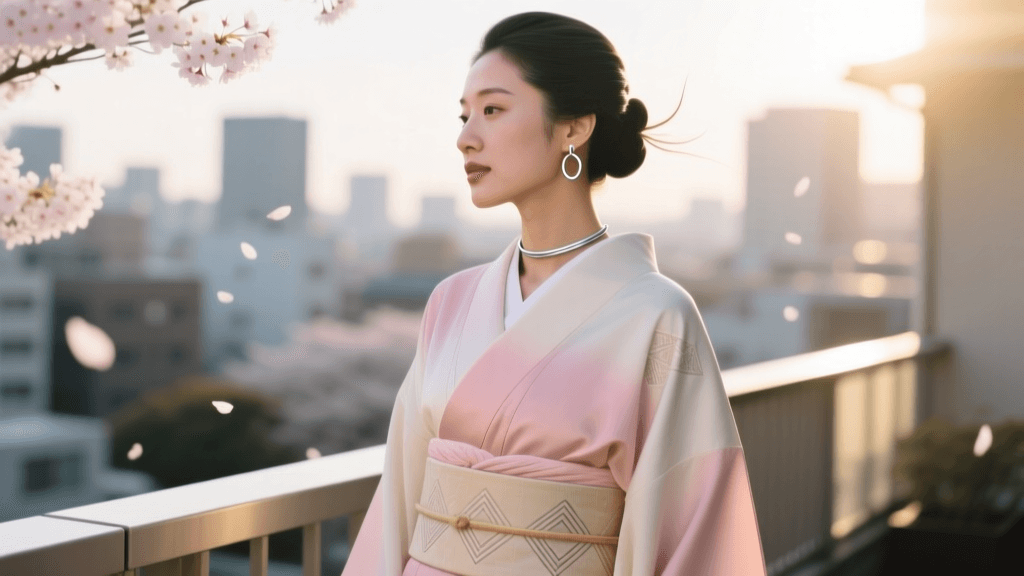
The kimono, a T-shaped, straight-lined robe with attached collars and long, wide sleeves, has transcended its historical boundaries to become a dynamic fixture in global fashion. While deeply rooted in Japanese heritage, the garment is no longer confined to strict, traditional ceremonies. Today, fashion-forward individuals, stylists, and cultural enthusiasts are reimagining the kimono for modern occasions such as contemporary weddings, black-tie galas, and high-fashion cocktail parties. This evolution honors the garment's intricate craftsmanship while adapting it to the practical and aesthetic demands of the 21st century.
As highlighted by the Victoria and Albert Museum in their groundbreaking exhibition 'Kimono: Kyoto to Catwalk', the garment has continuously influenced and absorbed global fashion trends since the 17th century. Today's modern styling is simply the latest chapter in this ongoing cross-cultural dialogue, blending ancestral artistry with avant-garde sensibilities. Whether you are attending a modern wedding in Tokyo, a charity gala in New York, or an upscale evening event in London, styling a kimono requires a balance of cultural respect and contemporary flair.
Decoding Formality for Contemporary Events
Understanding the hierarchy of kimono formality is crucial before stepping into a modern event space. While traditional rules were once rigid, modern styling allows for nuanced interpretations based on the event's dress code. According to the Metropolitan Museum of Art, the fundamental structure of the kimono has remained largely unchanged for centuries, but the textiles, motifs, and family crests (kamon) denote its social and ceremonial weight.
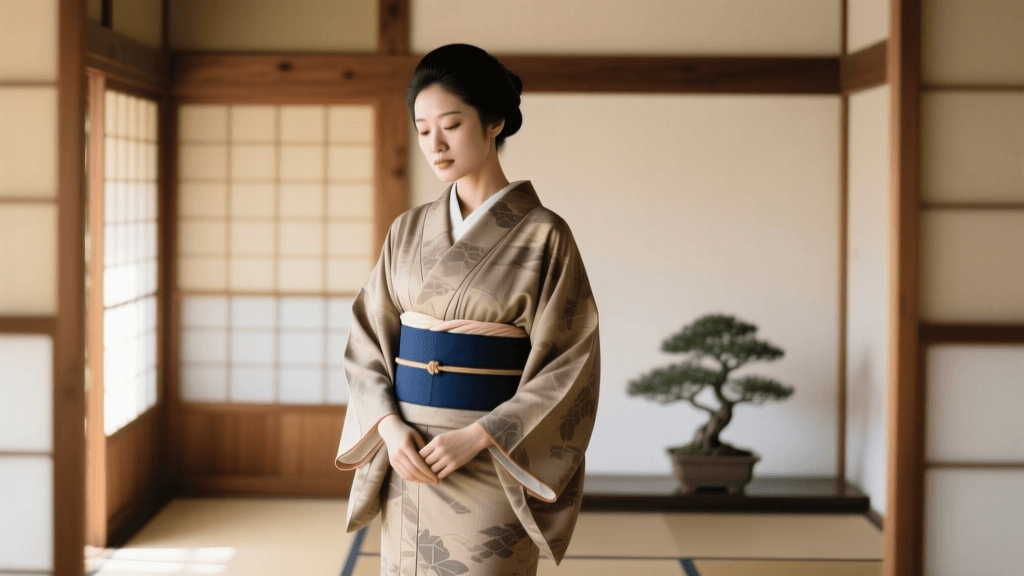
For modern weddings and galas, the 'houmongi' (visiting kimono) and 'tomesode' are the most appropriate choices. The houmongi features continuous patterns that flow across the seams, making it highly elegant and suitable for both married and unmarried women attending formal banquets. The kurotomesode (black with patterns only below the waist) remains the pinnacle of formality for married women, often worn by the mother of the bride, while the irotomesode (colored base) offers a vibrant alternative for modern black-tie galas.
Kimono Formality and Modern Application Chart
| Kimono Type | Traditional Use | Modern Occasion | Est. Rental Cost (USD) |
|---|---|---|---|
| Furisode | Unmarried women's formalwear | Prom, Red Carpet, Coming-of-Age | $150 - $350 |
| Houmongi | Formal visits and tea ceremonies | Weddings, Banquets, Galas | $100 - $250 |
| Tomesode | Married women's highest formalwear | Black-Tie Events, Mother of Bride | $120 - $300 |
| Komon | Casual daily wear | Streetwear, Cocktail Parties | $40 - $90 |
East Meets West: Fusion Styling Techniques
The true magic of modern kimono styling lies in fusion—blending traditional Japanese garments with Western fashion elements to create a striking, contemporary silhouette. This approach is particularly popular among younger demographics and international fashionistas who wish to honor the garment while expressing their personal style.
Footwear: Beyond the Zori
Traditionally, kimonos are paired with 'zori' (straw or vinyl sandals) and 'tabi' (split-toe socks). For a modern gala, many stylists swap the zori for sleek, embellished heels, velvet pumps, or even lace-up leather boots. The contrast between the flowing silk of the kimono hem and a structured, modern heel creates an avant-garde aesthetic. Maison Margiela's iconic Tabi boots, which draw direct inspiration from Japanese workwear, have become a staple in high-fashion kimono styling, bridging the gap between heritage and haute couture.
Outerwear: The Haori as a Statement Piece
The 'haori', a traditional hip- or thigh-length kimono-style jacket, is incredibly versatile for modern occasions. While traditionally worn over a kimono, modern stylists frequently drape a vintage, intricately painted silk haori over a minimalist Western evening gown or a sharply tailored tuxedo suit. Wearing a haori open like a duster coat adds a layer of dramatic movement and introduces traditional Japanese motifs—such as cranes, waves, or geometric 'yuzen' dye patterns—into a contemporary wardrobe.
Reimagining the Obi
The 'obi' is the wide sash used to secure the kimono. In fusion styling, vintage 'fukuro obi' (brocade sashes) are often repurposed as statement corset belts worn over modern slip dresses, crisp white button-down shirts, or tailored blazers. The stiff, luxurious brocade provides incredible structural support and serves as a wearable piece of art, instantly elevating a simple Western outfit to gala-ready status.
Seasonal Motifs and Modern Color Palettes
Historically, kimono motifs were strictly tied to the seasons; wearing cherry blossoms in autumn or maple leaves in spring was considered a major fashion faux pas. However, modern styling embraces a more liberal approach. While respecting the seasons is still admired, contemporary fashion often prioritizes color theory and abstract aesthetics over strict botanical calendars.
For a winter gala, a monochromatic look featuring a deep emerald green kimono paired with a metallic gold obi and a dark jade 'obijime' (decorative cord) creates a luxurious, modern palette. For summer weddings, lightweight 'ro' or 'sha' (woven gauze) kimonos in sheer, icy blues and silvers offer breathability and an ethereal, contemporary glow. The key to modern color styling is intentionality: pairing unexpected, high-contrast colors that reflect modern graphic design sensibilities rather than traditional pastoral landscapes.
The Art of Kitsuke: Measurements and Tailoring
'Kitsuke' is the art of dressing in a kimono. Unlike Western garments that are tailored to hug the body's curves, the kimono is a flat, rectangular garment that requires precise folding and tying to fit the wearer's unique proportions. If you are purchasing or renting a kimono for a major event, understanding your measurements is critical.
- Yuki: The measurement from the center back of the neck, over the shoulder, and down to the wrist. This determines the sleeve length and ensures the garment drapes correctly across the shoulders.
- Mitake: The length from the shoulder to the hem. Because kimonos are worn folded at the waist to create the 'ohashori' (the visible tuck above the obi), the mitake must be significantly longer than your actual height.
- Katahaba and Sodehaba: The shoulder width and sleeve width, respectively, which dictate the volume and drape of the sleeves.
Modern kitsuke often utilizes elastic 'koshi himo' (waist ties) and velcro 'datejime' (wide sashes) to speed up the dressing process and ensure the garment stays secure throughout a long evening of dancing and socializing.
Budgeting: Rental, Vintage, and Bespoke
Sourcing a kimono for a modern occasion depends heavily on your budget, timeline, and commitment to the garment. For those planning to source garments in Japan, the Japan National Tourism Organization recommends exploring specialized districts like Tokyo's Jimbocho or Kyoto's flea markets for vintage treasures.
- Vintage Markets: Purchasing a vintage silk kimono can cost anywhere from $30 to $300. This is the most sustainable and cost-effective route, though it requires a keen eye for fabric condition and sizing.
- Professional Rental: Renting a complete, high-end formal kimono set (including obi, accessories, and dressing services) typically ranges from $100 to $350. This is ideal for one-off events like weddings.
- Bespoke Modern Artisans: Commissioning a new, custom-woven silk kimono from heritage houses like Chiso or Kawakita is an investment, starting at $3,000 and easily exceeding $15,000 for intricate hand-painted or gold-leaf designs.
Timing Tip: If you plan to rent a formal kimono for a major event during peak seasons (such as the spring cherry blossom season or autumn wedding season), you must book your fitting and reservation at least 3 to 6 months in advance.
Glamour and Grooming: Hair, Makeup, and Jewelry
Traditional kimono styling often dictates specific hairstyles, such as the elaborate 'shimada' updo, and eschews Western jewelry. Modern occasions, however, invite a glamorous fusion of grooming techniques. A sleek, low chignon or a modern, textured braided updo provides a sophisticated canvas that complements the high collar of the kimono without looking like a historical reenactment.
When it comes to jewelry, the rule of thumb is to let the kimono's textile shine. However, a pair of statement pearl drop earrings or a delicate, modern diamond hairpin can bridge the gap between traditional attire and contemporary black-tie expectations. Avoid heavy necklaces, as they clash with the kimono's collar and disrupt the clean lines of the neckline.
Cultural Etiquette in the Modern Age
While modern styling encourages creativity, it is paramount to maintain a foundation of cultural respect. The kimono is not merely a costume; it is a garment imbued with centuries of social meaning, regional craftsmanship, and spiritual significance. When styling a kimono for a modern gala or wedding, always ensure the garment is worn correctly—specifically, the left side must always overlap the right side. (The right-over-left style is strictly reserved for dressing the deceased for burial).
By approaching the kimono with an understanding of its history, a respect for its construction, and a thoughtful eye toward contemporary fusion, you can confidently wear this magnificent garment to any modern occasion. The result is a look that is not only visually breathtaking but also deeply resonant with the ongoing story of global fashion.