The Ultimate Kimono Care Guide: Cleaning and Storage Tips
Introduction to Kimono Preservation
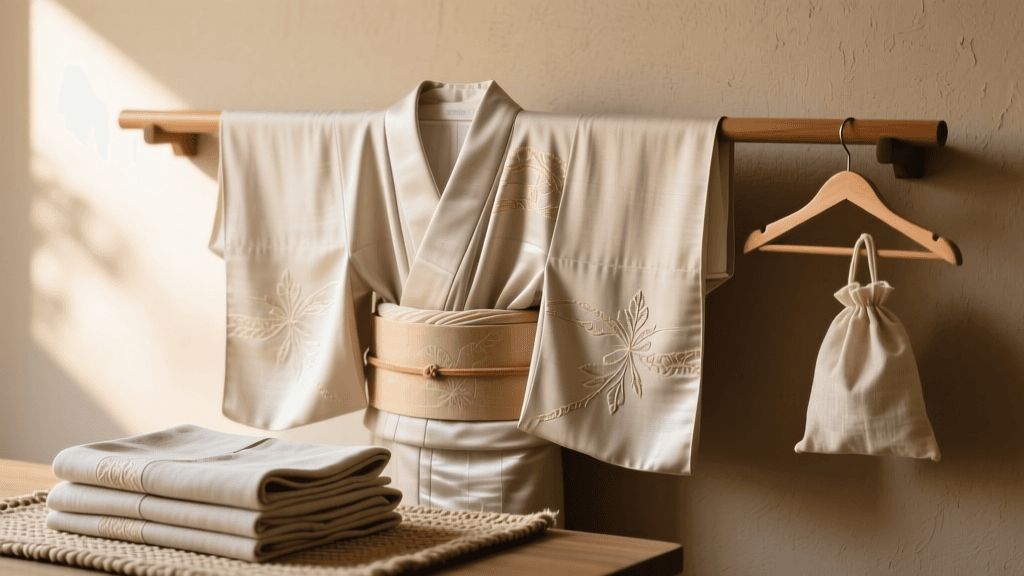
Owning a traditional Japanese kimono is an investment in wearable art and cultural heritage. Whether you possess a vintage silk uchikake (wedding kimono), a casual cotton yukata, or a formal tomesode, proper maintenance is essential to preserve the garment's structural integrity and vibrant dyes. Unlike Western clothing, kimonos are constructed from straight bolts of fabric known as tanmono and rely on highly specific folding and storage techniques to prevent permanent creasing, mold growth, and fiber degradation.
Many enthusiasts and collectors mistakenly treat kimonos like standard wardrobe pieces, leading to irreversible damage such as dye transfer, silk shattering, and permanent water spots. According to the Victoria and Albert Museum's textile conservation guidelines, historical garments require specialized environmental controls and handling protocols to ensure their longevity. This comprehensive guide will walk you through the practical, actionable steps required to clean, fold, and store your Japanese garments safely.
Understanding Your Kimono's Fabric
Before applying any cleaning or storage method, you must accurately identify your kimono's fabric. The care requirements vary drastically between protein fibers, cellulose fibers, and modern synthetics.
Silk (Kinu)
Authentic silk is a protein fiber that is highly sensitive to alkaline substances, friction, and water. Water droplets can leave permanent rings on silk by displacing the dyes and altering the fiber's light-reflecting properties. Silk kimonos should never be machine washed or aggressively spot-cleaned at home.
Cotton (Momen) and Hemp (Asa)
Often used for yukata and casual summer wear, cotton and hemp are cellulose fibers. They are much more resilient and can generally withstand gentle hand washing. However, they are prone to shrinkage and color bleeding if exposed to hot water or harsh detergents.
Synthetics (Polyester)
Modern washable kimonos are frequently made from polyester. While highly durable and stain-resistant, these fibers are heat-sensitive. High temperatures from irons or dryers can melt or permanently warp the fabric.
Spot Cleaning and Stain Management
Accidents happen, especially during festivals or tea ceremonies. How you react in the first few minutes determines whether a stain becomes a permanent blemish.
- The Tataki Brush Method: For dry debris or light dust, use a traditional tataki brush (made of soft straw or horsehair). Gently brush the fabric in the direction of the weave to lift particles without grinding them into the fibers.
- Managing Water Spots on Silk: If water splashes onto a silk kimono, do not rub it. Instead, use a clean, dry microfiber cloth to gently blot the moisture. To prevent a water ring, you can lightly steam the entire panel from a distance of 12 inches using a garment steamer, which helps redistribute the moisture evenly.
- Oil and Makeup Stains: For silk, avoid home remedies like baking soda or dish soap, which can strip the fabric's natural sericin and cause localized fading. Take the garment to a professional immediately. For cotton yukata, pre-treat oil stains with a mild, pH-neutral detergent like Eucalan before a cold-water hand wash.
Professional Cleaning: Timelines and Costs
When a kimono requires a full clean, you have two primary options: modern dry cleaning or the traditional arai-hari method.
Modern Dry Cleaning
Specialized kimono dry cleaners use gentle solvents that do not agitate the fibers. This is suitable for routine maintenance of lightly soiled garments.
- Cost: $40 to $90 USD, depending on the garment's size and lining.
- Timeline: 1 to 3 weeks.
- Best For: Modern silk kimonos, haori jackets, and synthetic blends.
Traditional Arai-Hari
Arai-hari is a meticulous, centuries-old process where the kimono is completely unstitched into its original rectangular fabric panels. The panels are washed, stretched on wooden boards called hari-ita to dry and realign the fibers, and then hand-sewn back together. This restores the garment's original dimensions and removes deep-set creases.
- Cost: $150 to $350+ USD.
- Timeline: 1 to 3 months.
- Best For: Vintage silk, heavily soiled heirlooms, and garments with severe creasing or structural distortion.
The Art of Folding: The Tatou Method
Hanging a kimono on a standard Western hanger will stretch the shoulders and distort the neckline. Kimonos must be folded using the traditional tatou (or honsuita) method, which aligns the seams to prevent stress on the fabric.
Step-by-Step Tatou Folding
- Lay the kimono face down on a clean, flat surface.
- Fold one side of the body inward along the back seam, aligning the front edge with the center back.
- Fold the sleeve back so it does not overlap the body fold.
- Repeat the process with the other side, creating a long, narrow rectangle.
- Fold the sleeves inward over the body.
- Fold the bottom hem up to meet the collar, then fold the garment in half or thirds depending on its length.
Once folded, wrap the kimono in tato-shi (acid-free tissue paper or traditional Washi paper). Never use standard commercial tissue paper or newspaper, as the high acidity and ink will transfer to the fabric and cause yellowing over time. The Canadian Conservation Institute strongly recommends acid-free enclosures for all historical textile storage to prevent chemical degradation.
Long-Term Storage Solutions
The environment in which you store your kimono is just as critical as how you fold it. Humidity, light, and pests are the three primary enemies of traditional Japanese garments.
The Kiribako (Paulownia Wood Box)
In Japan, high-quality kimonos are stored in kiribako, boxes crafted from Paulownia wood. Paulownia is naturally fire-resistant, lightweight, and possesses unique hygroscopic properties. When the ambient humidity rises, the wood swells to seal the box and keep moisture out; when the air is dry, it contracts to allow the fabric to breathe. If a kiribako is outside your budget, use archival-quality, acid-free cardboard textile boxes. Avoid plastic storage bins at all costs, as they trap moisture and create a microclimate perfect for mold growth.
Pest Management
Silk and wool are highly susceptible to moth and carpet beetle larvae. While traditional camphor or naphthalene mothballs are effective, they must never touch the fabric directly. The chemical fumes can react with metallic threads (surihaku) and foil accents, causing them to tarnish or blacken. Place natural pest repellents like cedar blocks or dried lavender sachets in the corners of your storage box, separated from the fabric by layers of acid-free paper.
Fabric Care and Storage Comparison Chart
| Fabric Type | Washing Method | Drying Technique | Storage Environment | Pest Control |
|---|---|---|---|---|
| Silk (Kinu) | Professional Dry Clean or Arai-Hari | Air dry flat in shade (if hand-washed) | Paulownia box or acid-free box | Cedar blocks, indirect camphor |
| Cotton (Momen) | Hand wash cold with pH-neutral soap | Hang or lay flat, avoid direct sun | Cotton storage bags or drawers | Lavender sachets, regular airing |
| Hemp (Asa) | Hand wash cold, gentle agitation | Lay flat to prevent stretching | Breathable textile boxes | Cedar blocks |
| Polyester | Machine wash gentle or hand wash | Tumble dry low or hang dry | Standard drawers or shelves | Standard moth prevention |
Creating a Seasonal Maintenance Routine
To ensure your collection remains in pristine condition, adopt the traditional Japanese practice of mushiboshi (insect airing). This involves taking your kimonos out of storage to air them out, inspect them for early signs of mold or pests, and refold them along different lines to prevent permanent crease damage.
When to Perform Mushiboshi
Perform this routine twice a year, ideally during the dry, mild weeks of late spring (May) and late autumn (October or November). Avoid airing your garments during the rainy season (tsuyu) or peak summer humidity, as the fabric will absorb excess moisture from the air.
How to Air Your Garments
Set up a kimono rack or use a clean, dry indoor space away from direct sunlight. UV rays will rapidly fade natural dyes, particularly organic indigo and safflower red. Unfold the garments and let them breathe for 4 to 6 hours. While they are out, wipe down the interior of your kiribako with a dry, lint-free cloth to remove any dust or microscopic pest eggs. As noted in the V&A's Kimono: Kyoto to Catwalk exhibition archive, the historical preservation of these garments relies heavily on consistent, mindful maintenance rather than reactive repairs.
Conclusion
Caring for a kimono is a mindful practice that connects you to centuries of Japanese textile tradition. By understanding the unique properties of your fabric, utilizing the tatou folding method, and investing in proper climate-controlled storage, you can protect your garments from the ravages of time. Whether you are preserving a family heirloom or maintaining a modern silk piece for seasonal wear, these actionable steps will ensure your kimono remains a vibrant, structurally sound masterpiece for decades to come.