Handcrafted Yunxie Cloud Shoes: 2026 Styling & Care Guide
The Resurgence of Yunxie in the 2026 Xin Zhongshi Movement
As we navigate the global fashion landscape of 2026, the Xin Zhongshi (New Chinese Style) movement has fully matured from a niche subculture into a dominant force in contemporary wardrobes. At the very foundation of this sartorial renaissance lies traditional Chinese footwear, most notably the Yunxie, or cloud shoes. Once relegated to the stages of Peking Opera or the display cases of textile museums, handcrafted Yunxie are now being embraced by modern consumers who value heritage craftsmanship, sustainable materials, and profound cultural symbolism.
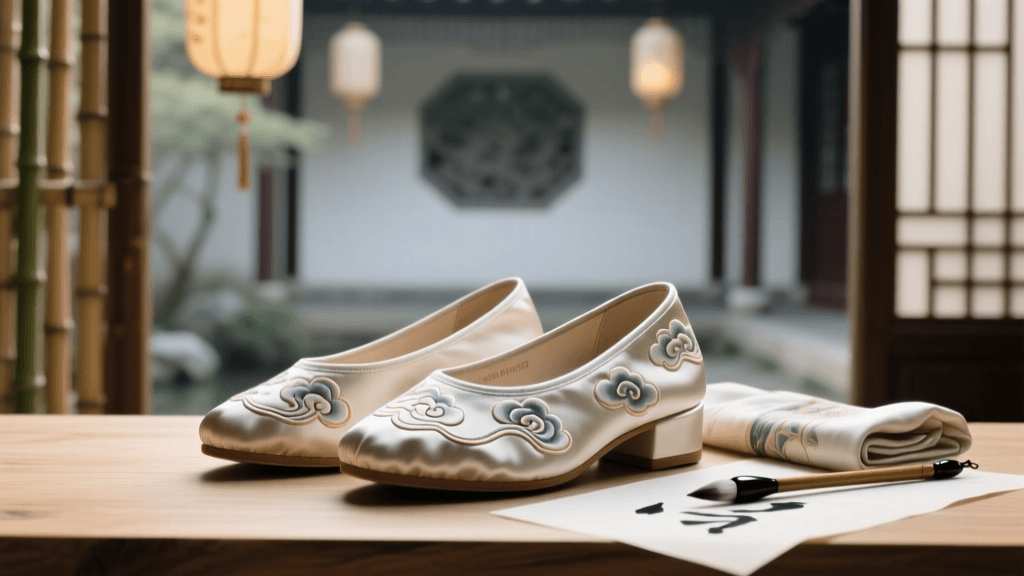
The defining characteristic of the Yunxie is its upturned toe, which historically resembles the swirling, auspicious clouds found in classical Chinese art and architecture. In traditional Daoist philosophy, stepping on clouds symbolizes a connection between the earthly realm and the celestial, offering the wearer a sense of lightness, harmony, and spiritual elevation. Today, artisanal workshops in Suzhou and Hangzhou are blending centuries-old embroidery techniques with modern ergonomic lasts, creating footwear that is as comfortable for navigating a bustling 2026 metropolis as it is visually striking.
The historical significance of these garments is immense. According to the Victoria and Albert Museum's Asian collections, historical Chinese footwear was deeply intertwined with social status, regional identity, and philosophical beliefs. The meticulous construction of these shoes offers a tangible link to the past, reimagined for the modern era.
Anatomy of Traditional Chinese Footwear
To truly appreciate the craftsmanship of 2026's traditional footwear market, one must understand the distinct categories that have survived and evolved over the dynasties.
Yunxie (Cloud Shoes)
The Yunxie features a softly upturned toe box, often heavily embroidered with motifs of peonies, lotuses, or bats (symbolizing good fortune). The upper is traditionally crafted from silk brocade or satin, while the sole is constructed from layered, compressed cotton and hemp, stitched tightly together with thick linen thread. Modern 2026 iterations frequently incorporate hidden memory foam insoles and flexible rubber outsoles to provide arch support without compromising the historical silhouette.
Xuezi (Traditional Boots)
Originally worn by scholars, officials, and martial artists during the Ming and Qing dynasties, Xuezi are characterized by their thick, multi-layered soles and high shafts. In the contemporary Xin Zhongshi movement, Xuezi have been adapted into sleek, ankle-height boots crafted from matte vegan leather or heavy cotton-linen blends. They provide a structured, grounding contrast to the flowing lines of traditional skirts and wide-leg trousers.
Qiaotou Xie (Upturned Toe Shoes)
While similar to Yunxie, Qiaotou Xie feature a more pronounced, angular upward curve at the toe. Historically favored by court officials and the aristocracy, these shoes project an air of authority and formality. Today, they are primarily produced for high-fashion editorial shoots and formal cultural ceremonies, featuring rigid structural supports to maintain their dramatic architectural shape.
2026 Buyer’s Guide: Materials, Craftsmanship, and Pricing
The market for traditional Chinese footwear in 2026 is highly diversified, catering to everyone from daily practitioners of Hanfu to avant-garde streetwear enthusiasts. Artisans have introduced innovative material treatments to address the historical fragility of silk embroidery.
| Material Composition | 2026 Average Cost (RMB) | Durability Rating | Ideal Season & Use Case |
|---|---|---|---|
| Heavy Silk Brocade | 800 - 1,500 | Moderate | Autumn/Winter, Formal Events |
| Cotton-Linen Blend | 300 - 600 | High | Spring/Summer, Daily Wear |
| Nano-Coated Vegan Leather | 500 - 900 | Very High | All-Weather, Streetwear Fusion |
| Velvet with Gold Threading | 1,200 - 2,500 | Low (Delicate) | Winter, Ceremonial / Bridal |
When purchasing authentic hand-embroidered Yunxie, consumers should look for the hallmark of Su Embroidery (Suzhou). As noted in the Encyclopedia Britannica's guide to Chinese embroidery, Su embroidery is renowned for its intricate stitch work, delicate color gradations, and the use of silk threads split into fractions as thin as a single hair. In 2026, a genuine hand-stitched pair from a certified Suzhou artisan will typically feature a certificate of authenticity and a lead time of four to six weeks due to the labor-intensive nature of the craft.
How to Style Yunxie for Modern 2026 Wardrobes
Integrating highly traditional footwear into a contemporary wardrobe requires a balance of proportions and textures. The Xin Zhongshi aesthetic thrives on the juxtaposition of ancient silhouettes with modern minimalism.
The Modern Mamianqun Ensemble
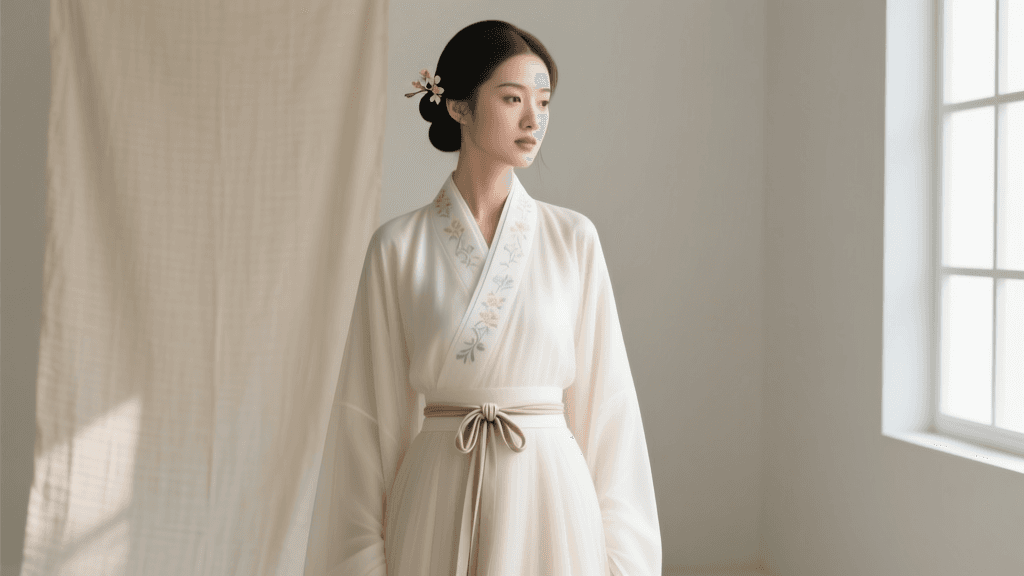
The Mamianqun (horse-face skirt) remains the undisputed champion of the 2026 Hanfu revival. When pairing Yunxie with a Mamianqun, opt for a skirt with a slightly shorter hemline that grazes the ankle bone. This ensures the intricate upturned toe and side embroidery of the shoe remain visible. Pair this with a fitted, ribbed-knit turtleneck or a structured, cropped blazer to anchor the voluminous skirt in modernity.
Minimalist Linen and Tailored Trousers
For a more understated, gender-neutral approach, cotton-linen Yunxie look exceptional when paired with wide-leg, pleated trousers. The drape of the fabric should pool slightly over the vamp of the shoe, allowing the cloud toe to peek through. This look is highly favored in the 2026 tea-house culture scene, where comfort and breathable fabrics are paramount during the humid summer months.
Avant-Garde Streetwear Fusion
The most daring fashion enthusiasts are currently pairing nano-leather Xuezi and Yunxie with oversized, asymmetrical streetwear. Think distressed denim, technical nylon cargo pants, and cropped puffer jackets. The rigid, historical structure of the traditional boot creates a striking visual tension against the chaotic, utilitarian lines of modern tech-wear.
Care and Maintenance for Brocade and Embroidered Footwear
Traditional footwear requires specialized care to preserve the integrity of natural fibers and metallic embroidery threads. The preservation of these techniques is considered a vital cultural asset, recognized globally. For instance, the UNESCO Intangible Cultural Heritage lists for China highlight the urgency of protecting traditional sericulture and silk craftsmanship, which extends directly to the creation and preservation of silk garments and footwear.
To ensure your handcrafted Yunxie and Xuezi last for years, adhere to the following 2026 maintenance protocols:
- Dust and Debris Removal: Never use wet wipes or harsh chemical cleaners on silk brocade. Instead, use a soft, natural horsehair brush to gently sweep away dust from the embroidery grooves after every wear.
- Snag Management: If a silk thread snags, do not pull it. Use a fine, blunt-tipped needle to gently push the snagged thread to the interior lining of the shoe to maintain a flawless exterior surface.
- Moisture Control: Traditional compressed cotton soles are highly susceptible to warping if exposed to heavy rain. If your shoes become damp, stuff them immediately with unbleached, acid-free tissue paper and allow them to air dry at room temperature, far from direct heat sources or sunlight which can fade natural silk dyes.
- Structural Storage: Invest in custom-carved cedar shoe trees. Cedar naturally repels moths—a primary enemy of silk and wool—while absorbing residual moisture and odors. Store the shoes in breathable, unbleached cotton dust bags; avoid plastic containers, which trap humidity and accelerate the degradation of natural protein fibers.
- Waterproofing Innovations: For daily-wear cotton-linen or vegan leather pairs, apply a modern, breathable nano-waterproofing spray. Ensure the spray is specifically formulated for delicate textiles to prevent the stiffening of the embroidered threads.
Conclusion: Walking Forward with Heritage
The revival of traditional Chinese footwear in 2026 is more than a fleeting aesthetic trend; it is a profound reclamation of cultural identity and artisanal mastery. Whether you are slipping into a pair of vibrant silk Yunxie for a cultural festival, or lacing up a pair of structured cotton Xuezi for a day in the city, you are participating in a living history. By understanding the anatomy, styling potential, and proper care of these remarkable garments, you ensure that the artistry of the cloud shoe continues to grace the modern world with elegance and philosophical depth.