Hanfu Undergarments: Layering & Structural Basics Guide
The Foundation of Elegance: Understanding Hanfu Undergarments
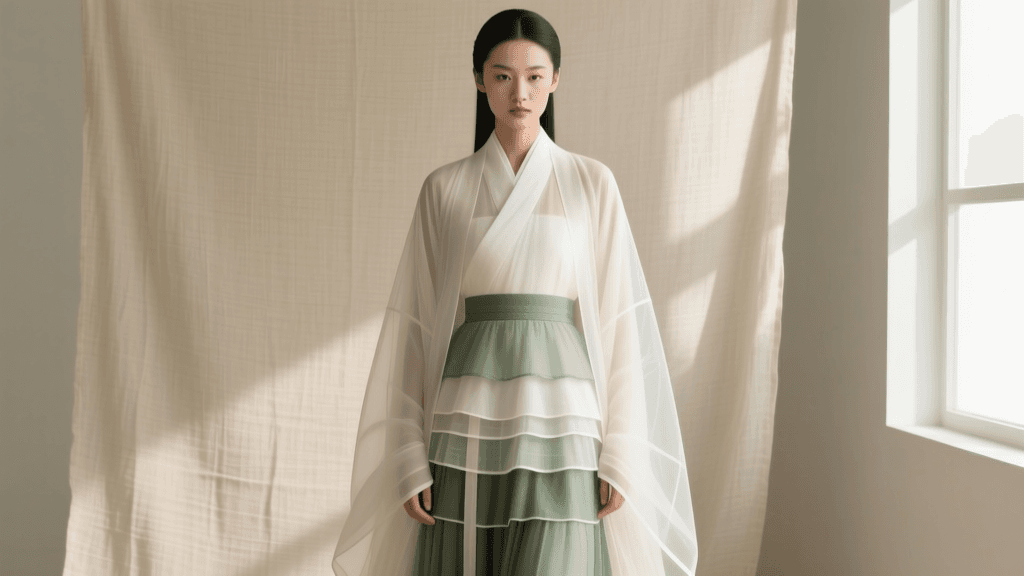
When observing the sweeping silhouettes and intricate drapery of traditional Chinese clothing, the untrained eye is often captivated solely by the outermost robes, the elaborate embroidery, and the flowing sleeves. However, the true architectural brilliance of Hanfu lies beneath the surface. The foundational layers of Hanfu undergarments are not merely functional necessities; they are the structural scaffolding that dictates how the outer garments drape, move, and present themselves. Without the correct undergarments, even the most expensive and historically accurate outer robe will hang limply, lacking the dignified volume and graceful lines characteristic of traditional Chinese dress.
The modern Hanfu revival movement has brought immense attention to the historical accuracy of outerwear, yet mastering the undergarments remains a crucial rite of passage for enthusiasts. According to cultural reports from BBC News, the contemporary resurgence of Hanfu is deeply tied to a meticulous reclaiming of historical identity, where every layer holds cultural significance. Understanding these foundational pieces is essential for anyone looking to wear Hanfu with authenticity, comfort, and structural integrity.
Core Structural Layers: From Skin to Silhouette
The traditional Hanfu layering system is designed to protect the delicate outer silks from body oils and sweat, provide modesty beneath translucent fabrics, and create the necessary volume to support heavy skirts and wide sleeves. Let us break down the essential undergarments that form the base of the Hanfu ensemble.
Zhongyi (中衣) and Zhongku (中裤): The Base Layers
The Zhongyi (inner top) and Zhongku (inner trousers) serve as the primary barrier between the body and the outer garments. The Zhongyi is typically a cross-collared top with narrow, fitted sleeves. This narrow sleeve design is highly intentional; it prevents the undergarment from bunching up inside the wide, flowing sleeves of the outer robe, ensuring a smooth drape and preventing discomfort. The collar of the Zhongyi is often left slightly visible beneath the outer robe's collar, adding a sophisticated layered aesthetic that is a hallmark of Hanfu styling.
The Zhongku are wide-legged trousers that tie at the waist. Historically, before the widespread adoption of the pleated skirt (mamianqun) in later dynasties, trousers were a primary lower-body garment. Today, they are worn beneath skirts to provide modesty, prevent chafing, and offer warmth during colder months. They are usually made from breathable, soft fabrics that allow for unrestricted movement.
Moxiong (抹胸) and Baofu (抱腹): Torso Shaping
For many Hanfu styles, particularly those from the Tang, Song, and Ming dynasties, the Moxiong (chest wrap or tube top) is an indispensable structural piece. Unlike modern bras that lift and separate, the traditional Moxiong is designed to smooth the torso, flatten the bust slightly, and provide a seamless canvas for the high-waisted skirts and low-cut collars of outer garments. In the Tang dynasty, the Moxiong was often elaborately embroidered and meant to be seen, whereas in the Song dynasty, it was a more subdued, structural undergarment.
The Baofu is a similar torso-wrapping garment, sometimes featuring shoulder straps or tying around the neck, providing additional support and shaping. These garments ensure that the outer layers sit flush against the body without awkward bulging, maintaining the elegant, unbroken vertical lines prized in traditional Chinese aesthetics.
Chenqun (衬裙): The Skirt Foundation
The Chenqun is the foundational underskirt. Its primary purpose is to add volume and structure to the outer skirt. Many traditional outer skirts are made from lightweight, semi-translucent silks or gauzes. Without a Chenqun, the legs would be visible, breaking the modesty protocols of traditional dress. Furthermore, the Chenqun helps the outer skirt maintain its bell-like or A-line shape, preventing it from clinging to the legs during movement or in windy conditions.
The true elegance of Hanfu does not merely lie in the outermost robe, but in the meticulous architecture of the unseen layers that give it life, form, and historical resonance.
The Layering Protocol: A Step-by-Step Guide
Dressing in Hanfu is a deliberate, meditative process. The order of layering is strict, governed by both practicality and ancient philosophical principles.
- Step 1: The Innermost Layer. Begin with the Moxiong (chest wrap) and Zhongku (trousers). Ensure the Moxiong is tied securely but not so tight as to restrict breathing. The trousers should sit comfortably at the natural waist.
- Step 2: The Base Top and Skirt. Put on the Zhongyi (inner top). Crucially, you must observe the Jiaoling Youren (交领右衽) rule: the left side of the collar must cross over the right side. This left-over-right rule is a foundational tenet of Han Chinese clothing, historically signifying civilization and life, whereas right-over-left was reserved for the deceased or surrounding nomadic tribes.
- Step 3: The Underskirt. Tie the Chenqun over the trousers and beneath the Zhongyi's hem. Adjust the waist ties to sit high, usually just below the ribs, to elongate the lower body's proportions.
- Step 4: The Outer Garments. Finally, don your outer skirt (such as the Mamianqun) and outer robe (such as the Aoqun or Shenyi), ensuring the collars and cuffs of the Zhongyi are neatly arranged to peek out by exactly one to two centimeters.
Fabric Selection by Season and Climate
Because Hanfu involves multiple layers, choosing the correct fabric for your undergarments is vital for thermal regulation and comfort. The curatorial experts at The Metropolitan Museum of Art have long documented the historical mastery of Chinese textile production, a legacy that directly informs modern Hanfu fabric choices.
- Summer (Hot and Humid): Opt for ramie, linen, or lightweight cotton for your Zhongyi and Zhongku. Ramie is a traditional Chinese fiber that is highly breathable, moisture-wicking, and naturally cool to the touch. Avoid synthetic blends, which will trap heat beneath the outer layers.
- Spring and Autumn (Mild): Medium-weight cotton, cotton-silk blends, and habotai silk are ideal. These fabrics provide a smooth surface that reduces friction against outer silk garments, allowing the robes to glide over the undergarments effortlessly.
- Winter (Cold): Quilted cotton, flannel-lined cotton, or lightweight wool blends are necessary. Modern Hanfu wearers often use specialized thermal undergarments (like merino wool base layers) disguised beneath a traditional cotton Zhongyi to maintain the historical silhouette without sacrificing warmth.
Structural Comparison Chart: Hanfu Undergarments
To assist in building your foundational wardrobe, refer to the following comparison chart detailing the primary undergarments, their specific purposes, recommended fabrics, and average market costs for modern buyers.
| Garment Name | Primary Purpose | Ideal Fabric | Average Cost (USD) |
|---|---|---|---|
| Zhongyi (Inner Top) | Sweat barrier, collar layering, sleeve smoothing | Cotton, Ramie, Habotai Silk | $15 - $35 |
| Zhongku (Inner Trousers) | Modesty, chafing prevention, warmth | Linen, Cotton, Modal | $12 - $25 |
| Moxiong (Chest Wrap) | Torso smoothing, bust support, modesty | Silk blends, Elasticized Cotton | $10 - $30 |
| Chenqun (Underskirt) | Volume creation, opacity, skirt shaping | Organza, Cotton voile, Taffeta | $20 - $45 |
Practical Buying Guide and Fit Measurements
Purchasing Hanfu undergarments online requires precise measurements, as modern e-commerce sizing can vary wildly between independent artisans and mass-market vendors. When consulting size charts, you must measure your high bust (for the Moxiong), natural waist (for the Zhongku), and high waist (just below the ribs, for the Chenqun and outer skirts).
For the Zhongyi, the shoulder width and sleeve length are critical. The sleeve should end exactly at the base of the thumb or the wrist bone; if it is too long, it will bunch uncomfortably inside your outer robe's sleeves. As noted in cultural analyses by Smithsonian Magazine, the modern Hanfu market has evolved into a sophisticated e-commerce ecosystem, but buyers must still navigate the nuances of traditional tailoring versus modern mass production. Always look for vendors that offer custom tailoring for the Zhongyi, as a poorly fitted inner top will ruin the alignment of the outer cross-collars.
Conclusion
Mastering Hanfu undergarments is an exercise in patience, historical appreciation, and structural design. By investing time in selecting the right base layers, understanding the layering protocol, and choosing season-appropriate fabrics, you elevate your Hanfu experience from simple costuming to a profound engagement with traditional Chinese sartorial architecture. The unseen layers are, ultimately, what make the visible beauty of Hanfu truly possible.