Modern Hanbok Streetwear 2026: Styling Jeogori & Denim
The Renaissance of Everyday Hanbok in 2026
The intersection of heritage and contemporary fashion has reached a thrilling zenith in 2026. No longer confined to ceremonial occasions or historical dramas, traditional Asian garments are actively reshaping the global streetwear landscape. At the forefront of this movement is the Saenghwal Hanbok (everyday hanbok), a modernized interpretation of Korea’s national dress designed for the rigors and aesthetics of urban life. As designers continue to push the boundaries of cultural fusion, mixing traditional Asian pieces with modern wardrobes has evolved from a niche stylistic experiment into a mainstream sartorial language.
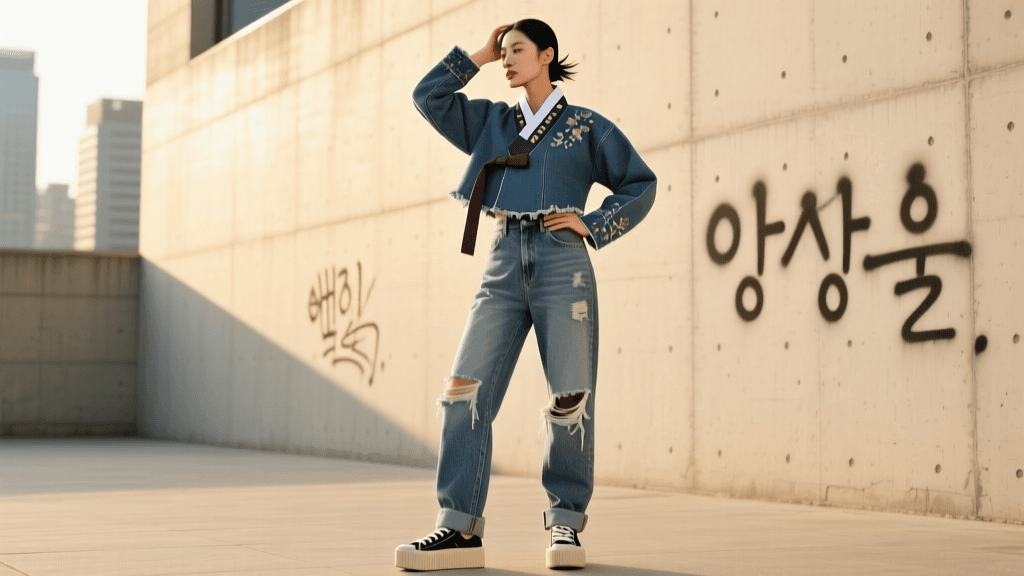
For the modern fashion enthusiast, the challenge and the joy lie in balancing the structural elegance of heritage garments with the utilitarian edge of contemporary streetwear. In 2026, the most celebrated iteration of this fusion is the pairing of the traditional jeogori (the upper garment of the hanbok) with heavyweight, wide-leg denim. This combination bridges centuries of craftsmanship with the rebellious, grounded energy of modern workwear, creating a silhouette that is both deeply respectful of its origins and radically forward-looking.
Deconstructing the Modern Jeogori
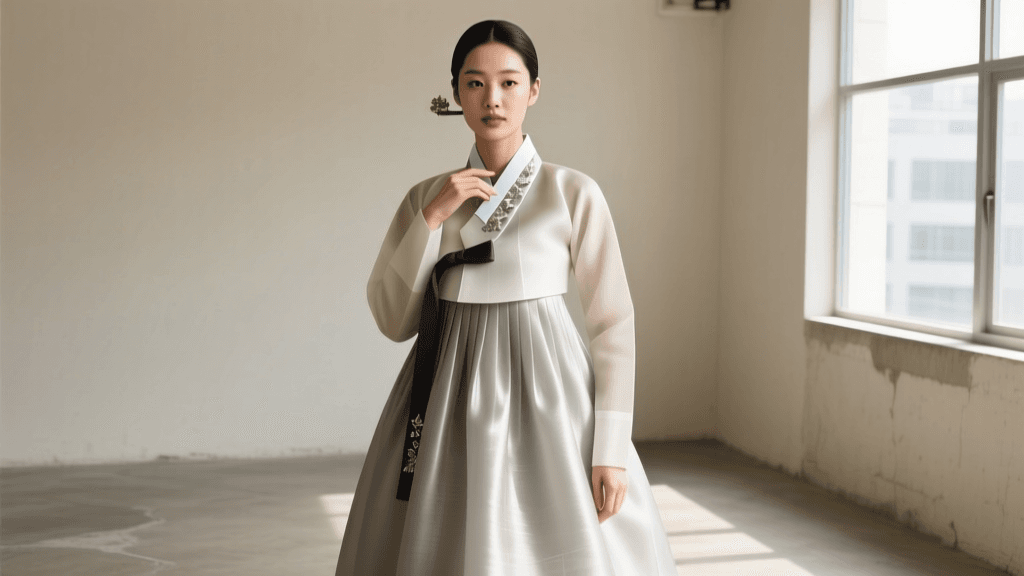
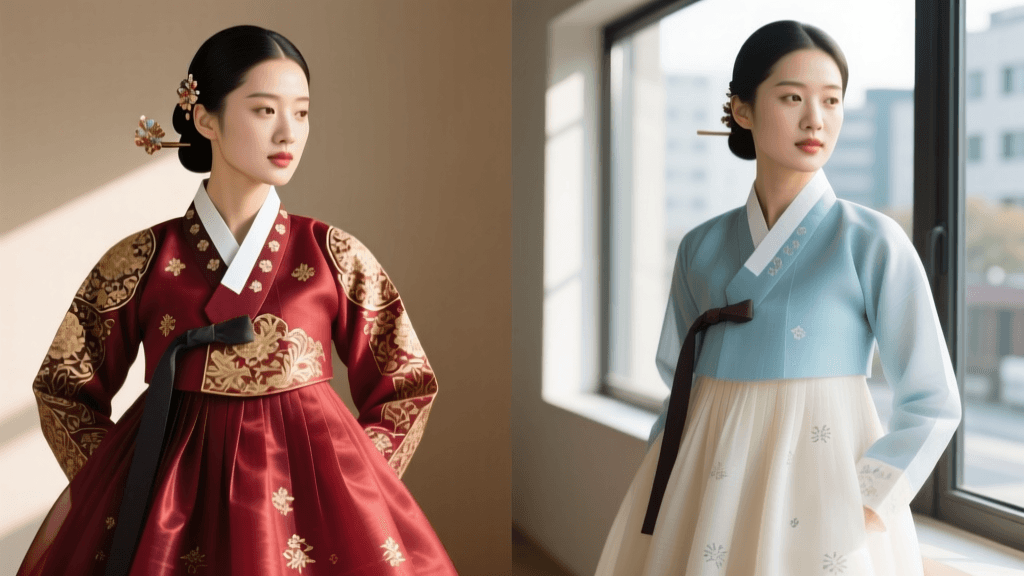
To successfully mix traditional Asian pieces with modern wardrobes, one must first understand the anatomy of the garments. The jeogori is characterized by its clean lines, lack of pockets, and distinctive structural elements. The git (collar) frames the neck, while the dongjeong (the white, removable paper or fabric collar trim) provides a stark, elegant contrast that draws the eye upward. The goreum (the long, flowing ties used to fasten the garment) serves as both a functional closure and a dramatic visual anchor.
In 2026 collections, the modern jeogori has been subtly re-engineered for streetwear. While the traditional silhouette was often cropped just below the bust to accommodate the high-waisted chima (skirt) or baji (trousers), contemporary urban adaptations often feature a slightly elongated hem that rests comfortably at the natural waist. Furthermore, the baerae (the curved sleeve line) has been softened. Designers are utilizing raglan-style shoulder seams and slightly narrowed cuffs to prevent the sleeves from catching on bags or interfering with the layered aesthetics of modern streetwear.
Fabric Innovations for Urban Wear
Historically, the hanbok was crafted from luxurious silks, delicate ramie, or warm cotton, materials that demand meticulous care. However, the 2026 streetwear ethos demands durability, drape, and ease of maintenance. Leading contemporary hanbok ateliers are now utilizing Tencel-lyocell blends, recycled polyester organza, and matte-finish cupro. These sustainable tech-fabrics mimic the luminous drape of traditional silk but offer the wrinkle-resistance and machine-washability required for daily urban commuting. When pairing these fluid, modern fabrics with the rigid, structured texture of raw selvedge denim, the resulting textural contrast is visually striking and highly tactile.
The 2026 Hanbok-Denim Styling Matrix
Styling a jeogori with denim requires a careful consideration of proportion, color theory, and occasion. The traditional Korean color palette, Obangsaek (comprising blue, red, yellow, white, and black), has been reinterpreted for 2026 to align with contemporary muted and digital tones. Below is a comprehensive styling matrix designed to help you integrate the jeogori into various facets of your modern wardrobe.
| Occasion | Jeogori Style & Fabric | Denim Pairing | Footwear | Outerwear / Layering |
|---|---|---|---|---|
| Creative Office | Mandarin-collar, matte cupro in slate grey | High-waisted, straight-leg dark wash denim | Polished leather Derby shoes | Unstructured oversized wool blazer |
| Gallery Opening | Cropped, sheer organza with digital lavender accents | Wide-leg, faded acid-wash carpenter denim | Chunky platform sneakers | Longline tailored trench coat |
| Weekend Market | Relaxed-fit, Tencel-blend in muted terracotta | Barrel-leg, raw indigo selvedge denim | Retro suede running shoes | Lightweight utility vest |
| Evening Social | Traditional silk with subtle metallic thread embroidery | Black, flared hem denim with subtle distressing | Pointed-toe ankle boots | Cropped leather moto jacket |
Step-by-Step Guide: Pairing Jeogori with Wide-Leg Denim
Executing this look flawlessly in 2026 requires a keen eye for proportion. The inherent volume of the traditional hanbok must be balanced against the heavy drape of modern denim. Follow these actionable steps to build your ensemble:
- Establish the Waistline: The most common mistake when mixing heritage tops with modern bottoms is misjudging the rise. If your jeogori is traditionally cropped, you must pair it with ultra-high-waisted denim to ensure no midriff is exposed when you raise your arms. The waistband of the denim should sit precisely where the jeogori hem naturally falls.
- Manage the Volume: Wide-leg and barrel-leg denim are dominating 2026 streetwear. Because these trousers carry significant visual weight in the lower half, choose a jeogori with a slightly relaxed fit through the torso to maintain harmony. Avoid skin-tight, heavily darted modern blouses masquerading as jeogori; the structural integrity of the garment relies on its architectural drape.
- Master the Goreum (Ties): The goreum is the focal point of the upper body. In a streetwear context, allow the longer ribbon to hang loose and asymmetrical, mimicking the trailing straps seen in avant-garde techwear. For a cleaner look, tie the goreum into a tight, compact traditional bow, and tuck the excess length into the waistband of your denim.
- Color Blocking: Embrace the 2026 trend of tonal dressing. Pair a deep indigo jeogori with similarly washed denim for a monochromatic look, using the white dongjeong (collar trim) as the sole contrasting element to frame your face and break up the color block.
Footwear and Accessory Crossovers
Footwear can make or break a heritage-streetwear hybrid. The traditional hwa (silk or leather boots) are rarely practical for modern city streets. Instead, opt for footwear that bridges the gap between eras. Chunky, lug-sole loafers or minimalist, retro-style sneakers provide the necessary groundedness to anchor the flowing lines of the jeogori and the wide hem of the denim.
Accessories offer a brilliant opportunity to introduce micro-doses of tradition. The norigae, a traditional decorative pendant historically tied to the goreum or waistband, has been reimagined in 2026 as a high-end bag charm or a belt-loop accent. Look for modern norigae crafted from brushed brass, oxidized silver, or woven paracord rather than traditional silk and jade, ensuring the piece feels cohesive with heavy denim and leather accessories. Similarly, the binyeo (traditional hairpin) is increasingly being utilized by avant-garde stylists as a lapel pin or a scarf fastener, adding a subtle, intellectual nod to Korean heritage.
Caring for Mixed-Material Ensembles
Mixing traditional Asian garments with modern streetwear introduces unique laundry and storage challenges, particularly when dealing with the intersection of delicate heritage fabrics and raw, bleeding dyes.
- Preventing Dye Transfer: Raw selvedge denim is notorious for indigo bleed. Never store a raw denim garment draped over or in direct contact with a silk or cupro jeogori. The indigo will permanently stain the delicate fibers and the pristine white dongjeong.
- Washing Protocols: While 2026 tech-fabrics like Tencel are machine washable, the structural elements of the jeogori (such as the stiffened git collar) can warp in a spin cycle. Always wash modern jeogori in a mesh laundry bag on a delicate, cold-water cycle, and air dry flat to preserve the curved baerae sleeve shape.
- Collar Maintenance: The dongjeong acts as a protector for the main collar, absorbing skin oils and makeup. Modern iterations are often made of stiffened cotton or removable synthetic strips. Keep a supply of replacement dongjeong strips, or carefully hand-wash and iron the existing ones with heavy starch to maintain the sharp, clean line that defines the garment's silhouette.
Sourcing Authentic Modern Hanbok in 2026
As the global appetite for culturally rich fashion grows, sourcing authentic, high-quality modern hanbok has become more accessible, though it requires a discerning eye to avoid mass-produced, culturally diluted costumes. The global appreciation for these garments is heavily supported by institutions dedicated to preserving and promoting Korean heritage. According to the Korea Foundation's global cultural initiatives, the export and international exhibition of contemporary Korean design have surged, making authentic pieces available far beyond the borders of Seoul.
For those seeking museum-quality inspiration and historical context to inform their styling choices, the Victoria and Albert Museum's Asian textile archives remain an invaluable resource. Understanding the historical drape, color significance, and construction techniques documented in such prestigious archives allows modern consumers to evaluate contemporary adaptations with a critical, educated perspective.
When shopping in 2026, look for ateliers that practice transparent sourcing and collaborate directly with traditional artisans. Brands operating out of Seoul's Bukchon Hanok Village district, as well as specialized global online boutiques focusing on Asian heritage wear, are your best sources. Prioritize garments that maintain the flat-pattern cutting techniques of the traditional hanbok—where the fabric is cut in straight lines and curves without complex Western-style darts—as this is the true hallmark of the garment's unique, architectural beauty. By investing in authentic, thoughtfully modernized pieces, you ensure that your streetwear ensemble is not just a passing trend, but a meaningful participation in the ongoing evolution of Asian sartorial traditions.